
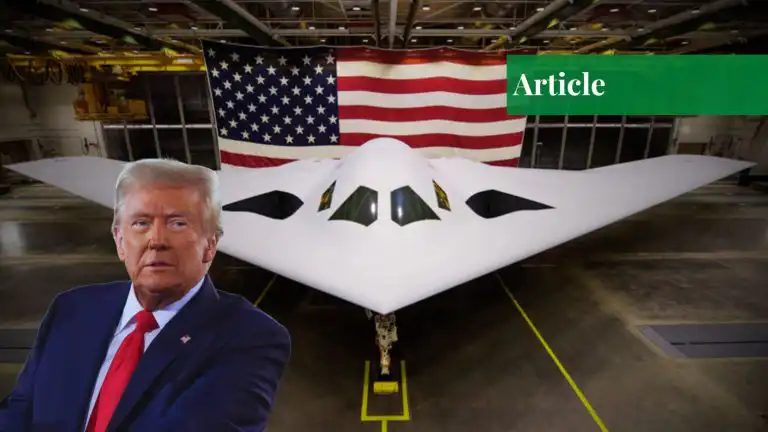

The Legacy of US Air Power
For almost a century, one of the US military’s strengths has been its air power. It has built some excellent fighter jets, but it has always had some of the best bombers in the world. The US used thousands of bombers to pummel Nazi Germany before invading, then used them again against Communist forces in Korea and Vietnam. During the Cold War, the US and the Soviet Union both kept large bomber fleets ready in case war broke out between them, but the US kept improving its bombers because the Soviet Union kept building better air defenses. Air defenses are radars and sensors that detect and track planes, guided missiles, and fast fighter jets that can shoot them down.
The Evolution of US Bombers
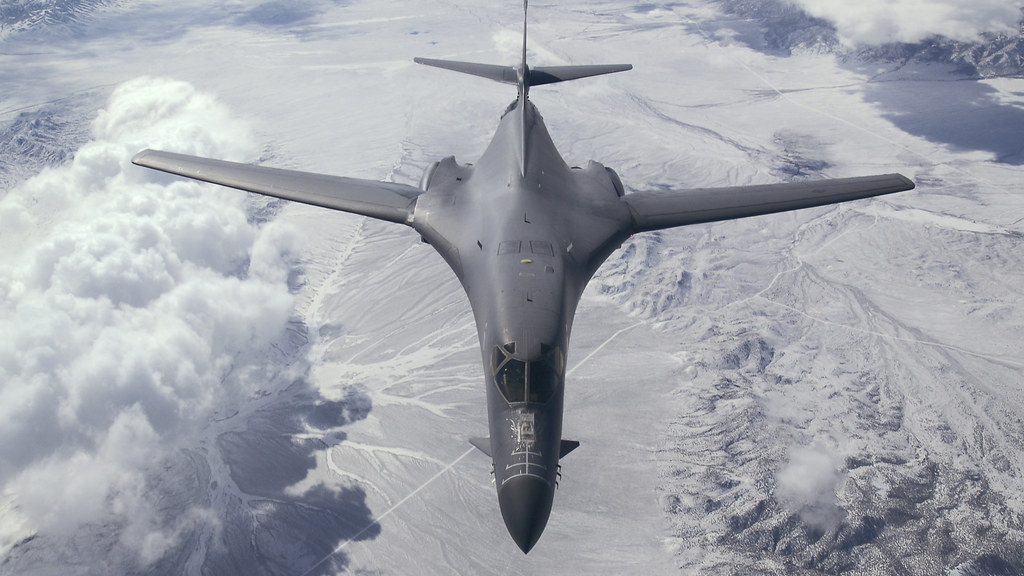
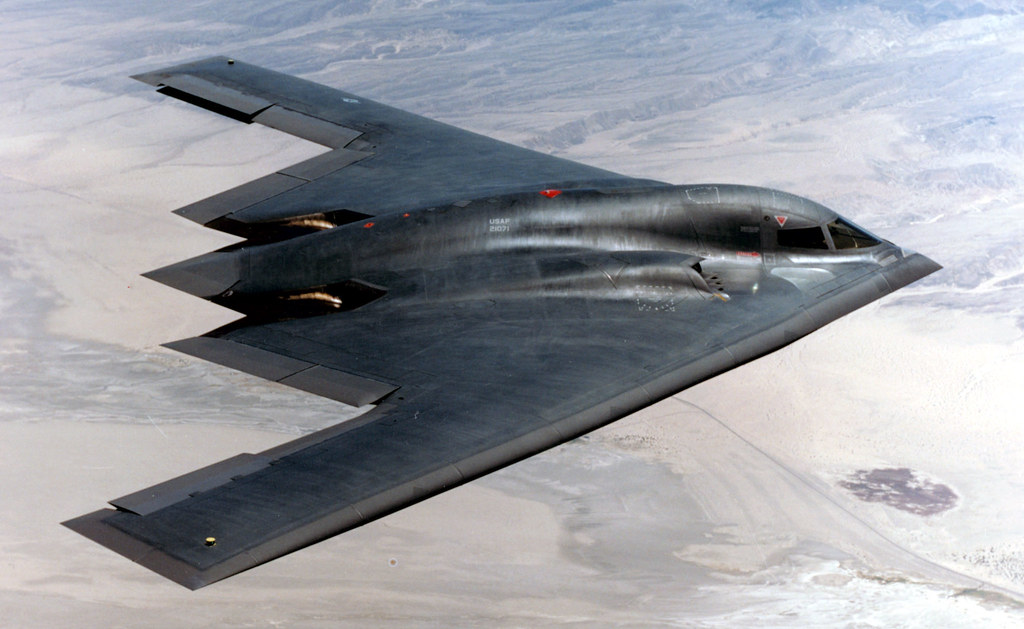
This cat-and-mouse game is how the US ended up with three types of bombers that it uses today: The B-52H Stratofortress, which the US has been using since the 1950s, the B-1 Lancer from the 1980s, and the B-2 Spirit from the 1990s. Each can travel very long distances to bomb a target, but is limited by what kind of air defenses they encounter.
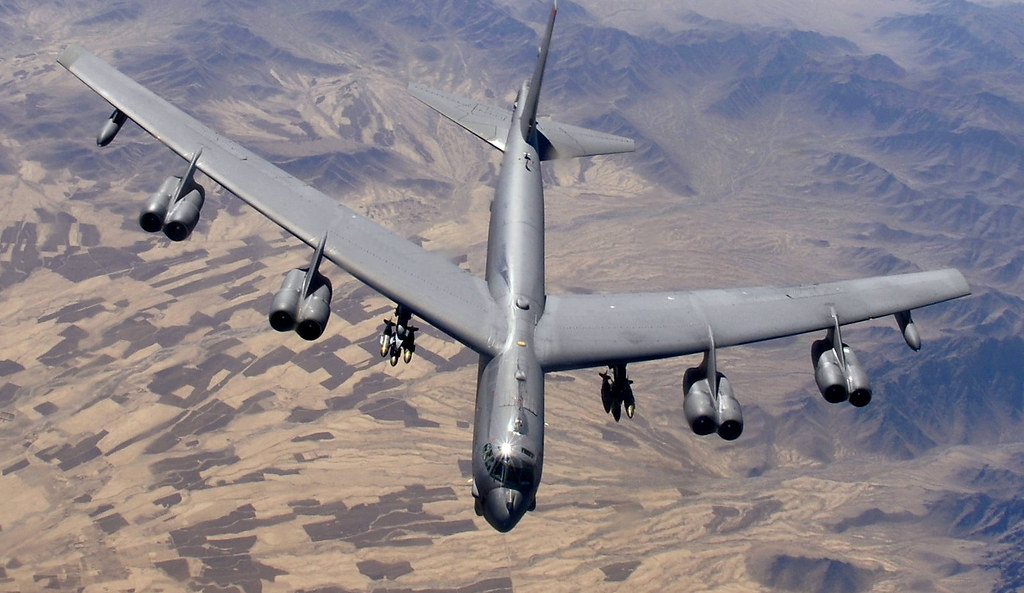
If there are not any, then the US can use the Stratofortresses, which are huge but easily detectable. If there are older or not very sophisticated air defenses, the US can use the B-1 Lancers, which can evade some radars by flying at low altitudes and up to 900 mph. But if there are modern advanced air defenses, the US uses the B-2 Spirit, the world’s only stealth bomber.
Stealth Capabilities and Strategic Importance
Stealth basically means that radars have a very hard time detecting it. The B-2 Spirit’s shape and coating absorb and deflect radar waves, so it appears smaller on radar than it actually is. According to US Air Force technical descriptions of the aircraft’s radar cross-section and stealth design, it has a 172 ft-long wingspan, designed with an extremely low radar cross-section. The B-2 Spirits also have electronics that jam and obscure sensors and even a technology that hides the heat its engine emits from infrared sensors, as outlined in publicly released US Air Force and defense contractor briefings on the bomber’s electronic warfare systems. So, if sensors cannot really detect the spirit, then the opposition radars cannot really shoot it down. Therefore, it can theoretically get into any country and drop a bomb on anything. Just having that ability is a major way in which the US protects itself.
Strategic Doctrine and the Need for Advanced Bombers
The point here is that the US believes that in order to defend itself, it needs the ability to drop a bomb anywhere on Earth, a principle long reflected in US strategic air power doctrine and defense planning documents. Countries are going to build better and better defenses, and the US is going to have to build better and better, and I mean stealthier, planes in order to penetrate those defenses. If a country ever builds defenses that the US cannot penetrate, the US considers that a national security threat.
The B-21 Raider
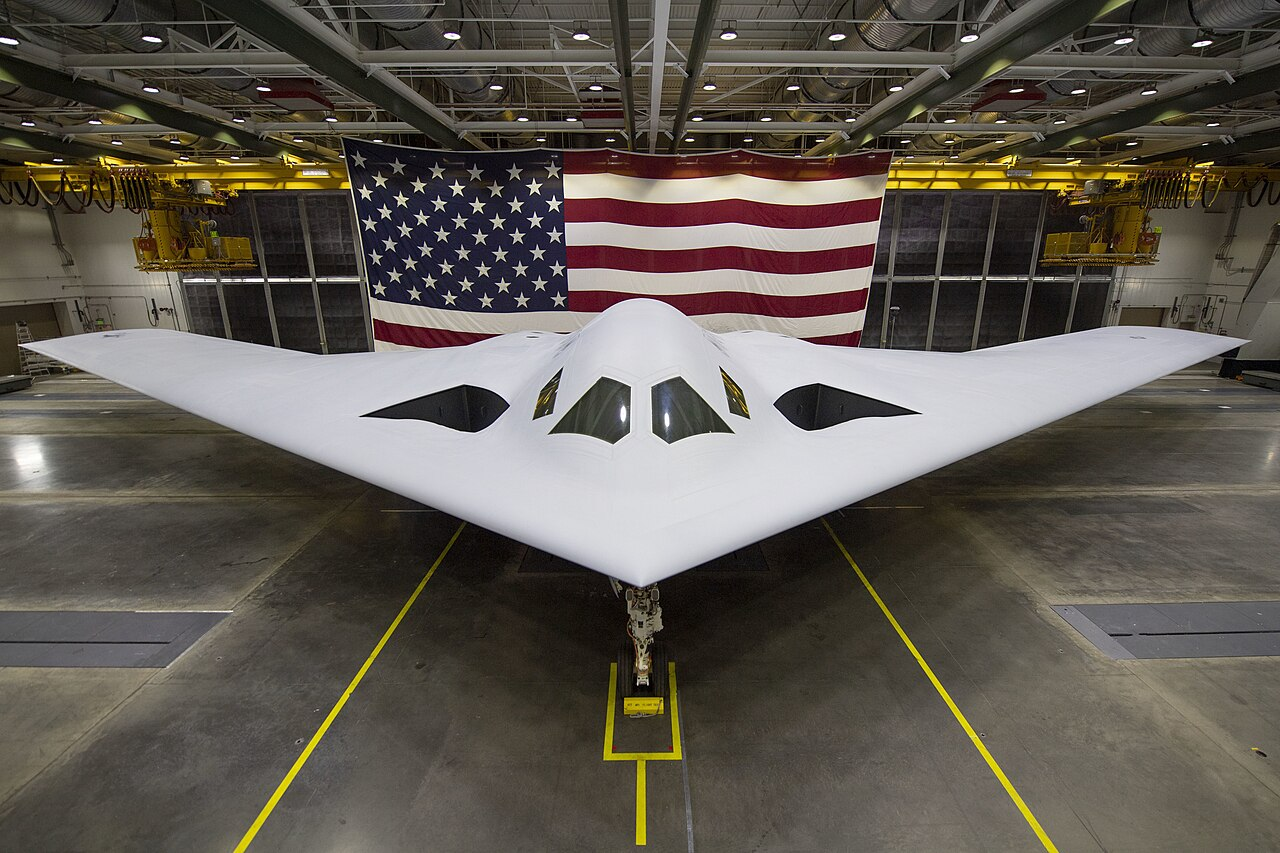
In November 2023, a mysterious airplane took flight for the first time from the surface of the earth, and it did not look like a normal plane because it was not normal. Its distinctive wing shape, sleek profile, and almost everything else are designed for one purpose: to fly silently into any country on Earth, remain undetectable by any radar or sensors, and drop a bomb. It is called the B-21 Raider, and the United States government is willing to pay around $700 million for one of them, the same price as building a skyscraper. It is one of the most expensive planes the US has ever made. It is no surprise that its expectations are high.
Nuclear Deterrence and Strategic Flexibility
The US maintains three ways it can launch a nuclear weapon: bomber aircraft, land-based missiles, and submarine-based missiles. If an enemy destroys two of these, the US will always have a third to strike back with. But having nuclear-capable bombers is particularly important to the US. Theoretically, the US deterrence depends on having bombers that can evade the best air defenses and enough of them to survive a major attack.
Fleet Aging and the Need for Replacement
The problem is that the US only has 19 B-2 Spirits left. In fact, the US has reduced its bomber fleet by 2/3 since 1990, and the planes that it still has are in pretty rough shape. The 19 B-2 Spirits and 62 B-1 Lancers are getting old and have become expensive to maintain. The US believes that it needs another bomber aircraft to replace them, which is more advanced and easier to operate.
Design Innovations of the B-21 Raider
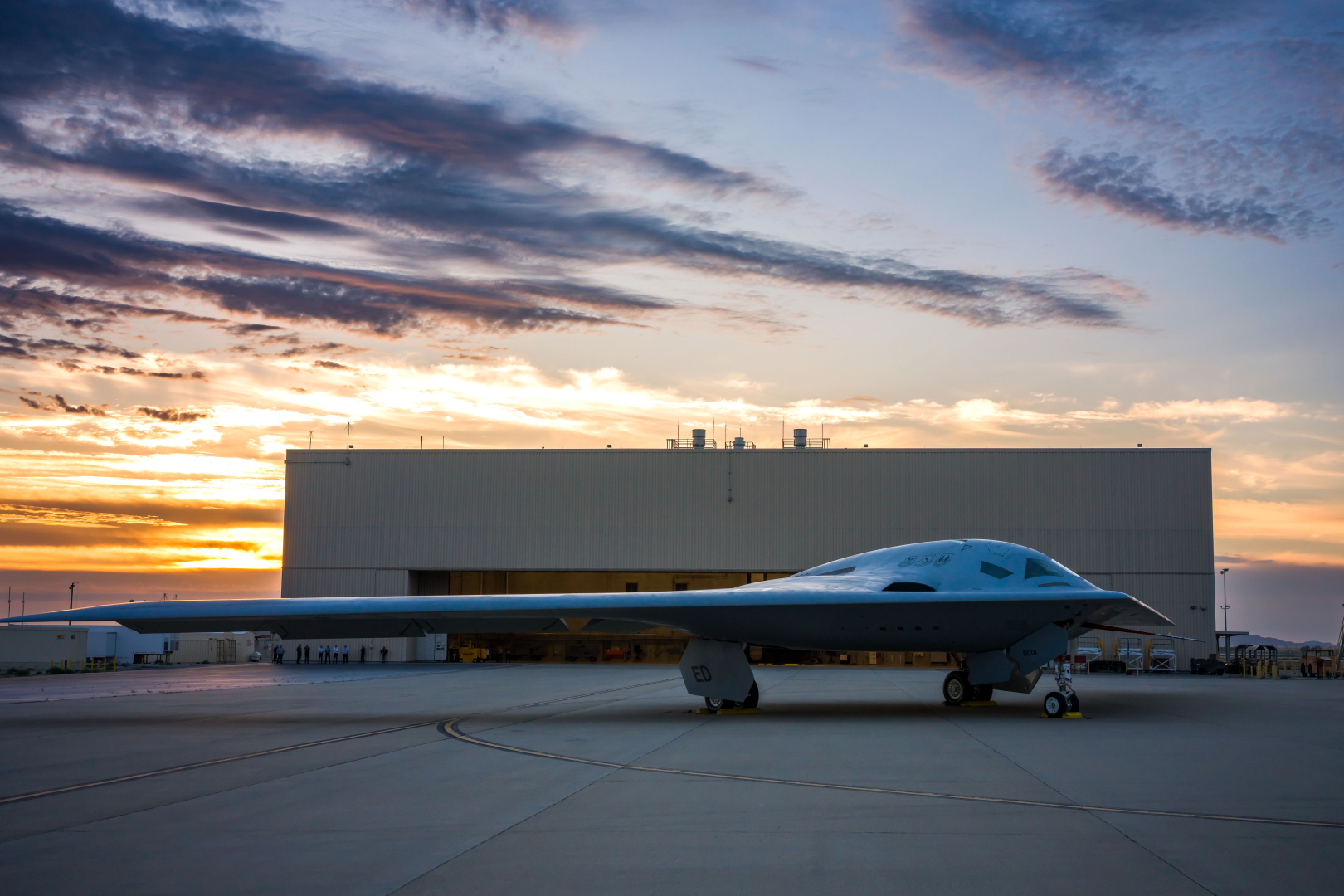
Their solution is the B-21 Raider. Despite limited information about it, the Raider is clearly inspired by the Spirit’s design with some improvements. Its tail shape will likely help it fly more efficiently at high altitudes than the Spirit’s tail shape. Its engine intake valves are lower, giving it a sleeker profile, which will help it deflect radar better. The US Air Force has stated that the B‑21 Raider will have an exceptionally low radar cross section, reducing how detectable it is to advanced radar systems.
Also, the defense company building the Raider claims that it will one day be able to be flown remotely like a drone. The US is keeping the Stratofortress to use against undefended targets. But by replacing the Lancers and the Spirits with the Raiders, the US is hoping to maintain the ability to bomb anything in the world.
Geopolitical Drivers: China’s Military Modernization
One country builds even better defenses than the US’s expectations. Since the 1990s, China has poured hundreds of billions of dollars into improving its military, according to the US Department of Defense’s Military and Security Developments. Involving the People’s Republic of China report. It has also been threatening to one day use it to invade Taiwan. But since the US has promised to defend Taiwan, China has built some of the world’s best air defenses.
If a war broke out, China could use thousands of ballistic missiles to destroy US bases in the region, forcing the US to rely heavily on its bombers, which can take off from the US mainland. But China could then use its very advanced radars to detect and then help destroy any non-stealthy bombers, leaving the US with only its B-2 Spirits to take them out. Since many of China’s defenses are mounted on vehicles, the B-2 Spirits would need to fly around for hours searching for them. A task that might be hard for the US to accomplish with only 19 planes.
Purpose and Procurement of the B-21 Raider
The US has designed the B-21 Raider with this exact scenario in mind. Its longer range and advanced stealth are reportedly suited to evade and destroy China’s best defenses. In order to have enough of them, the US plans to purchase 100 of these B-21 Raiders to start. At roughly $700 million each, these planes will cost the US at least $23 billion over the next 30 years (estimating the $700 million valuation).
Risks, Costs, and the Death Spiral Phenomenon
By building a plane that China cannot detect, the US is hoping to deter it from even starting a war. But today, the B-21 Raider is still only in the testing phase. So, how sure are we that it is going to work? Like what happened to the B-2 Spirits. Once built, the special coating invented to absorb radar turned out not to work in heavy rain. Fixing it requires hours of extra maintenance for the US military, causing the cost of each Spirit to rise out of control. A phenomenon ominously called the Death Spiral.
That is how, back in the 90s, the US went from ordering 132 B-2 Spirits to receiving just 21 for $2 billion each. More recently, a new stealth fighter jet, the F-35, flirted with the Death Spiral after many technical problems led to years of delays and billions in cost overruns. So far, reports claim that the B-21 program is on schedule and roughly on budget. But even if the US does everything right, the B-21 could still fall short if its enemies develop even better radar that can detect it.
In that case, the Raider’s internal electronics that help it evade sensors are reportedly being designed to allow constant upgrades so it will be able to keep up and remain stealthy for decades. Despite these risks, the US is moving forward and spending billions on what it believes is the plane it needs for the future.
If you want to submit your articles and/or research papers, please visit the Submissions page.
To stay updated with the latest jobs, CSS news, internships, scholarships, and current affairs articles, join our Community Forum!
The views and opinions expressed in this article/paper are the author’s own and do not necessarily reflect the editorial position of Paradigm Shift.

Gul Muhammad is an aspiring researcher, a content creator, and a recent graduate in political science from the University of Balochistan, Quetta. He focuses on geopolitics, international security, defence strategy, and technology-driven warfare, with a particular interest in great-power competition and strategic transformation. He also runs an independent platform producing analytical content on global affairs, history, science, and social issues, and is preparing for advanced studies in international relations and public policy.