
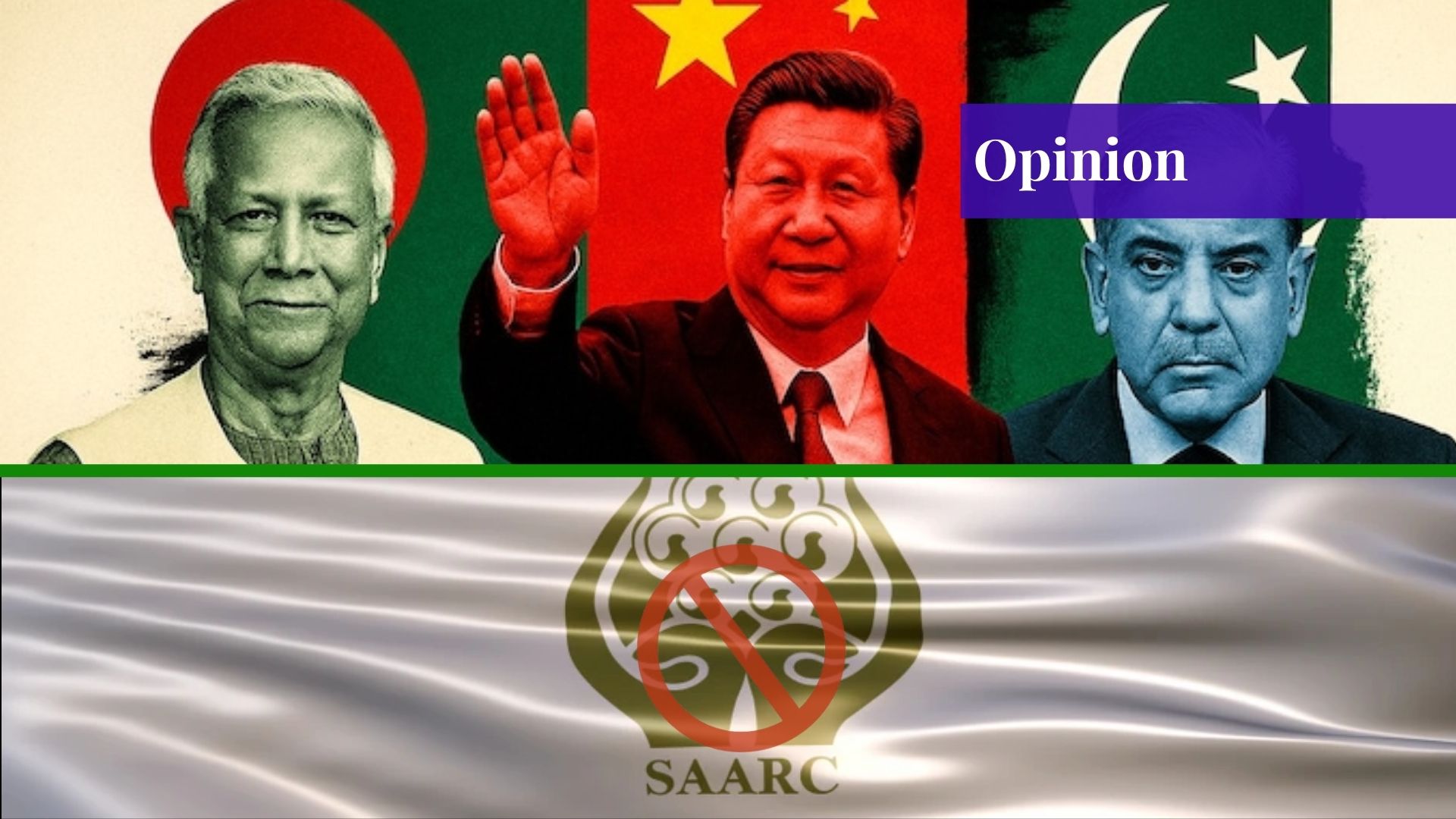

The Rise of a New Pakistan–China–Bangladesh Bloc
A quiet revolution is underway. Pakistan, China, and Bangladesh just held a trilateral meeting in Kunming, and what started as a sideline discussion may be the first real step toward a new regional bloc in South Asia. Diplomats from Islamabad, Dhaka, and Beijing came together during the South Asia Expo to launch what’s being called a trilateral diplomatic mechanism focused on closer trade, infrastructure, and climate cooperation. Now, whispers of a broader structure, one that might eventually rival SAARC, are gaining traction.
Why does this matter? South Asia has felt directionless since SAARC became moribund in 2016. India, once the undisputed regional anchor, has been watching as smaller nations look elsewhere. China filled that void through its Belt and Road investments, and Pakistan has leaned fully into projects like CPEC. But now, Bangladesh is stepping forward too, recently pivoting towards China and Pakistan amid shifting regional politics. This move adds legitimacy and scale to what could become a powerful triangle of influence.
Your average reader might call this “hedging” by Dhaka. It’s true, Bangladesh is keeping options open. But hedging is rarely passive. With each meeting, with each infrastructure plan, this trilateral group weaves tighter economic and strategic links. Rail connectivity, flood-warning networks, and power grids: what starts as a conversation can quickly turn into agreements that are hard to reverse.
For India, this is more than diplomatic theatre. Picture major rail routes bypassing Indian territory. Or a flood-control alliance that overrides New Delhi’s forecasting systems. And imagine if decisions were being made in Kunming, not Kathmandu or Colombo. The message is clear: South Asia may no longer orbit around India.
A Shift in Regional Power Dynamics
Critics say this bloc is more hype than substance. True, so far, it lacks formal treaties or defense clauses. But geopolitics moves in phases: talk, then projects, then institutions. And all it takes is one major infrastructure announcement to shift the balance of power. Just look at how rapidly CPEC went from plan to reality. Let’s talk specifics. If these countries collaborate on shared flood alerts or jointly manage cross-border water infrastructure, it may not grab headlines, but it builds real-world dependence.
Imagine central Bangladesh using data from upstream Pakistan rivers managed through China’s hydrological satellites. That’s a level of integration few expected. Once systems are in play, breaking them becomes unthinkable. Commercial ties follow. Cultural exchange follows. Suddenly, a political bloc exists, even without the label. India has a choice. It can double down on bilateral relations, or it can resurrect a more inclusive regional framework. That might mean rebooting SAARC or even launching a mini–South Asia Council focused on trade, connectivity, and climate.
Without that, India risks becoming a spectator as regional decision-making shifts eastward. Bangladesh is especially significant. It’s no longer a junior player. Its market is booming, its middle class is expanding, and its geopolitical weight is rising. Dhaka may have its own reasons, a mix of balancing China and India, attracting investment, or simply diversifying, but the result could be a heavyweight trio that shapes South Asia’s future.
Still, note the tensions. India is watching warily. The U.S. and Japan may see a new alignment, too. But it’s not yet an anti-India alliance; it’s an economic and environmental initiative. That’s why Bangladesh’s diplomatic language is careful, cautious, but curious. They call it “non-political cooperation.” That’s accurate for now.
The question now is whether this initiative will quietly fizzle out or evolve into something more substantial, like shared port access, harmonized customs protocols, or even a regional climate fund. What might appear today as symbolic diplomacy could well become the foundation of a new regional architecture. It’s tempting to dismiss all this as premature or overly complicated. But South Asian diplomacy has never been smooth or linear. History shows that even the most fragmented beginnings can lead to lasting shifts. Consider how quickly CPEC reshaped Pakistan’s economic outlook. We may be witnessing a similar turning point.
This moment also calls for India to respond, not with rhetoric, but with vision. SAARC, though stalled, could be revived in a different form. Alternatively, India could launch a practical, forward-looking regional platform that emphasizes real infrastructure development: cross-border rail links, energy corridors, or cooperative water management systems. Words won’t be enough because if it doesn’t, the region may pivot toward frameworks where China takes the lead, and Pakistan and Bangladesh emerge as equal stakeholders. And India, long the central power in South Asia, might be relegated to the sidelines.
What’s clear is this: the Pakistan–China–Bangladesh trilateral is no longer speculation. It’s unfolding. Whether it solidifies into lasting institutions or remains a fleeting alignment will depend on how the region, and especially India, chooses to respond. The future of South Asia isn’t being debated in traditional capitals anymore. The conversation has moved to places like Kunming. And it’s moving fast.
If you want to submit your articles and/or research papers, please visit the Submissions page.
To stay updated with the latest jobs, CSS news, internships, scholarships, and current affairs articles, join our Community Forum!
The views and opinions expressed in this article/paper are the author’s own and do not necessarily reflect the editorial position of Paradigm Shift.