

An improved recovery has been noticed in the aquatic biological resources of the Yangtze River. The Ministry of Agriculture and Rural Affairs, along with other relevant departments, issued a communiqué stating that the introduction of a ten-year fishing ban, implemented in 2021, has achieved significant progress. Along with the aquatic resources, the biodiversity of aquatic beings has also significantly improved in the Yangtze River.
Historical Background
The Yangtze River basin is considered to be the longest river, also known as the mother river, and the most prosperous economic area of China. It accounts for almost 40 percent of the GDP of China. Agriculture plays a key role in the economic development of China, approximately 24.6 million hectares of which are cultivated in the Yangtze River Basin. Although the political history of the country has been centered upon North China and the Huang He basin, the Yangtze area has always been of great importance to the dynasties because of its agricultural potential.
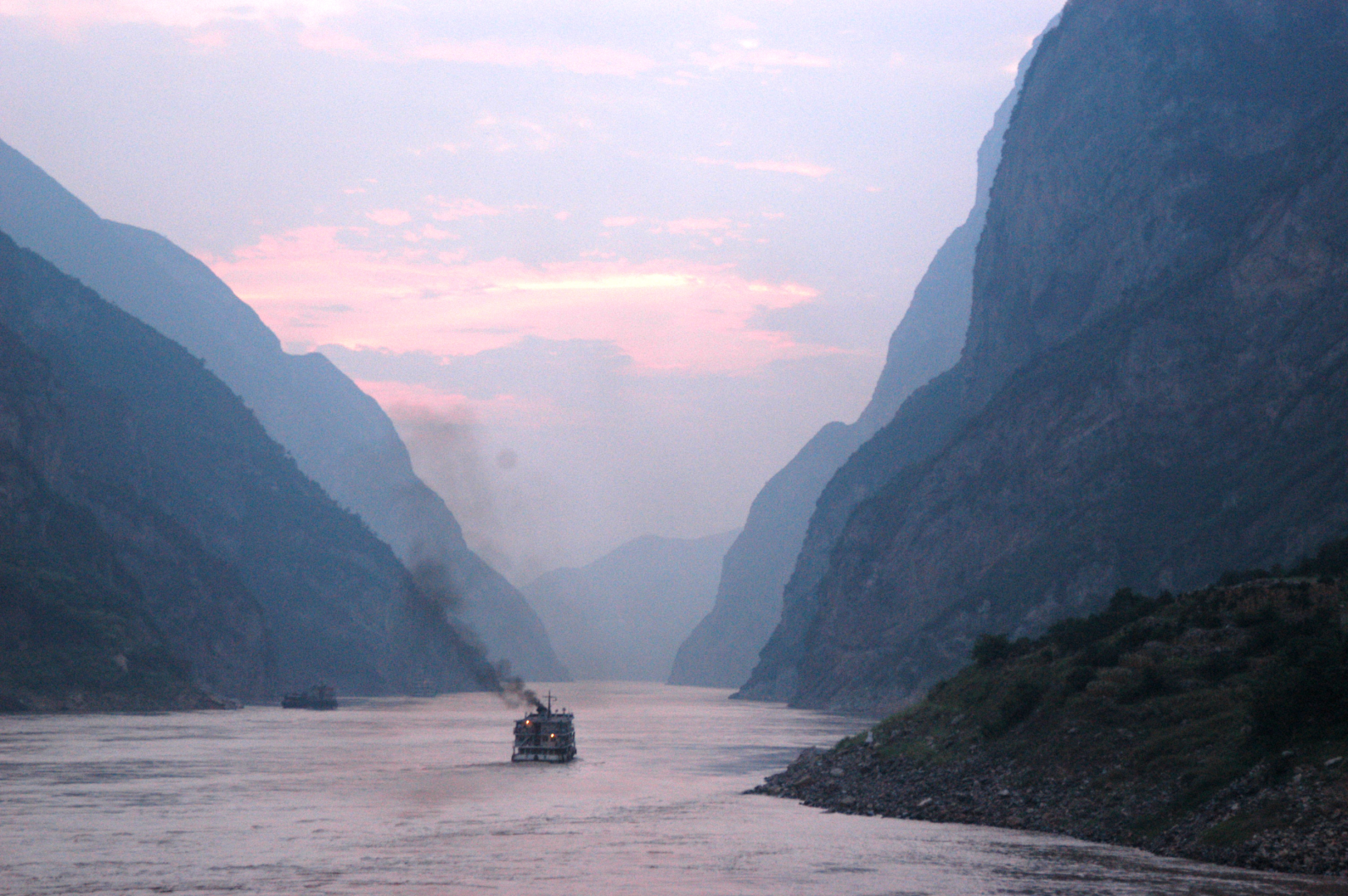
It has been serving as the cultural and political boundary in China for a long period. The river serves as the border between 10 regions of the country. Moreover, it has 8 tributaries. The left bank includes the Jialing, Min, Yalung, and Han rivers, while the right bank includes the Wu, Xiang, Yuan, and Gan rivers. The action plan to protect and restore the Yangtze River was formulated in order to implement the instructions of General Secretary XI Jinping in promoting the revival of the Yangtze River Protection Law and related policy planning.
Crisis of the Yangtze River
Decades of pollution and encroaching human developments left the Yangtze River and its tributaries depleted of aquatic life. An aquatic life researcher, Wang Hogzhu, has stated, “There are far fewer fish in the Yangtze as compared to the other rivers. Some tributaries that have been cut off from the main river by hydroelectric dams are devoid of fish.” So the question arises, what killed the river? The river has been trapped in a constant tug of war between conservation and economic interests. The economic belt that runs along the river is significant for 40 percent of China’s population. They have used it for various things such as large-scale shipping, hydroelectric power, and waste disposal. This made marine life difficult.
Apart from this, the construction along riverbanks and the hydropower facilities negatively impacted the natural habitats, such as the shrinkage, which has been intensified by water evaporation of lakes whose connection to the Yangtze has been disrupted by construction. Furthermore, the growing demand of the country for energy has exacerbated the construction of hydropower along the river’s course, leading to disruption in river flow. Furthermore, reservoir construction has created a large stretch of stagnant water spanning miles, making it impossible for the aquatic life to survive. Apart from pollution, sand mining and overfishing are also considered major obstacles to sustaining life in the Yangtze River.
Yangtze River Protection Law
China’s Yangtze River protection law is considered to be the first legislation that targeted the ecological protection of a specific river basin. This law achieved the dream of ecological civilization. The recommendations of this law covered nine chapters, such as general provisions, planning and management, resource conservation, water pollution prevention and control, ecological restoration, green development, safeguards and supervision, legal liabilities, and supplementary provisions.
Pakistan’s Water Crisis
Pakistan has been demonstrating a ruthless approach in controlling the natural resources, especially the fresh water sources. Sadly, Pakistan’s rivers have become heavily polluted, and our underground reserves—known as aquifers—are under intense strain. This is largely because farming practices rely on unregulated and excessive groundwater pumping for irrigation. Pakistan’s water crisis isn’t just the result of climate change; it’s also deeply rooted in outdated water management and an antiquated irrigation system.
Experts point out that while dwindling water supplies are a real challenge, it’s the inefficiencies within our system that have intensified the crisis. They argue that unless we overhaul our water infrastructure, enforce conservation, curb rampant groundwater depletion, and set up stronger regulations, we’ll continue to spiral toward severe shortages, even if climate conditions remain stable.
Pakistan can learn a lot from China’s efforts to revive its mother river. Firstly, in 2021, China enacted the YRPL, which banned fishing and the construction of industrial plants near the river, and heavy penalties were imposed for violating this law. Pakistan needs to enact such robust water protection laws in order to limit pollution and regulate industrial activities. Secondly, China took the robust action of shutting down and relocating the factories producing pollutants harmful to aquatic life.
In addition to this, they invested heavily in municipal wastewater treatment plants. Pakistan should also identify the major polluters and aim for mandating cleaner production along with the implementation of proper sewage treatment, specifically in the river-adjacent cities. Thirdly, China enforced inter-agency coordination among the provinces and established real-time water monitoring systems and World Bank-backed basin programs. Similarly, Pakistan should create a centralized Indus Basin body in order to manage water allocation, track pollution, and coordinate the actions between federal authorities and provinces.
Key Challenges in Implementing These Strategies
Pakistan may face certain hurdles in implementing the river revival strategies, such as
- Even though Pakistan has enacted water laws such as the National Water Policy and the Punjab Water Act, enforcement is still a serious issue that needs attention.
- Pakistan has a deficit in data and poor monitoring. Pakistan’s groundwater data is scarce, and the monitoring systems for the aquifers, canals, etc., are outdated and inconsistent, which has hampered the planning system.
- Pakistan also faces the issue of financial constraint and subsidy-driven pricing.
- Industrialists and influential landowners often influence policies or reforms that hinder the progress of water reservation initiatives.
Conclusion
The ongoing water crisis in Pakistan is a structural challenge that must be addressed quickly. Policymakers need to recognize this problem and implement effective strategies to improve water security in the country. Pakistan is considered one of the most water-stressed countries in the world, with declining per capita water availability. The nation faces a critical situation due to dry reservoirs, depleted groundwater levels, and the negative effects of climate change. Pakistan could consider adopting strategies similar to those used by China to revive the Yangtze River to effectively address its water security issues.
If you want to submit your articles and/or research papers, please visit the Submissions page.
To stay updated with the latest jobs, CSS news, internships, scholarships, and current affairs articles, join our Community Forum!
The views and opinions expressed in this article/paper are the author’s own and do not necessarily reflect the editorial position of Paradigm Shift.

Areej Ajmal is a lecturer at the University of Lahore. She possesses a robust academic background in political science from Punjab University, Lahore. Her expertise encompasses democratization, global and gender politics.