
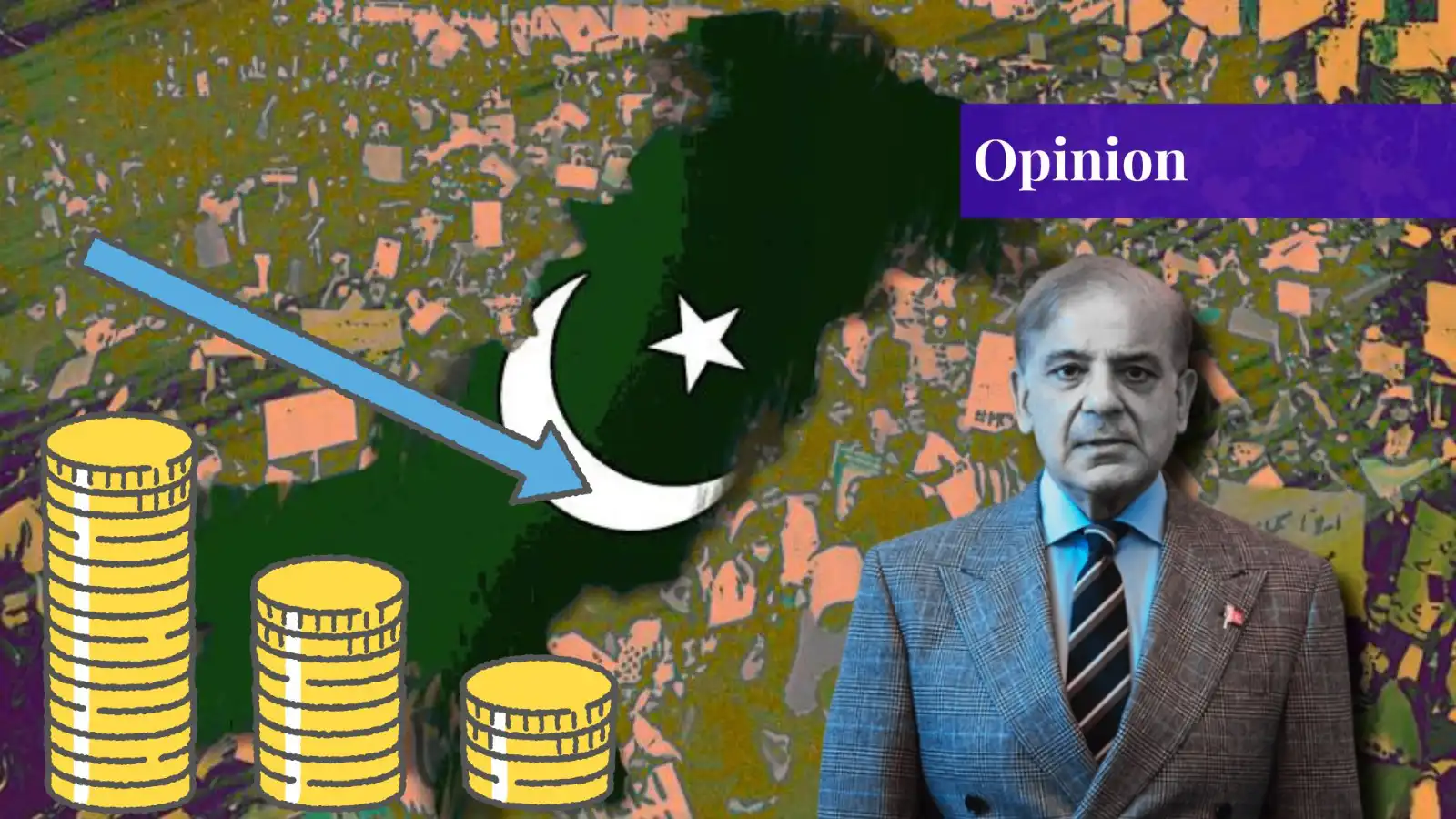

The economic ills are usually attributed to fiscal or macroeconomic failures in Pakistan. Yet there is more than the debt, inflation, and IMF cycles; there is a more fundamental problem, at a deeper level, Pakistan is losing talent at a rate even exceeding that of money. Bailout will not be a permanent solution until we address the human capital collapse.
Beyond the Balance Sheet Crisis
The headlines of Pakistan obsess over deficits, reserves, currency pressure, and IMF negotiations. However, those measures that are most relevant to long-term economic well-being, skills, innovation, productivity, and research capacity hardly get policy consideration. This is not a financial crisis of Pakistan, but rather the crisis of talent.
A slow-moving human capital disintegration is encountered in the country: mass brain drain, inappropriate education planning, insignificant investment in research, and low labor productivity. The lack of this talent is the strangulation of growth more than any disequilibrium of the purse.
The Silent Exodus: We Cannot Replace Losing Skills
The current migration of Pakistanis to other countries is among the largest migrations in the history of the country. Over 700,000 Pakistani nationals have gone to pursue work opportunities in foreign countries in 2023-24 alone, many of whom are highly skilled. Software engineers, doctors, data analysts, finance professionals, and technicians are not only quitting due to economic hardship but also due to the fact that the domestic opportunity sky has fallen.
It will not be able to easily recover lost talent. The loss is structural in that, when young, educated citizens leave at a rate that the system cannot replace them, productivity will drop, innovation will slow, and the institutions will weaken.
Mismatch in Skills: Degrees Without Jobs, Jobs Without Skills
Pakistan still generates graduates, but not viable talent. Colleges focus on rote memorization while the world economy is expecting digital literacy, problem-solving solving and technical excellence.
Employers are known to complain consistently of the fact that most graduates do not have the relevant skills in the industry. Such a discrepancy leads to high youth unemployment as well as low productivity of firms. Graduates are not getting into a skilled workforce; they are getting into a market where companies need to reeducate them, accept waste, or curtail growth.
Innovation Deficit: A Nation That Imbibes Ideas
Innovation today is the driver of growth in the form of new products, technologies, and solutions. Research and development in Pakistan ranks at the lowest level of less than 0.2-0.3 percent of GDP in the world.
The nations that surpassed Pakistan were Bangladesh, Vietnam, and Malaysia; these countries achieved that by investing a lot in science, industrial-academia partnership, technology parks, and incentives for research and development. Pakistan had done the reverse: the starvation of public research institutions, stagnation of university financing, and international insignificance of scientific results.
The result is predictable:
- Pakistan is an importer rather than a generator of ideas.
- Industries are stuck in low-value and labor-intensive production.
- Young entrepreneurs are not finding an ecosystem in which they can build their ambitions.
Any nation that does not focus on R&D opts to be dependent rather than to develop.
The Productivity Gap: Competing on Low-Cost Work, not Work Ability
The core issue of the stagnation of the Pakistani economy is a serious issue of low productivity. A laborer in Vietnam will yield nearly three times more than a counterpart in Pakistan. The Bangladeshi textile factories have far surpassed Pakistan in terms of skills, use of technology, and managerial effectiveness.
Pakistani companies fail due to:
- inadequate training of workers
- slow technological uptake
- below-average management practices as compared to world standards
- a big informal sector that does not allow modernization
This productivity gap directly translates into poor exports, poor wages, and failure to scale. Talent is something that Pakistan cannot afford to compete with in the international market, regardless of the favorable policies that it has made in terms of trade or the currency it uses.
To gain sustainable growth, Pakistan needs to consider human capital as its main development agenda. The reform agenda should focus on talents and should entail:
Designing the Domestic Opportunity to Slow Brain Drain: Develop new, high-growth industries in IT, engineering, financial services, green technologies, and lure companies with good career opportunities.
Reestablishing the Skills Pipeline: Transform the curriculum, revise instruction, enhance vocation, and develop industry-based councils.
Investment in Research, Technology, and Innovation: Increase investment in research and development, encourage innovation in the private sector, and enhance university-industry connections.
Turning Pakistan into an Innovation-Friendly Economy: Establish tech parks, enhance the ease of doing business, ease regulations, and venture capital and startups.
Directing Incentives to Productivity, not Patronage: Request companies to invest in acquiring skills and using a performance-based remuneration system in line with international benchmarks.
The Bottom Line: The Future of Pakistan
Another IMF program can be negotiated in Pakistan. It should be able to borrow, refinance, manipulate taxes, and stabilize in the short term. Nevertheless, no economy can develop without talent. A skilled, creative, productive workforce is the key to the prosperity of any country.
The economic crisis in Pakistan is not essentially concerning dollar shortages. It is the lack of skills, ideas, innovation, and opportunity. It is nothing other than a talent crisis.
Unless Pakistan is willing to invest in its people, with a sense of urgency and conviction, the cycle of economic stagnation will be more likely to occur, and each drop will be worse than the previous one.
If you want to submit your articles and/or research papers, please visit the Submissions page.
To stay updated with the latest jobs, CSS news, internships, scholarships, and current affairs articles, join our Community Forum!
The views and opinions expressed in this article/paper are the author’s own and do not necessarily reflect the editorial position of Paradigm Shift.

Dr. Ghulam Mohey-ud-din is an urban economist from Pakistan, currently based in the Middle East. He holds a PhD in economics and writes on urban economic development, macroeconomic policy, and strategic planning.