
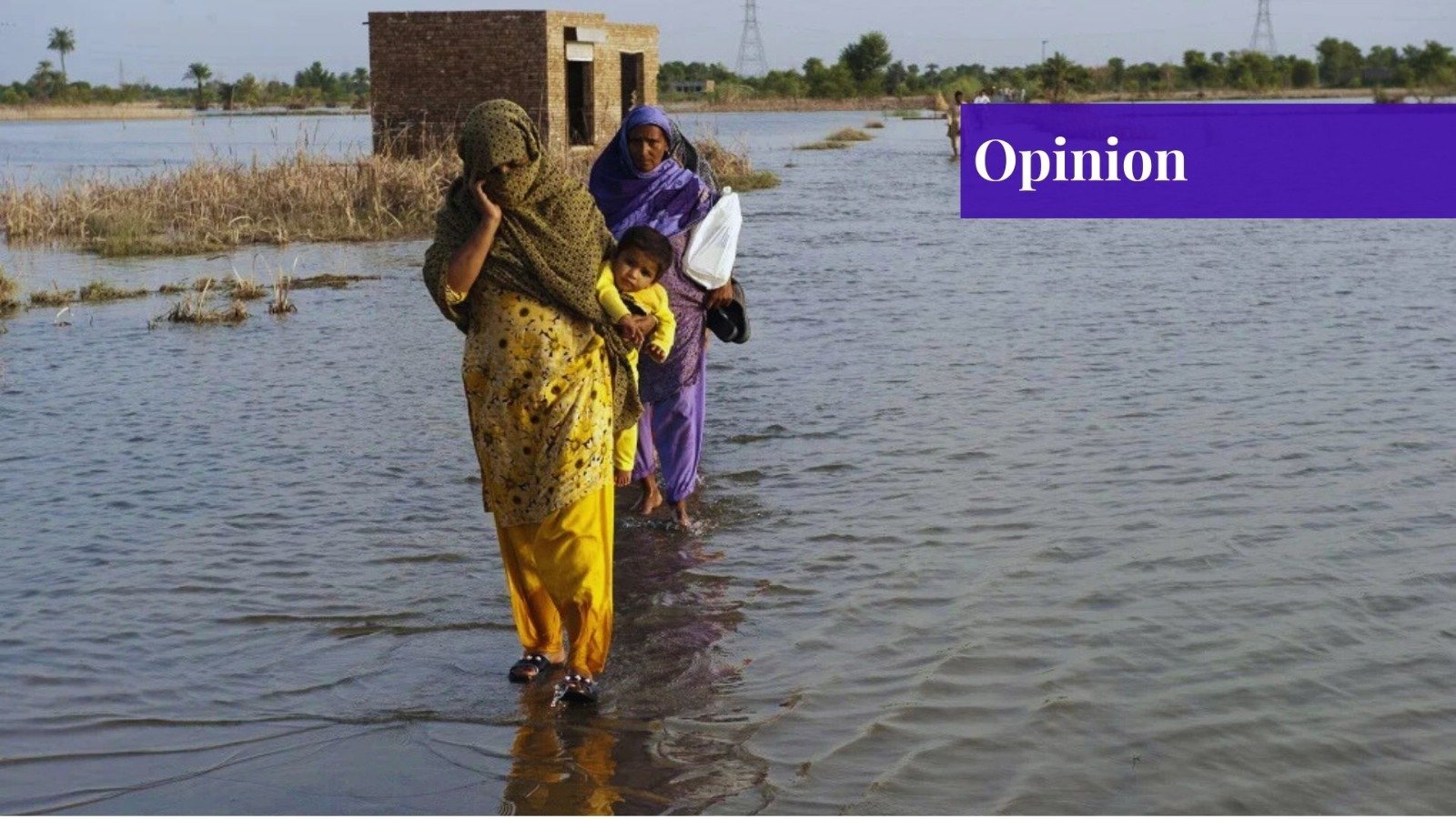

When we talk about climate change in Pakistan, we often picture melting glaciers, brutal heatwaves, or devastating floods—like the ones that drowned a third of the country in 2022. But there’s another, more human story within that crisis. It’s the story of how these environmental disasters don’t affect everyone equally. In Pakistan, the heaviest burden is often carried by its women and girls.
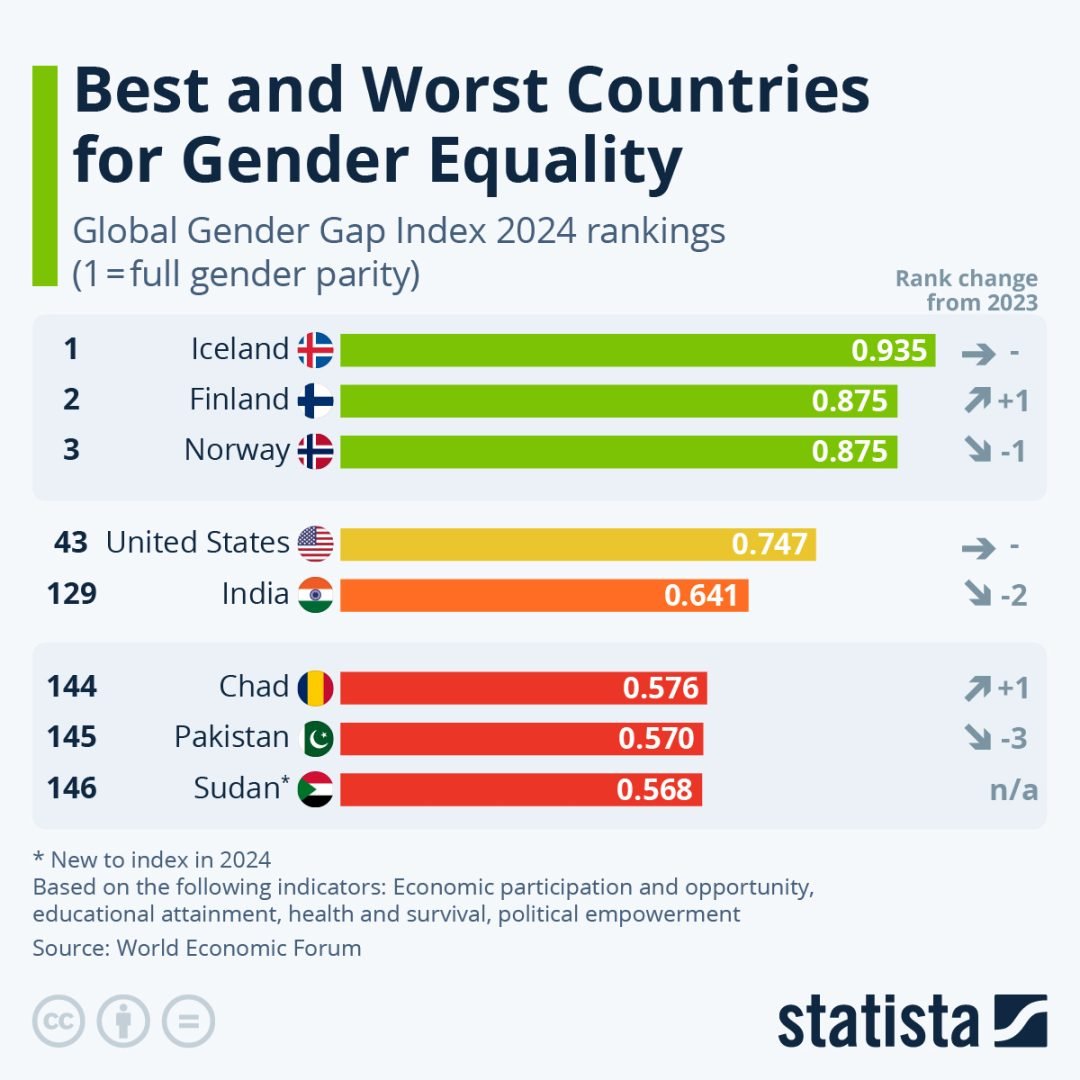
To understand why, we need to look at daily life, especially in the villages. Here, women are the quiet engine of farming. They sow seeds, tend crops, and care for animals. But what happens when the rains don’t come, or when floods wash everything away? Their world gets much harder. A mother might now spend five hours a day walking to find clean water instead of two. A daughter might be taken out of school to help carry that heavy load, her books swapped for a water pot. When a family’s farm is destroyed, and they must move to a city slum, it’s often the women who must stitch together a new life from nothing, in a place where they have no support.
This extra burden is rooted in the roles society expects them to fill. In countless homes, fetching water, cooking, and caring for the family is “women’s work.” Climate change turns this essential work into a constant struggle. The walk for water becomes longer and more dangerous. The search for firewood takes you further into barren areas. After a major flood, the simple lack of a safe, private toilet in a relief camp can become a source of fear and humiliation.
This fear is real. In the chaos that follows a disaster—in crowded camps or on dangerous journeys—the risk of harassment and violence against women spikes. Families, shattered by loss and poverty, sometimes feel they have no choice but to marry their young daughters early, hoping it will offer them safety and one less mouth to feed. It’s a heartbreaking decision made from desperation.
The health toll is silent but severe. A pregnant woman in a flood zone may have no way to reach a clinic for her check-up. She might drink dirty water because there is no alternative, risking disease. The stress of losing your home, worrying for your children, and carrying the weight of recovery is a heavy mental load, one that women often bear in silence, with little help available.
Perhaps the cruelest irony is this: even though women are on the front lines of climate change, they are rarely in the room when decisions are made. Men typically lead the village councils, plan the relief efforts, and design the policies. This means the solutions often miss what women need most—like ensuring aid packages include sanitary products, or that new water pumps are placed where women can safely reach them.
So, what’s the way forward? It starts with seeing women not just as victims, but as leaders who hold crucial knowledge. We need to ask them what their families and communities need. We need to ensure they have a direct say in how to rebuild, and the tools—like drought-resistant seeds or small loans—to do it. Protecting them during disasters must be a priority, with safe shelters and secure facilities. And above all, keeping girls in school gives them the knowledge and power to face a changing world.
In the end, Pakistan’s fight against gendered climate change is deeply tied to its fight for equality. You cannot build a resilient country if you leave half its people behind. By supporting its women, Pakistan isn’t just being fair—it’s building its strongest possible shield against the storms to come.
If you want to submit your articles and/or research papers, please visit the Submissions page.
To stay updated with the latest jobs, CSS news, internships, scholarships, and current affairs articles, join our Community Forum!
The views and opinions expressed in this article/paper are the author’s own and do not necessarily reflect the editorial position of Paradigm Shift.

Gender Specialist with a dedicated focus on climate resilience and social policy. I am currently serving as Assistant Director at the Prospective Policy Research Institute of Islamabad (PRII). I integrate gender analysis into national research and policy frameworks. My work is driven by the conviction that equitable and inclusive development is the cornerstone of a sustainable future for Pakistan.