

Introduction
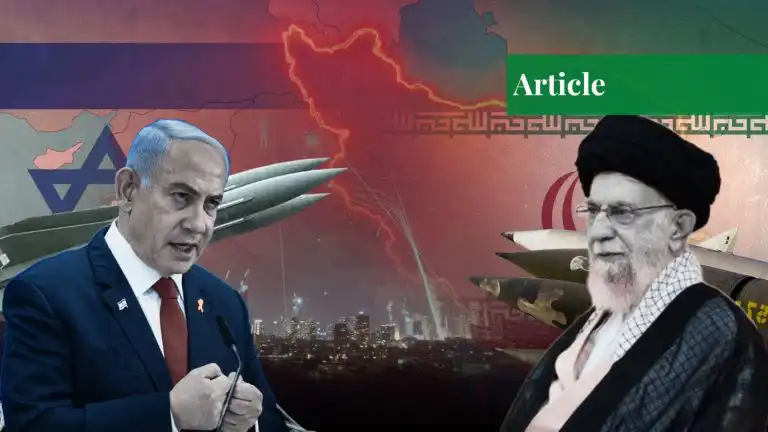
Competition between Israel and Iran is one of the most defining and unstable fault lines in Middle Eastern geopolitics. It has traditionally involved military strikes, proxy wars, and nuclear brinkmanship, with both states investing heavily in conventional and unconventional warfare capabilities. Recently, Israel has been revamping its conflict strategy against Iran. It no longer relies primarily on missiles and kinetic operations but instead turns to psychological operations and strategic communications. Contemporary wars, in this view, are fought less on battlefields and more in the minds of populations. This article critically analyzes Israel’s growing reliance on psychological operations against Iran. It examines the dynamics, intentions, and consequences of this strategic shift while situating Israel’s communication campaigns within the broader framework of information warfare.
Israel’s Strategic Reset
The military operations conducted by Israel, like targeted attacks on Iranian nuclear weapons development and intelligence facilities, have traditionally focused on deterrence and destruction. However, recent operations indicate that it has two-fold motives, not only to undermine the military strength of Iran but also to deliver symbolic messages to the people of Iran. As an illustration, the attack on the state broadcasters and internal security headquarters was meant to destabilize the regime, as its credibility would be undermined to derail the dissent.
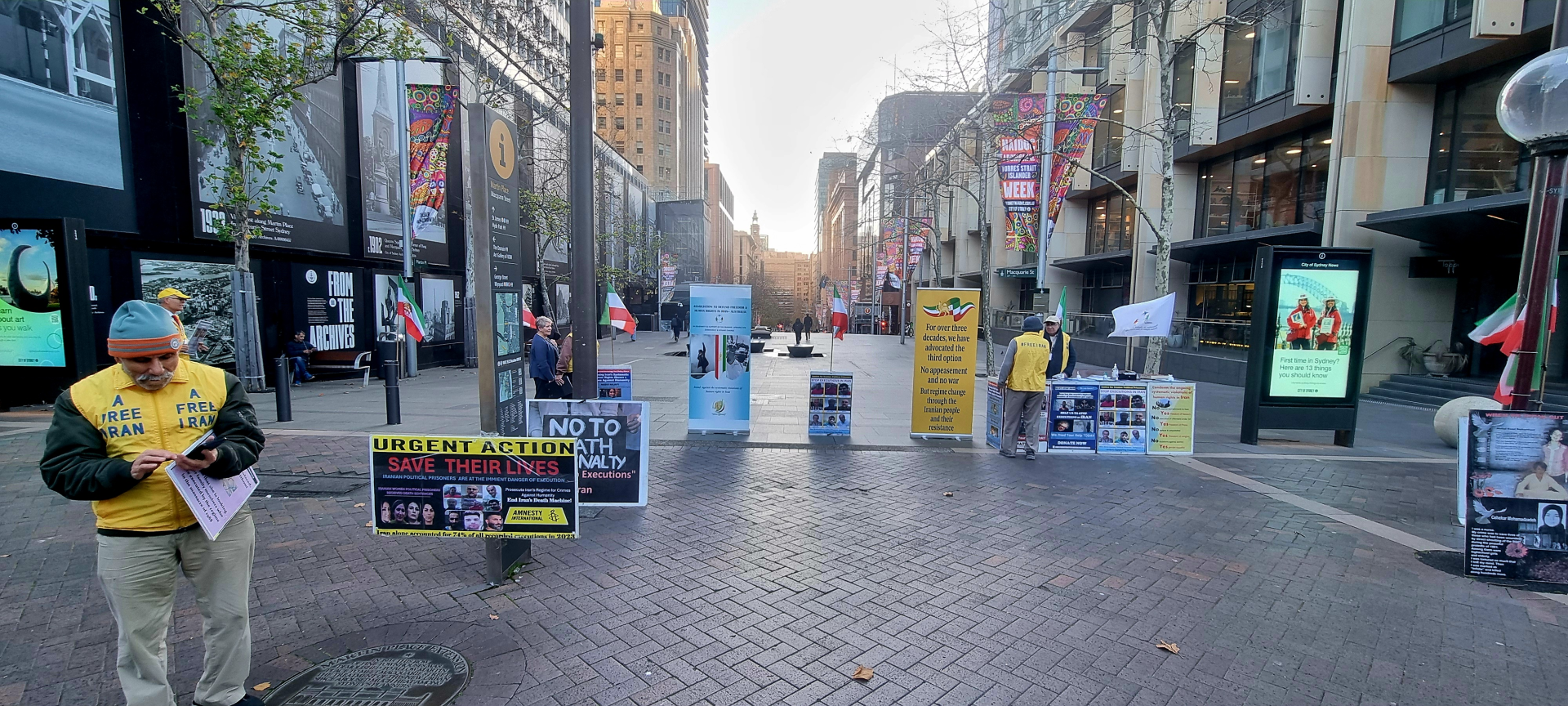
Israeli officials like Prime Minister Benjamin Netanyahu have openly indicated that 80% of the population of Iran would oppose their rule in an opportunity, an indicator that Israel intends to use the feeling of dissatisfaction among people. The strategic reset in Israel is evidence of a calculated shift from physical destruction to psychological disruption that Israel seeks to undermine the legitimacy of the Supreme Leader with the help of perception management.
Psychological Operations and Messaging
The key to the changing strategy in Israel is psychological operations (PSYOPS). The goal of such campaigns is to demoralize, create mistrust towards leadership, and promote opposition. Israel has been increasingly using information warfare, taking advantage of cyber applications, social media, and symbolic strikes in its direct communication with citizens of Iran. The messages frequently emphasize how corrupt the ruling elites in Iran are, and this contrasts with the plight of the common people in Iran. Redefining the war as a war between the people of Iran and the leaders of Iran, Israel is aimed at de-legitimizing the supreme leader from the inside and turning the conflict into a war of narratives.
Cyber and Digital Campaigns
Cyber operations have grown to be part of the psychological approach of Israel. After the intensification of Iranian cyberattacks in October 2024, Israel reacted and launched targeted digital campaigns, which increased opposition and resistance. Analysts at the Atlantic Council noted that cyber war actions during wartime indicated that Israel had mastered the use of low-level hacktivism and used it to exert pressure outside the battlefield. Such campaigns usually entail intrusion into Iranian government media, revealing regime secrets, and the use of social platforms to give a voice to those against the government. Cyber warfare, then, can be seen as the line of defense as well as the vanguard of defense, with benefits in toppling the Iranian regime with digital havoc and psychological impact.
Propaganda and Symbolic Strikes
The strike against Evin Prison had a strong psychological impact because it was a symbolic gesture. Getting a chance to attack locations related to the repression, Israel’s message reached out to the dissidents of Iran and strengthened its message of struggle against oppression. According to the analysts at the Carnegie Endowment, this type of propaganda rises to an entirely different level of global warfare due to the artificial intelligence-enhanced deception, and perception control has become as important as victory on the battlefield. These symbolic strikes confuse the boundary between military performance and psychological signaling and support the idea of Israel attacking targets of legitimacy, but not infrastructure.
Challenges and Contradictions
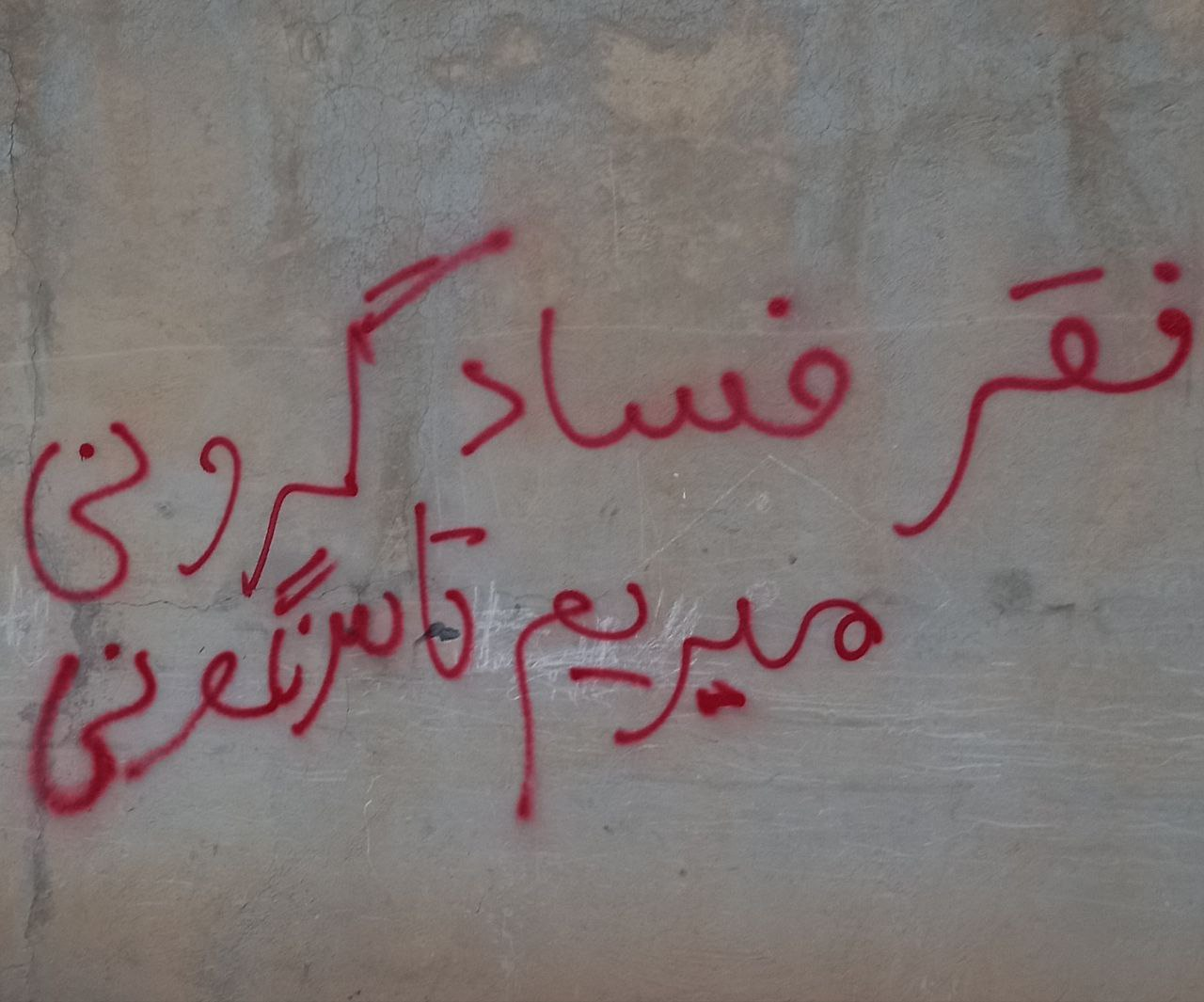
Despite this, Israel has structural problems. The Iranian regime is a hard one and has a strong institutional background, making it unlikely to change through outside aid. The power of the Iranian supreme leader is incorporated in religious, cultural, and institutional structures, which cannot be easily undone by foreign messages. In addition, the West’s and Israel’s rhetoric is inconsistent, showing a contradiction that at times suggests regime change and at others encourages caution. The psychological campaign used by Israel is strong, but it is trapped by the deep-rooted political system and global doubts about Iran, so it has fewer chances to succeed within a short period.
Broader Implications for Modern Warfare
Israel’s emphasis on psychological operations reflects a broader transformation in global conflict. Contemporary warfare is characterized by hybrid approaches that integrate the military, information campaigns, cyber, and symbolic actions. The confrontation between Israel and Iran provides an example of how states can cope with asymmetric problems using communication as a strategic goal. The transformation of missiles into messages depicts the future of war, with legitimacy and perception defining the outcomes.
Conclusion
Israel’s replacement of missiles with messages highlights a new phase in its struggle against Iran. The focus is now on questioning the legitimacy of the supreme leader and undermining the regime’s political strength. Instead of relying only on conventional warfare and deterrence, Israel seeks to influence the minds of the Iranian people. Psychological operations and strategic communication are gaining greater importance as tools to subdue the regime. This approach reflects a broader reality of the digital era: warfare is no longer limited to weapons. It also involves discourse, symbols, and the flow of information.
Yet, the success of such efforts remains debatable. Symbolic strikes, cyber campaigns, and propaganda have fueled dissent, but Iran’s political system has proven highly resistant. The supreme leader’s authority is deeply entrenched in religious, institutional, and cultural structures, making it difficult to undermine through outside messaging. For policymakers and scholars, the Israel and Iran conflict shows how nations adapt to asymmetric threats through communication. The shift from missiles to messages illustrates the future of conflict: psychological influence and strategic messaging will shape security and power in an interconnected world, even if regime change remains elusive.
If you want to submit your articles and/or research papers, please visit the Submissions page.
To stay updated with the latest jobs, CSS news, internships, scholarships, and current affairs articles, join our Community Forum!
The views and opinions expressed in this article/paper are the author’s own and do not necessarily reflect the editorial position of Paradigm Shift.

Manahil Tariq Manj is a student of defence and strategic studies at Quaid-i-Azam University, Islamabad. She has previously interned at the Ministry of Defence (MOD) and is currently interning at the Ministry of Foreign Affairs, Islamabad. Her research interests include conventional and hybrid warfare, strategic deterrence, military diplomacy, regional conflict dynamics, and evolving doctrines of modern warfare.