

The Madleen, named after Gaza’s first fisherwoman, Madleen Culab, was far more than just a humanitarian vessel. Laden with grain, infant formula, medical kits, crutches, and prosthetics, it carried not only essential supplies but also the weight of “global conscience,” as was remarked. Its mission was simple: deliver aid to a starving population under genocide. But its meaning was profound, as it challenged the normalized brutality of a blockade that has suffocated over two million people.
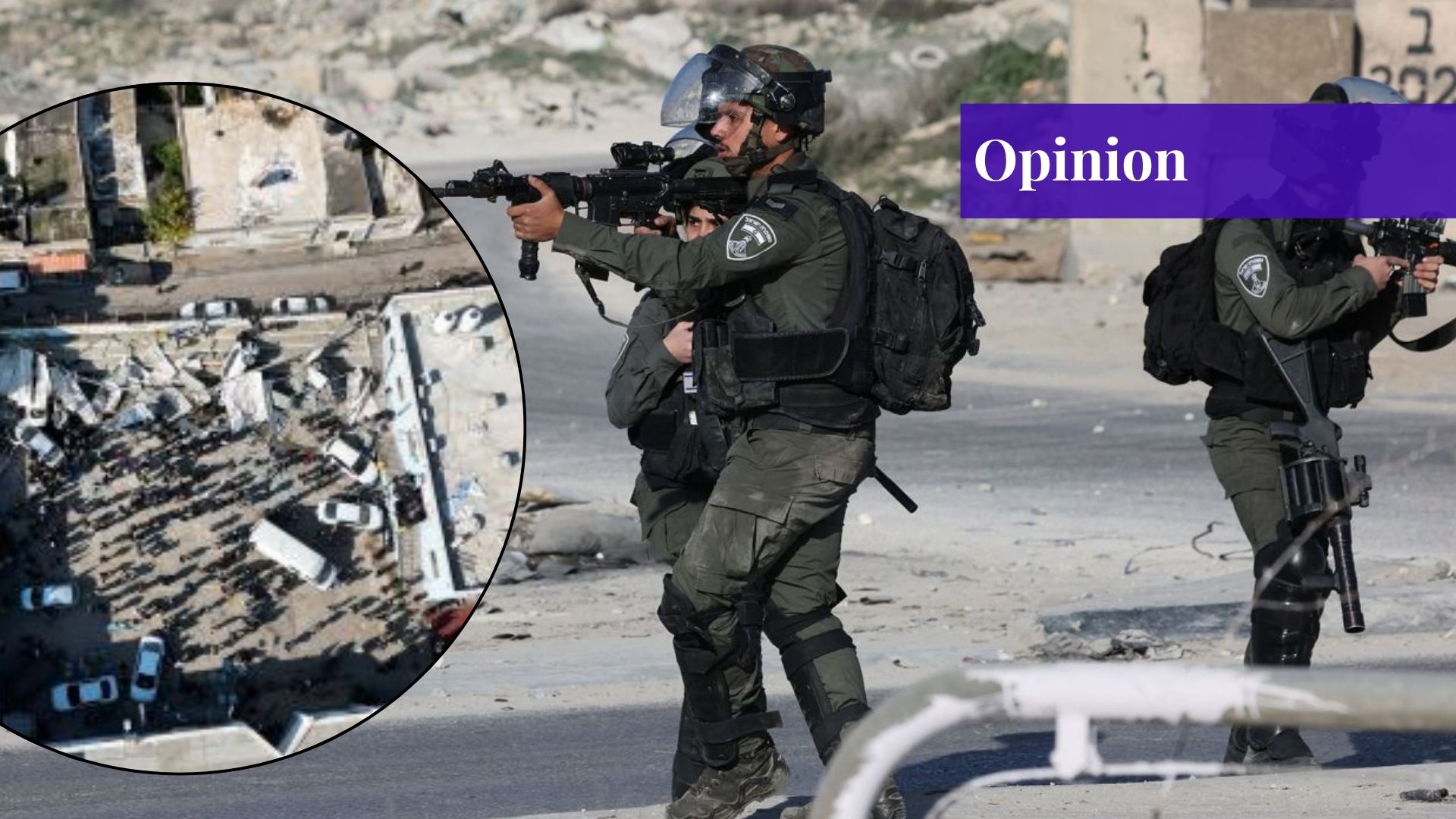
When Israeli forces stormed the Madleen at sea, deploying drones, electronic jammers, and tear gas, it wasn’t a neutral security operation but piracy. The ship, flying a British flag, operated under the legal protections of the United Nations Convention on the Law of the Sea (UNCLOS), which guarantees freedom of navigation and prohibits seizure except in specific criminal contexts. The San Remo Manual on International Law Applicable to Armed Conflicts at Sea (1994), similarly, permits humanitarian missions’ safe passage when they are verified to be unarmed and non-threatening. None of those applied. This was an unarmed humanitarian mission, but it was raided, and the crew was detained.
What likely prevented an even more tragic outcome was the presence of prominent figures on board—journalists, doctors, and international activists. Had she carried unfamiliar civilians or lesser-known activists, the situation could have ended in bloodshed. The visibility of those aboard may have acted as a form of protection, indicating that in today’s fractured world order, survival can depend not on justice or the basic human right to live, but on the privilege of recognition.
Israel attempted to justify the raid by invoking its naval blockade over Gaza, arguing that any breach posed a security threat. Yet legal scholars have long contested the legality of this blockade. Even in wartime, the law is clear: blockades must not result in the starvation of civilian populations. The San Remo Manual further stipulates that a blockade is prohibited if “the damage to the civilian population is, or may be expected to be, excessive in relation to the concrete and direct military advantage anticipated.” Humanitarian vessels must be permitted safe passage when they are not carrying contraband. The Madleen’s transparent mission and unarmed crew fulfilled all conditions for lawful transit.
In addition to the violation of maritime law, it was also a betrayal of the international legal architecture that governs war and peace. The Geneva Conventions prohibit collective punishment. The use of drones and chemical irritants against unarmed aid workers also breaks international maritime safety codes. Furthermore, the principles enshrined in the Hague and Geneva legal traditions are resonated in customary international law, which demands proportionality, humanity, and distinction in all military actions. These principles exist for a reason, which is to uphold the line between military necessity and moral catastrophe.
Yet, the state that carried out this operation faced little immediate accountability. The British government, as Madleen’s flag state, had a duty to intervene in order to protect its citizens and uphold its obligations. But its response was muted, drawing sharp rebuke from human rights experts who saw this as part of a larger pattern of Western silence.
Still, avenues for justice remain. Universal jurisdiction allows countries to prosecute war crimes and illegal acts committed anywhere in the world. Legal complaints have already been filed in some countries against the naval unit involved in the raid. These are not just symbolic steps but reminders that international law still holds potential, however fragile, to serve the cause of justice.
Media coverage, however, told a different story. Mainstream outlets chose terms like “boarding” and “interception,” words that sanitize the violence and erase the courage of those on board. These euphemisms serve to normalize aggression, suggesting neutrality when there is none. What the world witnessed was not a procedural naval inspection; it was the militarized hijacking of a humanitarian mission.
Meanwhile, Gaza’s catastrophe deepens. Over 90% of aid convoys to northern Gaza have been blocked or delayed. This is not a logistical failure but deliberate deprivation. Starvation is not a byproduct of war here but a weapon.
Amidst this reality, in Tunisia, Algeria, and Libya, over 1,500 volunteers comprising youth activists, doctors, lawyers, and journalists have mobilized through the “Soumoud” land convoy in a moral response to political failure. For them, land access remains fragmented and tightly controlled, stressing the urgency for a protected maritime corridor, an internationally monitored humanitarian route to provide necessary aid to Gaza.
When a civilian humanitarian vessel can be violently intercepted in international waters without consequence, it is not merely an isolated injustice; it underscores the systematic erosion of the international legal order, as starkly demonstrated by Israel’s repeated violations with impunity. Accountability must follow through legal action under universal jurisdiction, diplomatic pressure, and the invocation of frameworks like the Geneva Conventions, UNCLOS, and the San Remo Manual.
The Soumoud convoy represents the courage and solidarity of regional unity, but overland routes remain vulnerable to obstruction. It is now imperative to establish secure, internationally guaranteed maritime humanitarian corridors, monitored by neutral actors under the aforementioned frameworks, to ensure unrestricted delivery of aid to Gaza.
To defend the Madleen is to affirm that there are still red lines humanity must not cross. Dignity, even in the face of war, must be protected as a universal right, regardless of influence or social standing. In standing up for this vessel and its mission, we are not only upholding international law; we are standing for the broader struggle for Palestinian freedom, justice, and the right to thrive with humanity intact.
If you want to submit your articles and/or research papers, please visit the Submissions page.
To stay updated with the latest jobs, CSS news, internships, scholarships, and current affairs articles, join our Community Forum!
The views and opinions expressed in this article/paper are the author’s own and do not necessarily reflect the editorial position of Paradigm Shift.

Wajih Ur Rehman holds a master’s degree in environmental science with a specialization in marine pollution. He serves as a research associate at a maritime think tank, where he undertakes policy-oriented research and advocacy. His areas of expertise include climate governance and diplomacy, the blue economy, environmental policy analysis, and eco-gender empowerment. He has authored peer-reviewed publications on energy governance, maritime pollution, and climate-compatible development, and regularly contributes op-eds to national media platforms.
Reachable at:
[email protected]
www.linkedin.com/in/wajih-ur-rehman-67b216b9