
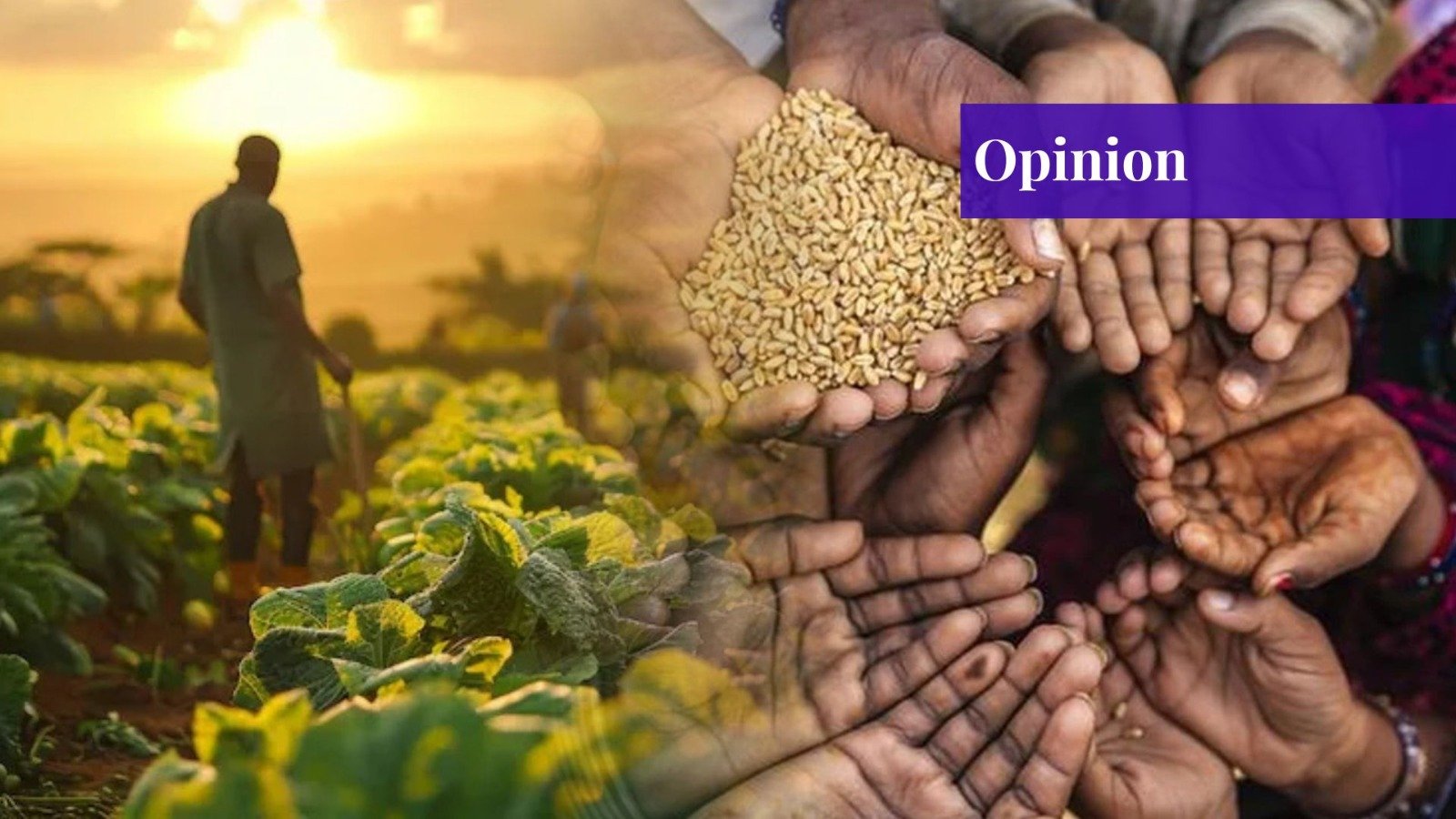

The Ministry of National Food Security and Research (MNFSR) of Pakistan has been undertaking an array of ambitious projects in recent years that are worthy of appreciation. With honorable Federal Minister Rana Tanveer Hussain and his team at the helm, the ministry has made efforts to bolster agricultural productivity, enhance food systems, and protect national food security, a responsibility that becomes increasingly essential in the wake of climate variability, economic pressures, and rising population demands.
Achievements of MNFSR
One of the significant achievements is the collaboration with global research organizations such as the International Maize and Wheat Improvement Center (CIMMYT): in 2015–2025, almost “70 improved wheat varieties” have been released in Pakistan, of which around 90% are derived from CIMMYT’s advanced germplasm. Almost 90% of wheat grown on 9 million hectares now employs varieties that include these enhanced characters—yield, disease resistance, quality, and micronutrient biofortification.
Another significant recent effort is the introduction of the “National Agri Stack,” a digital infrastructure initiative by MNFSR, the Ministry of IT, the Land Information and Management System, and the Special Investment and Facilitation Council. It will aim to bring land and farmer data together, offer digital IDs, and make subsidy access, credit, insurance, and market access easier for farmers. Such systemic modernization is necessary for transparency, efficiency, and inclusivity.
In addition, in the Financial Year 2024–25 budget, MNFSR’s PSDP allocation was enhanced to Rs 12.56 billion compared to Rs 8.85 billion in the last financial year, an increase of nearly 70%. The money is being channeled toward the development of watercourses, support for rain-fed (barani) regions, encouragement of oilseed production, and capacity development through technical and vocational training programs.
In agriculture, the ministry’s supervision under the Federal Committee on Agriculture (FCA) has shown incremental progress: onion yield increased by 15.7%, potato by 11.7%, and tomato by 8.8% over the previous year.
Of course, the results have not been free of hardship. During FY 2024–25, Pakistan’s agriculture sector registered growth of merely 0.56%, the lowest in nine years. Important staple crops registered falls: wheat production fell 8.9%, cotton 30.7%, sugarcane 3.9%, and maize 15.4%. This volatility highlights the critical challenges emanating from climate change, erratic weather, constraints on input supplies, and structural inefficiencies.
Special Gratitude
To the senior leadership of MNFSR, especially Minister Rana Tanveer Hussain, Minister of State Malik Rasheed Ahmad Khan, and senior officials, as well as all provincial partners: your hard work—managing interdepartmental collaboration, coping with budget constraints, and driving both research and field initiatives—is much valued. Even when crops fail or targets are not met, the inclination to experiment, establish partnerships (national and global), and think ahead is something that provides promise of long-term strength.
Recommendations for Boosting Effectiveness
- Increase research and deployment of climate-resistant crop varieties, improved water management practices, and rainwater harvesting. As the sudden dip in crop output is caused by heat, drought, and uneven rain, these investments are imminent.
- The newly envisioned satellite-based crop data system must be implemented quickly so that actual data can inform import/export, subsidy targeting, and crop planning. Erratic or tardy data compromises decision-making.
- Most farmers have limited access to inputs, credit, storage, and equipment. Ramping up credit programs, subsidies on inputs, and logistics assistance will boost productivity and minimize loss.
- Go beyond cereal crops. Encourage the growing of oilseed crops, pulses, and other nutrition crops; invest in processing and value addition to cut down import reliance and raise farmer income.
- Stable pricing policies (e.g., support prices), predictable subsidies, and elimination of unnecessary regulatory barriers can foster farmer confidence and investment.
- Promote provincial consistency in best practices, develop the capacity of agricultural extension services, and enhance provincial coordination in the areas of water sharing, seed distribution, and market linkages.
In a nutshell, though the Ministry of National Food Security and Research has had its setbacks, the development thus far through research, investment, service modernization, and improvement in crops is respectable. With careful improvements, improved institutional ability, and continued investment, Pakistan can transition toward more secure food security, enhanced livelihoods for farmers, and increased resilience in its agriculture sector.
If you want to submit your articles and/or research papers, please visit the Submissions page.
To stay updated with the latest jobs, CSS news, internships, scholarships, and current affairs articles, join our Community Forum!
The views and opinions expressed in this article/paper are the author’s own and do not necessarily reflect the editorial position of Paradigm Shift.

Adv. Abeer Tariq is a lawyer practicing before the High Court, with four years of legal experience. He holds a law degree from Bahria University and a master’s degree from Brunel University, London. He has recently begun contributing his perspectives on legal and judicial matters. He aims to bring fresh insight and clarity to contemporary legal discourse.