
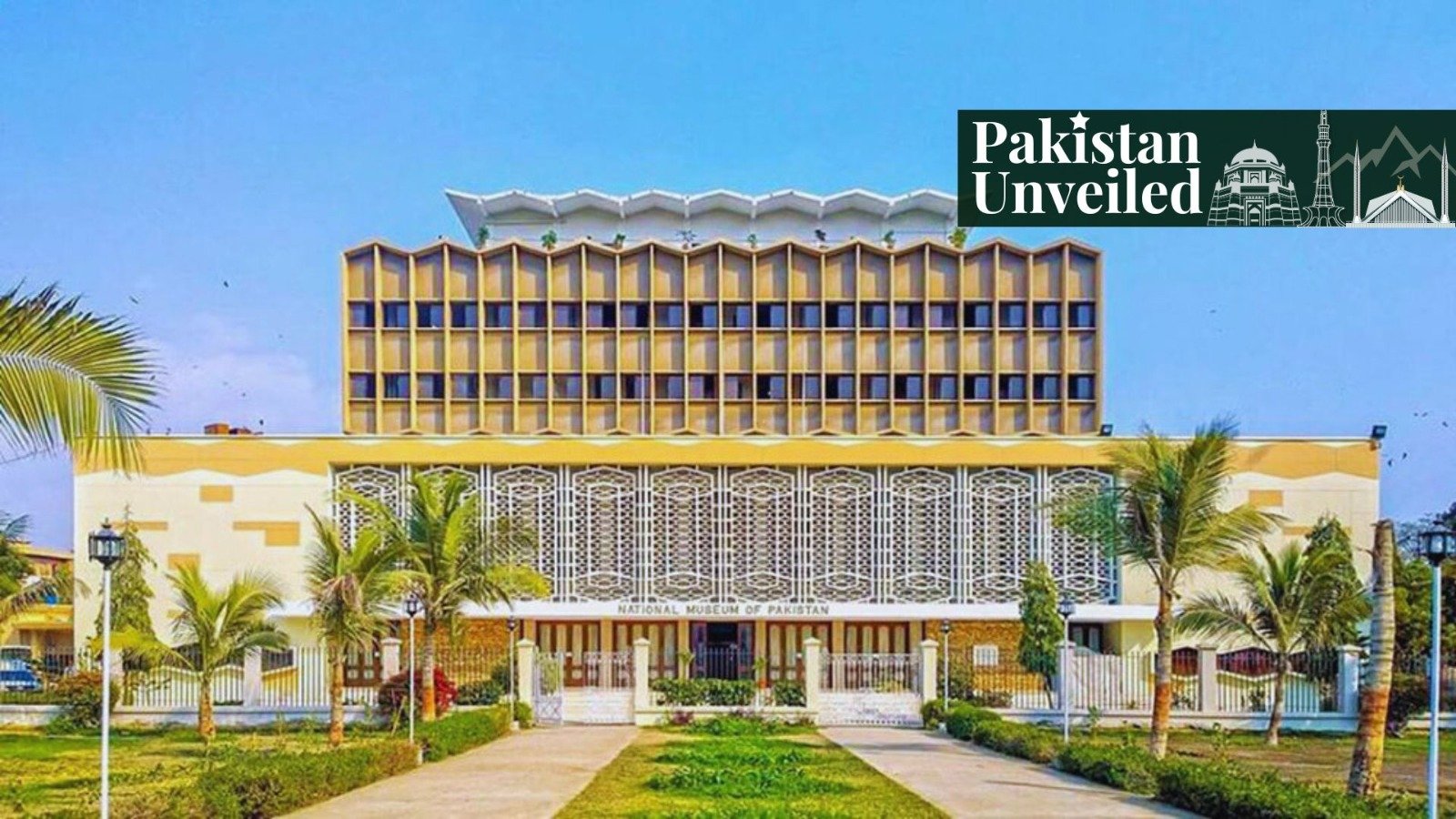

The National Museum of Pakistan in Karachi is not just a building, but it is a real time machine. This place is in the very core of the city, and we have all the traces of the 5,000-year-old Indus Valley Civilization, all the way to the present-day times of the Pakistan Movement, within it. You can consider this a complete guide in case you are a local who wants to reconnect with their heritage or a visitor who wants to know the real picture.
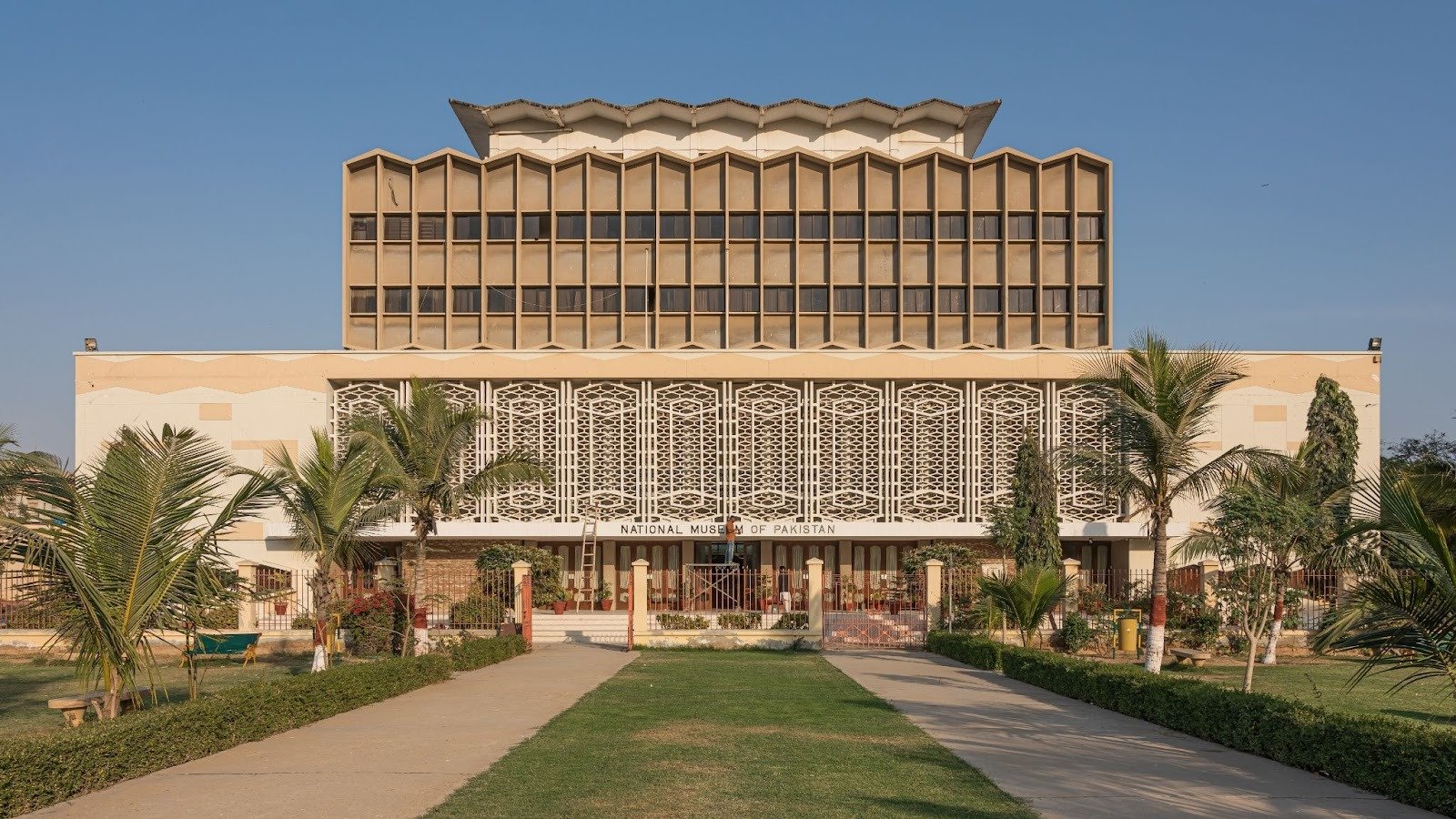
We will explore all the main information you will need to visit here so that you are well aware of the exact place of the establishment, the history of the initiative, the invaluable riches within, and the National Museum of Pakistan ticket price and timings.
Finding the Spot: National Museum Karachi Location Explained
Have you ever questioned yourself about the fate of the historical treasures of Karachi after partition? The National Museum of Pakistan is the answer.
A New Beginning in Frere Hall: The 1950 Story
During the creation of Pakistan, there was a pressing necessity to have a national depository as a means of preserving its newly inherited treasures. The museum was first opened on April 17, 1950. But not where it stands today.
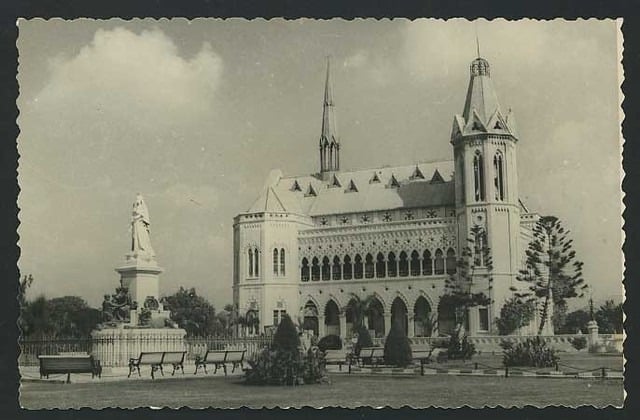
The Original Home:
It was first located in Frere Hall (constructed in 1865) of the colonial age. The new National Museum was essentially a replacement of the late Victoria Museum of Karachi, a museum set up in 1887 and transformed into the Supreme Court Registry building.
The Big Goal:
The government of the time didn’t waste a minute. They established an Advisory Council whose sole mission was to assemble a collection that was indeed representative of our great cultural heritage. This entailed the acquisition, purchase, and protection of thousands of things that narrate the story of the land.
The Modern Move: When Was the New Building Built and Why?
The collections soon surpassed Frere Hall and required a bigger, specifically designed building. However, the museum acquired a new and permanent residence during the 1970s.
When it was Built Up:
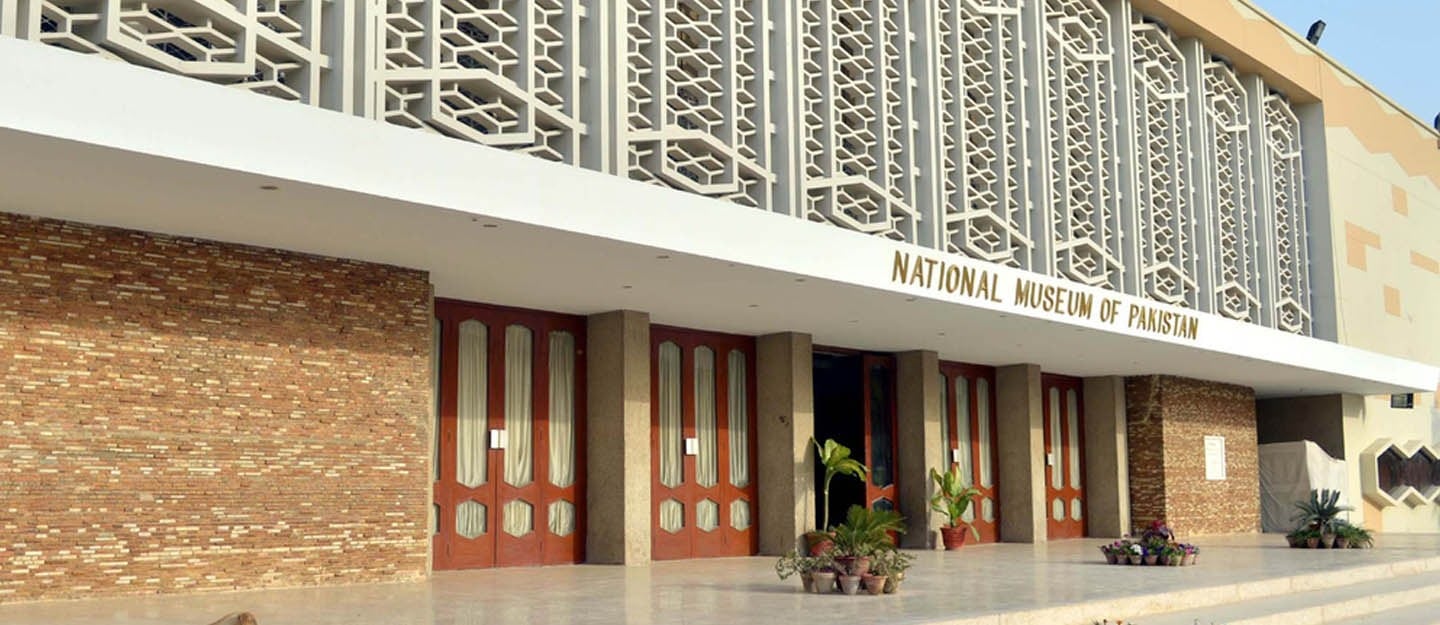
The move to the now dedicated modern premises at Burns Garden occurred in 1970 (or 1971).
The Architect’s Vision:
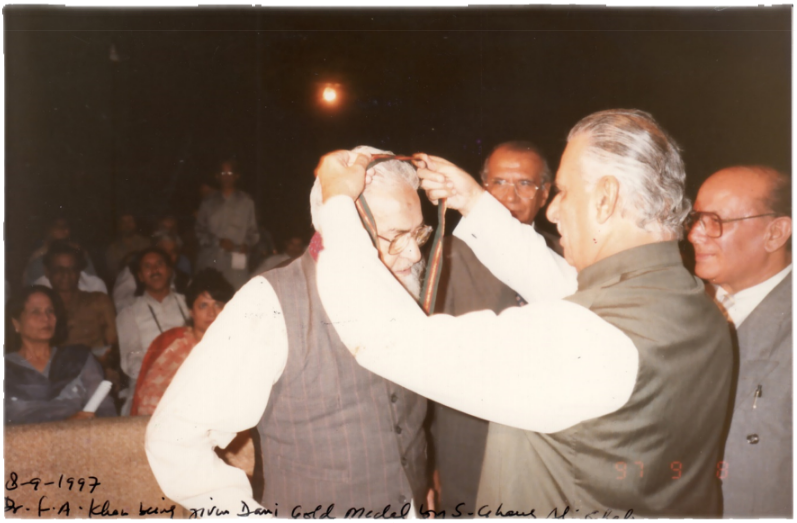
This modern building was planned by the famous Pakistani archaeologist, Dr. F. A. Khan, who worked as the Director General of the Department of Archaeology and Museums (DOAM) between 1958 to 1970. He was the one who wrote the ‘Note on a New National Museum of Pakistan’ in 1959 and insisted on a shift to a new, modernized museum capable of accommodating the increasing collection.
The present National Museum Karachi location is at Dr. Ziauddin Ahmed Road, Burns Garden, Saddar, Karachi. It is very close to the Arts Council of Pakistan, which is a landmark of the entire city.
National Museum of Pakistan Inside: What You Can Actually See
The experience of walking inside the museum as a Pakistani is a very emotive one. The museum now boasts eleven galleries, which take you go through a time trip that goes back millennia. The entire collection has more than 50,000 artifacts!
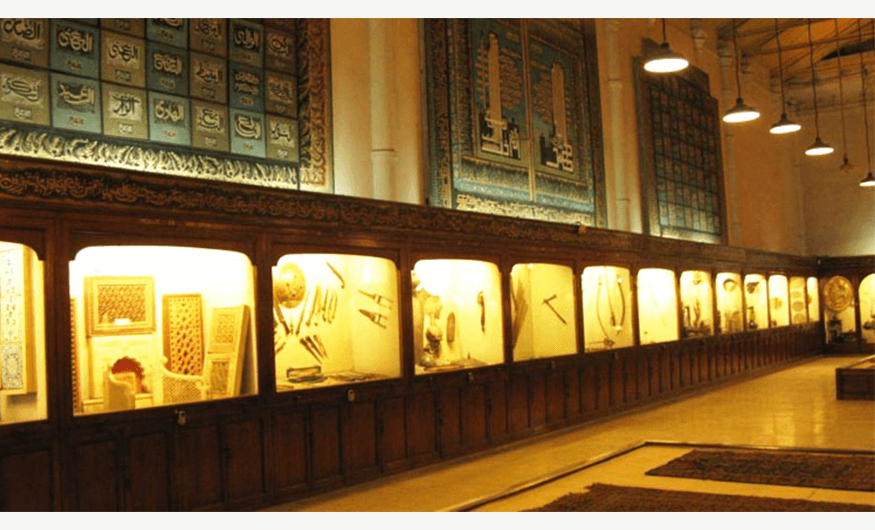
Ancient Civilizations
This part is everything with roots. The ancients will be the first you will meet when you go in.
Indus Valley Civilization:
Seek the beautiful pottery, seals, and domestic items that were retrieved at places such as Mohenjo-daro and Harappa, which date back to 2500-1500 BC. The best-known exhibit here is the copy of the statue of the Priest-King. The original site is normally under high levels of security, yet the copy is still a strong sight.
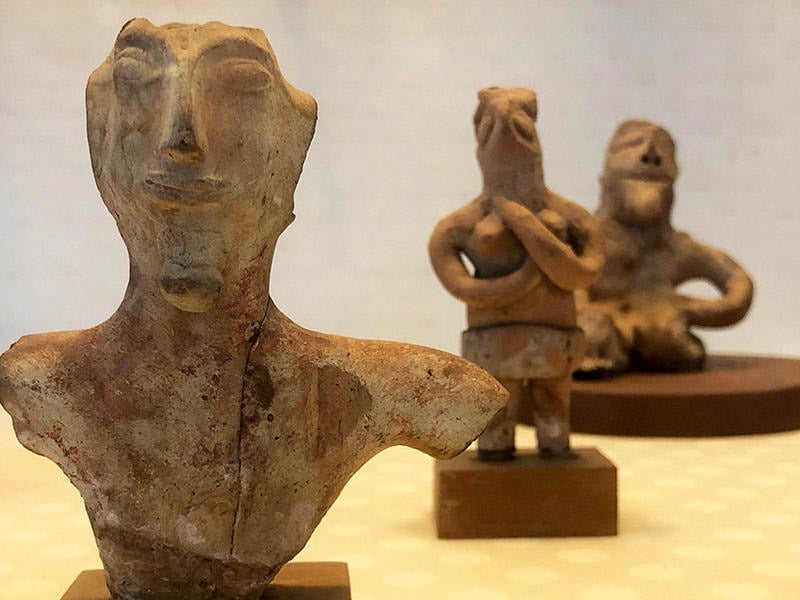
Gandhara Civilization:
This gallery is a showstopper. It features exquisite Buddhist statues of Buddha and Bodhisattva, such as stucco and terracotta statues. The art is unique in the sense that it distinctly reveals the Greek influence (Greco-Buddhist style) that was dominant in places such as Taxila during the 1st-7th century AD.
Islamic Art and Manuscripts
The Majestic Quran Gallery:
This is one of the highlights, with more than 300 copies of the Holy Quran. Out of them, some 52 rare and well-illuminated manuscripts are on display, exhibiting how the evolution of Islamic calligraphy took place at different times.
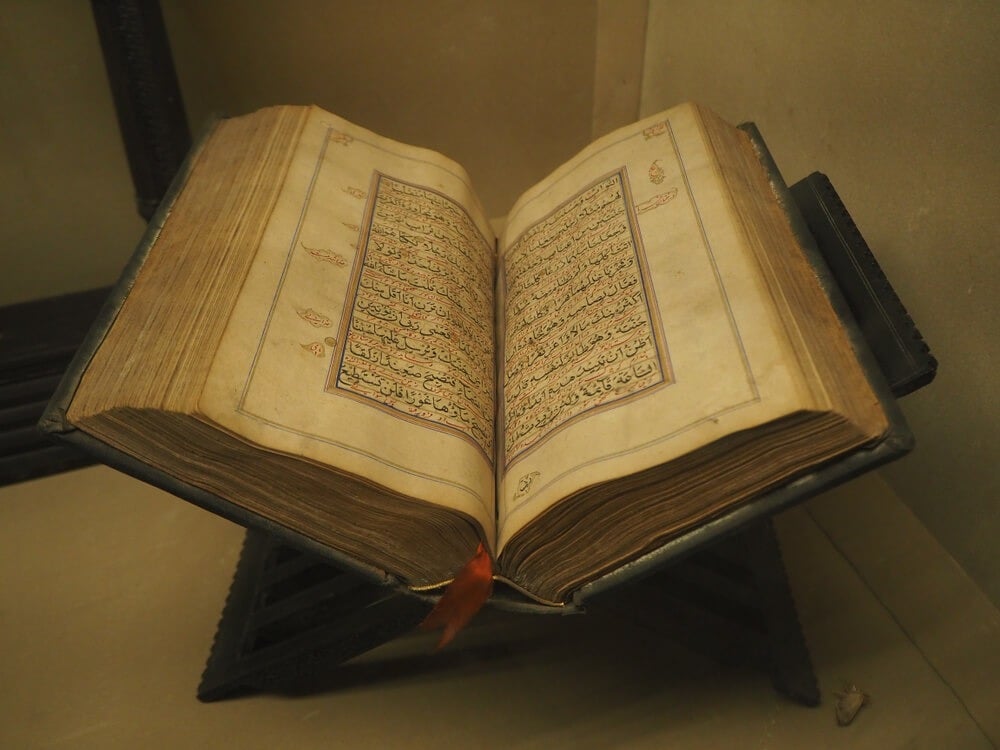
Islamic Art Gallery:
You will find a set of weapons, armour, metalwork, exquisite ceramics, and beautiful textiles here. This part brings out the artistic and technological development that occurred in the Muslim world since the 8th century.
The Modern Nation: Identity and Heritage
Historical Documents & Relics:
Here, you associate with the founders of the nation. You can have a glimpse of the personal effects of the Quaid-e-Azam, such as his pen, cuffs, and sword, and of Allama Iqbal, whose personal chair and pen are on display. These are some of the most important relics of the Pakistan Movement.
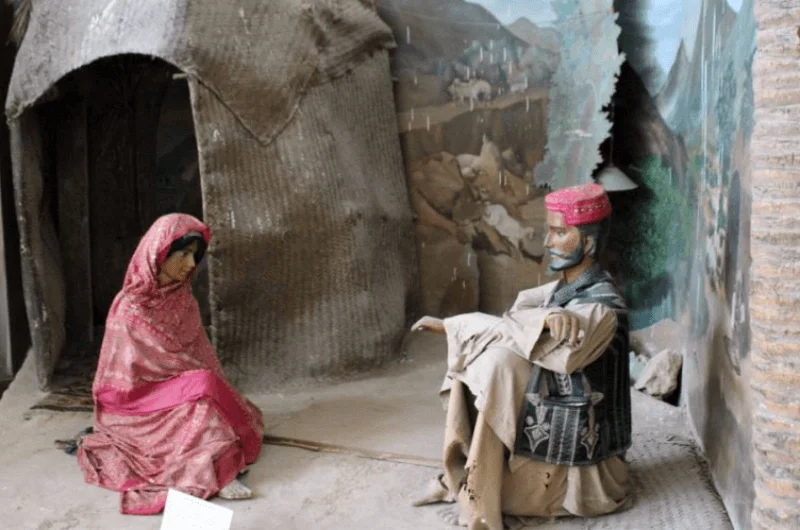
Ethnological Gallery:
This part reminds us about the diversity that we possess. It contains full-size figures and representative displays of the traditional costumes, crafts, and culture of the numerous ethnic groups throughout the provinces of Pakistan.
Visitor Essentials for 2025: Timings and Ticket Price
Planning your visit? Here are the concrete details for entry:
National Museum of Pakistan Timings (Updated 2025)
The museum has a schedule which makes it easy to plan your day trip to the museum.
- Days Open: Tuesday to Sunday
- Closed Day: Mondays
- Visiting Hours: 9:00 AM to 5:00 PM
- Ticket Counter: This usually shuts down one hour before the actual closing time, which is normally at 4:00 PM.
National Museum of Pakistan Ticket Price (Updated 2025)
The Culture Department of the Sindh government has maintained the entry fee very low so that anybody can afford it.
- Local Residents (Adults): PKR 20 (Pakistani Rupees) approximately.
- Local Residents (Children/Students): Approx PKR 10.
- Foreign Tourists: Higher fees will be charged, but you should double-check at the counter, though you will find a relatively higher fee than locals, but still a reasonable price in comparison with other museums in international markets.
Important Note: It is always a good idea to call the museum on their official numbers (+92 21 99212840 or +92 21 99212839) just before visiting to ensure the latest ticket price and timings, or any closure due to a public holiday.
How to Reach the National Museum of Pakistan?
The museum is located at the center of Saddar, Karachi, which is why reaching there is not very difficult.
By Ride-Hailing/Taxi:
This is the simplest way. All you need to do is enter the National Museum of Pakistan location in your app (Uber, InDrive, or one of the local taxi services). The address is Dr. Ziauddin Ahmed Road, Burns Garden.
From Jinnah International Airport (KHI):
It’s about 18-20 km away. By car, it will take approximately 30-45 minutes, depending on the traffic.
From Train Stations (Karachi Cantt/City):
There are two large railway stations within a distance of about 20-30 minutes by road. You may get a rickshaw or a taxi very easily there.
By Bus/Public Transport:
Any local bus or People’s bus service going to the Saddar area, around the Arts Council of Pakistan, or the Avari Towers area will leave you at a short walking distance from the museum.
National Museum of Pakistan Photos and Future
The museum is continuously striving to retain and upgrade its facilities. The building itself is a 70s modern, multi-story construction with the purpose of efficient exhibition and conservation.
Interior & Galleries:
The design is based on logical flow through history, beginning with the ancient artifacts of the ground floor, moving up to the manuscripts and political history of the upper floors. There are also special services such as a research library containing more than 70,000 publications and a conservation laboratory.
The Future (2025 Updates):
Negotiations are in progress between the Sindh Government (which controls the museum after the 18th Amendment) and the Federal Government on funding and control. One of the priorities of the future will be the computerization of the vast amount of archives and documents so that they can be preserved and made available to the international community. New special exhibitions are also worth keeping an eye on, as they change regularly to exhibit various sections of the 50,000+ collection of artifacts.
The National Museum of Pakistan is not merely a collection of antiques that are being displayed under glass: it is a breathing history of the country. It indeed introduces you to the fertile earth and the history of Pakistan.
If you want to submit your articles and/or research papers, please visit the Submissions page.
To stay updated with the latest jobs, CSS news, internships, scholarships, and current affairs articles, join our Community Forum!
The views and opinions expressed in this article/paper are the author’s own and do not necessarily reflect the editorial position of Paradigm Shift.