
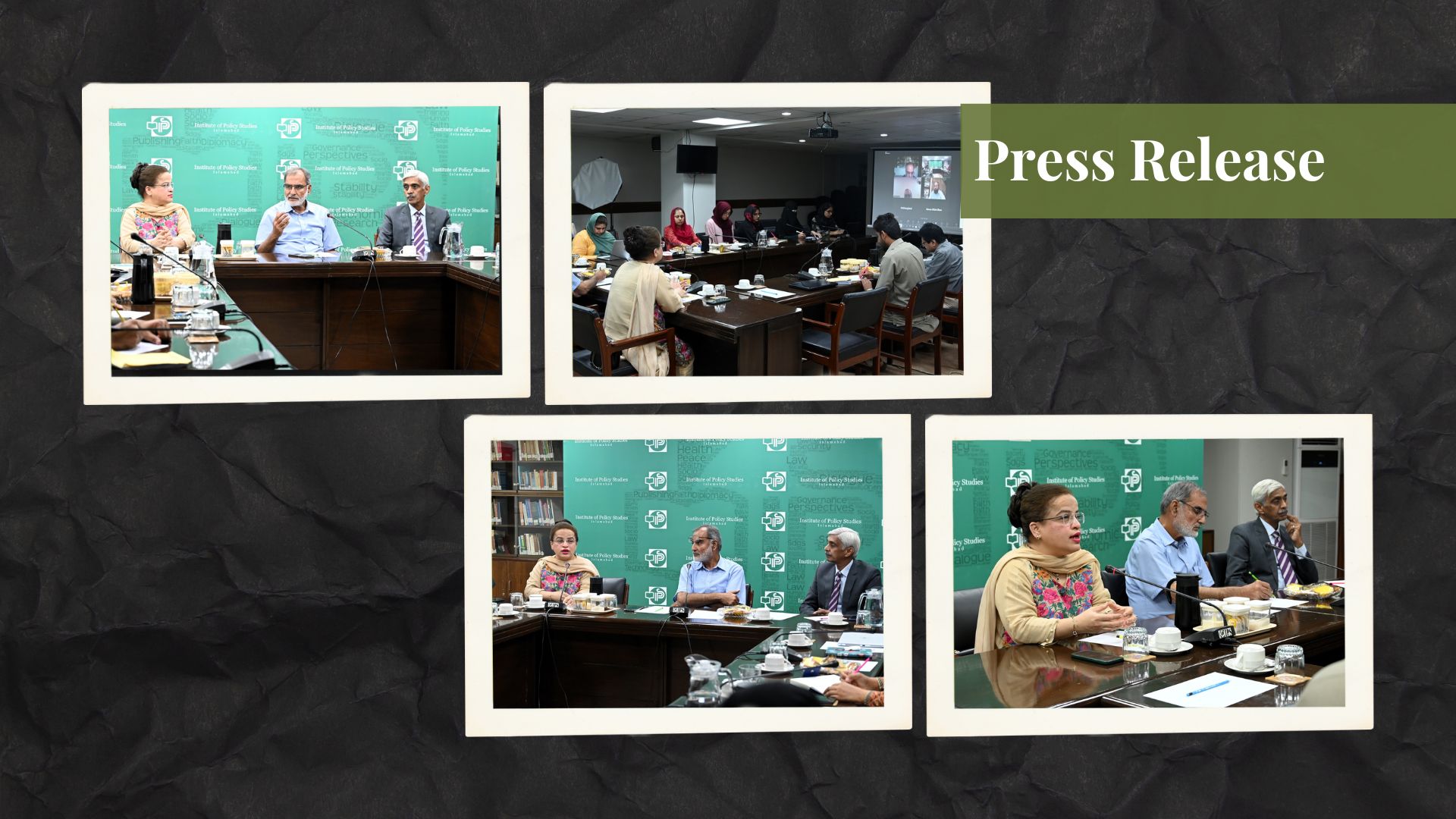

Islamabad, 24 April: The Pahalgam incident and India’s subsequent unilateral measures did not happen in isolation but as part of a deliberate and recurring strategy to reshape regional dynamics to Pakistan’s detriment. The timing of the incident, its historical parallels, and the swift, coordinated media campaign that followed signal a calculated move by India. This intent is further reflected in actions taken without evidence or identified perpetrators, such as suspending the Indus Waters Treaty and closing the Attari border. To respond effectively, Pakistan must pursue a strategic, measured, and resolute approach, reaffirming its principled stance, countering disinformation with facts, exposing the underlying motives behind such orchestrated violence, and engaging international partners.
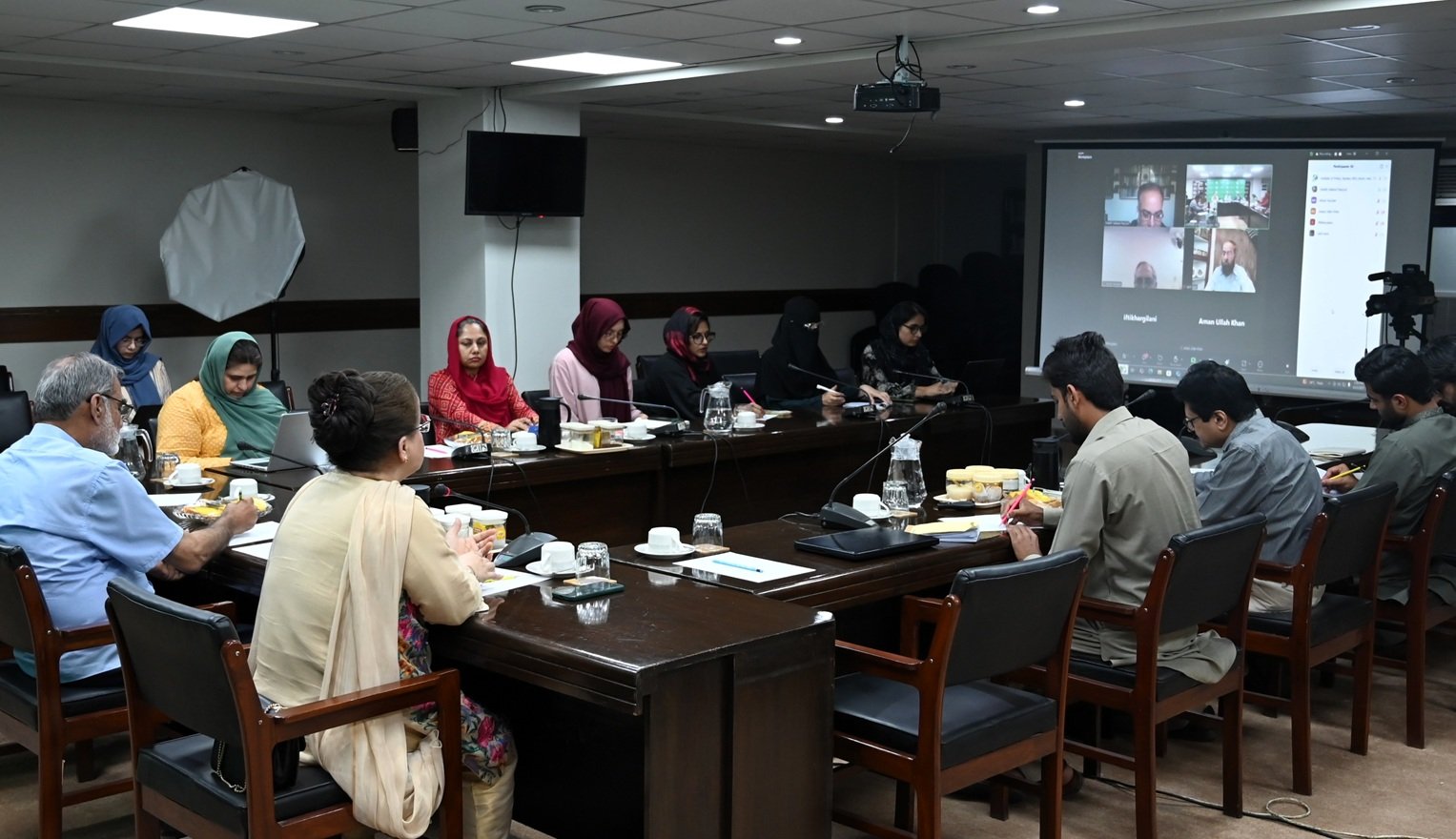
A panel of strategy analysts, defense experts, and policy scholars observed this during a session, “The Pahalgam Attack: Dissecting the Motives and Strategic Fallout,” organized by the Institute of Policy Studies (IPS), Islamabad.
The session was addressed by Dr. Asma Shakir Khawaja, Executive Director of the Center for International Strategic Studies, AJK; Sheikh Waleed Rasool, Director of the Institute of Multi-Track Dialogue, Development & Diplomatic Studies; Dr. Nauman Sattar, Visiting Faculty, Department of Defense and Strategic Studies (DSS), Quaid-e-Azam University; Said Nazir, defense and strategy expert; veteran journalist Iftikhar Gilani; Khalid Rahman, Chairman IPS; and Ambassador (R) Syed Abrar Hussain, Vice Chairman IPS.
Dr Asma Khawaja stated that the incident was not accidental but a “calculated move aimed at giving a communal color to the Kashmir issue.” She noted that such incidents often coincide with high-profile foreign visits to India to deflect global attention. She emphasized the need to recognize the role of hyper-nationalism under Prime Minister Modi’s leadership, warning that such acts are part of a broader strategy to exploit Islamophobia and destabilize Pakistan’s regional standing.

Endorsing this, Sheikh Waleed pointed to the historical sensitivity of Pahalgam and drew attention to the Ajit Doval doctrine, which emphasizes targeting state actors. He highlighted the repetition of timing, motive, and beneficiary in such episodes. “This is not an isolated incident. It is a multidimensional strategy, part of a larger pattern, and must be seen through the lens of global and regional dynamics,” he said.
Dr Nauman Sattar further contextualized the event within a post-9/11 framework of Indian strategic behavior, asserting that such attacks are often leveraged to frame Pakistan as the perpetual antagonist and to rally domestic nationalist sentiment. Talking about the implications stemming from the incident, he envisaged the fallout continuing for months, including the destabilization of Pakistan’s regional standing and the downgrading of the normalization of relations.
Moreover, the incident attempts to weaken the political fabric of Kashmir, including moves to dismantle the remnants of Muslim leadership and autonomy, said Said Nazir. He warned against India’s strategic posturing around revoking the Indus Waters Treaty, which he labeled a direct threat to Pakistan’s national interests.

Iftikhar Gilani noted the unusual targeting of tourists, historically off-limits even during peak militancy. He noted that it has been a time-tested formula for India to polarize society in the name of Pakistan and Muslims. He viewed this as part of a strategy to provoke public opinion against Muslims, Kashmiris, and Pakistan, a pattern we have seen before, he said.
The speakers called for “a measured yet mature and resolute posture” and emphasized the need to counter disinformation with verifiable facts, expose the underlying strategic motives behind incidents disguised as isolated attacks, and involve friendly nations to present Pakistan’s position on international platforms.
In his concluding remarks, Khalid Rahman emphasized the need to assess the credibility of the Indian narrative critically. He pointed out that the immediate and coordinated media campaign, launched without any concrete evidence or identification of perpetrators, reflects a deliberate and premeditated effort to frame public perception and policy discourse for reshaping regional dynamics.
If you want to submit your articles and/or research papers, please visit the Submissions page.
To stay updated with the latest jobs, CSS news, internships, scholarships, and current affairs articles, join our Community Forum!
The views and opinions expressed in this article/paper are the author’s own and do not necessarily reflect the editorial position of Paradigm Shift.

The Institute of Policy Studies (IPS) is an autonomous, not-for-profit civil society organization dedicated to promoting policy-oriented research, dialogue, and human & technological development for better governance. IPS provides a forum for informed discussion and dialogue on national and international issues. The contributions spanning over forty-three years and the overall impact signifies the importance of pragmatic research on policy issues. The institute highlights the role of think tanks in modern democratic polities.