
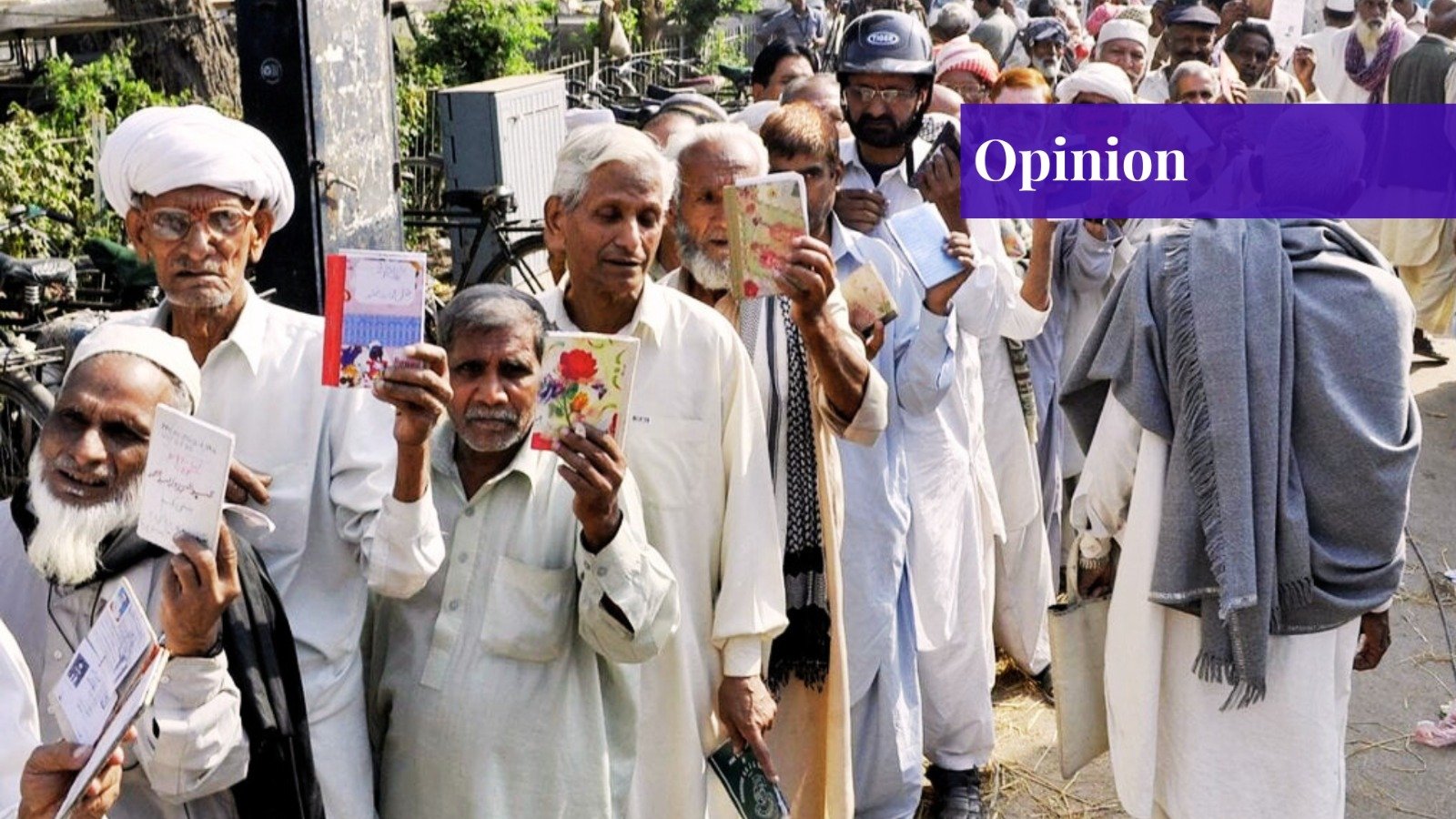

On July 31, 2025, the Finance Department of Sindh issued a letter announcing a drastic pension cuts from 63 percent to just 15 percent. When the news surfaced on social media, it spread like wildfire and fell like a ticking bomb on employees nearing retirement. For thousands who devoted decades of service in education, health, and administration, the announcement was devastating. The government defended the move as “financial discipline,” arguing that pensions consume too much of the provincial budget.
Officials claim the cuts will free funds for development projects in health, education, and infrastructure. On paper, the reasoning may appear sound. In reality, it ignores the human cost. For retirees, pensions are not extra income but their backbone after a lifetime of service. They use them to buy food, pay for medicine, cover utilities, and maintain dignity in old age. Slashing them so suddenly has left elderly citizens fearful, insecure, and betrayed. The following are the repercussions of this sudden change in pension policy by the Sindh government.
A -The Human Cost
Behind every percentage point cut is a human story. For many, this change means skipping medicines, cutting meals, or borrowing from children who themselves are battling inflation. The emotional toll is equally severe. After decades of service, citizens feel abandoned by the very state they strengthened with their labor. The pain is compounded by glaring inequality. While retirees are being told to sacrifice, parliamentarians have enjoyed salary hikes of 200 to 400 percent. This sharp contrast has fueled public outrage, deepening the perception that society is being split into privileged elites and struggling workers, despite promises of a “people-centric” government.
B – Public Reaction
The response has been strong and swift. Retired workers across Sindh have taken to protests, sit-ins, and rallies outside press clubs and government offices. The Government School Teachers Association (GSTA), already protesting for disparity reduction allowance, gratuity, restoration of deceased quota, and widow’s pension rights, has added the pension cuts to its list of grievances. Social media is full of stories of retirees unable to afford medicine or pay their bills. Citizens from different walks of life have expressed solidarity, seeing the policy as unjust. Yet officials continue to defend it as “necessary,” further alienating people from the state.
C – Wider Consequences
The damage goes beyond individual households. Pension cuts erode trust in government promises and weaken morale among current employees. If workers see their retirement benefits reduced, why would younger generations be motivated to enter public service? The move also risks pushing many retirees below the poverty line, increasing dependency on families already hit by inflation. Many employees may seek voluntary retirement, further straining institutions. Younger workers, disillusioned by insecure futures, are more likely to leave the country, fueling brain drain.
Economically, the question remains: can these cuts rescue Sindh’s finances? Pakistan’s broader economic indicators remain weak, and targeting retirees will not solve structural issues. Other nations that reduced pensions, such as Canada and the United States, did so with alternative systems in place to protect citizens. China, too, has schemes that balance state and worker needs. Sindh, however, has offered no alternatives—only reductions that make life harder for its elderly.
Better Alternatives
If financial reform is the goal, there are fairer paths. Billions are lost each year to corruption and mismanagement; recovering even a fraction could cover pension obligations. Cutting VIP perks, luxury vehicles, and special allowances for senior officials would save more than pension cuts.If reforms are unavoidable, they should be gradual and apply only to future employees, not those already retired and dependent on pensions. Expanding tax collection from powerful landowners and large businesses could also ease budget pressure. These steps require political courage but would protect fairness and human dignity.
A Question of Values
This issue is not only about money but about the kind of society Sindh wants to build. Cutting pensions sends a message that years of service mean little, and that financial targets matter more than dignity in old age. Do we want to see elderly citizens anxious and helpless? Do we want younger employees to view government service as a trap with no future? Or do we want to honor those who built our institutions by ensuring their comfort in retirement?
The answers will shape not just policy but the moral character of governance.
Conclusion
In a nutshell, the Sindh government’s decision to reduce pensions may ease short-term budget strain, but it risks long-term damage. It undermines trust, deepens poverty among the elderly, and lowers morale among employees. Retirees are not asking for charity. They are demanding the fulfillment of a promise, a fair return after decades of service. Real reform lies not in punishing the powerless but in holding the powerful accountable, reducing waste, and adopting fairer, step-by-step changes. Sindh must rethink this policy. Without dialogue and fairness, it risks unrest, protests, and a deeper gap between citizens and the state.
For now, thousands of retirees face dark clouds over their future and a painful question: after a lifetime of service, do they deserve security or sacrifice?
If you want to submit your articles and/or research papers, please visit the Submissions page.
To stay updated with the latest jobs, CSS news, internships, scholarships, and current affairs articles, join our Community Forum!
The views and opinions expressed in this article/paper are the author’s own and do not necessarily reflect the editorial position of Paradigm Shift.
I am an alumnus of the Institute of Dentistry, LUMHS Jamshoro. I belong to District Mirpurkhas, Sindh. I qualified for the CSS Special 2023 examination and currently practice clinical dentistry in a reputable private setup. Alongside my professional work, I am interested in topics related to global politics, Pakistan’s political landscape, and public health, and I aim to offer informed perspectives shaped by my academic background and practical experience.