

An End to Plausible Deniability
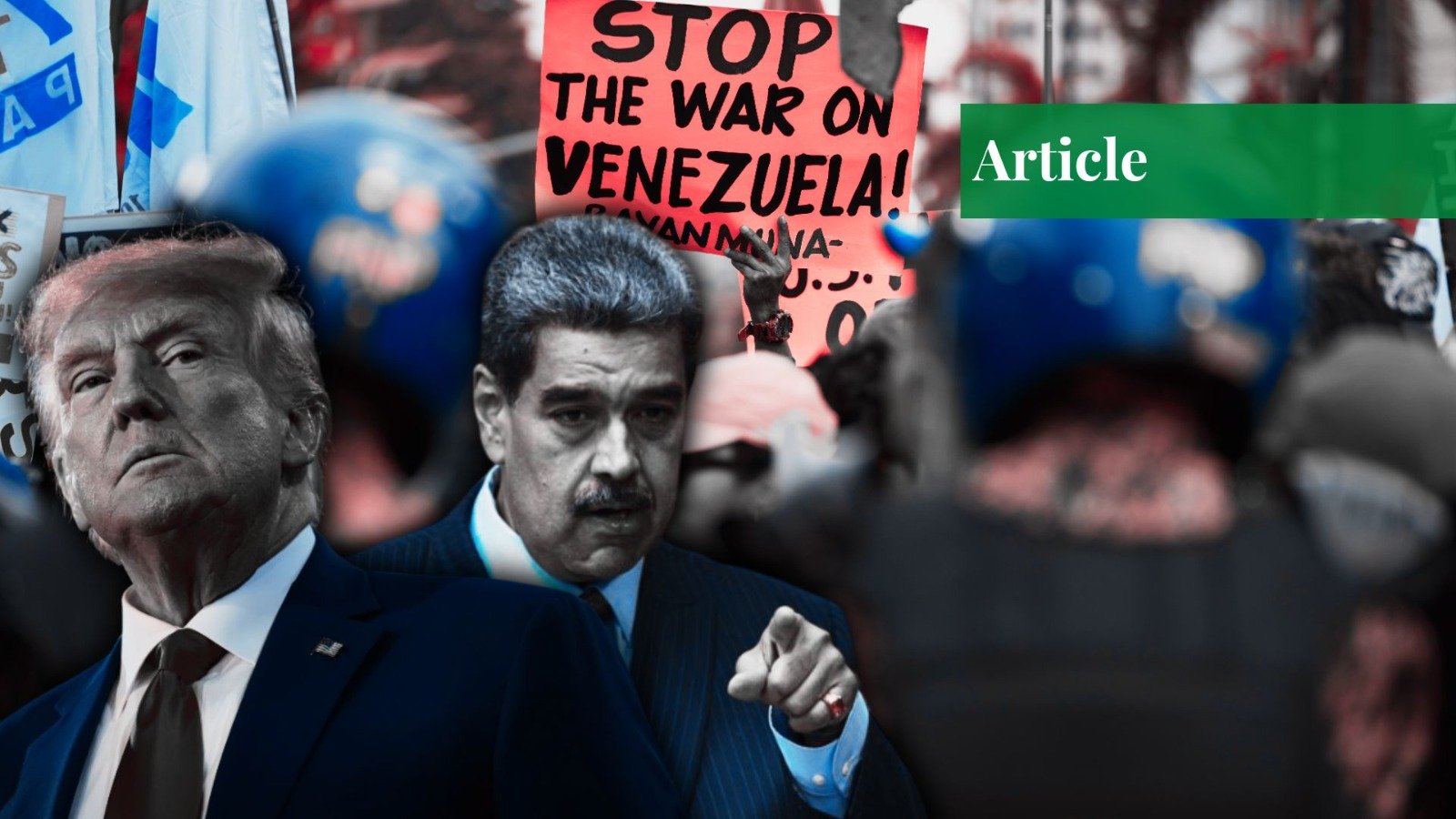
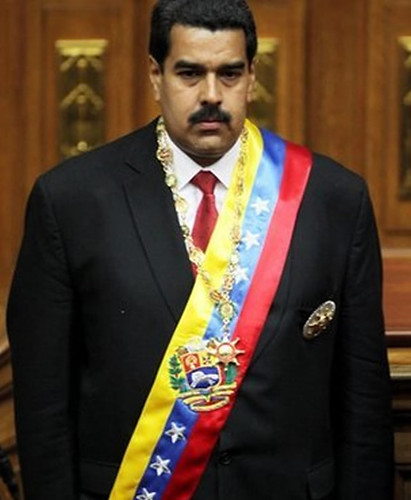
I woke up today, and as I opened my laptop and scrolled down my Facebook feed, a news channel was airing reports of US airstrikes in Venezuela. The probable invasion had recently been discussed on social media platforms by experts and social media users alike, but I did not see it coming this brazenly. The news felt like it was quietly tilting the furniture in the room. Explosions in Caracas, low-flying aircraft, and a president said to be seized and carried away by a foreign power. The morning was not furtive or coy. It read like a proclamation. The United States had announced that it had carried out strikes. After a few hours (two and a half), President Donald Trump tweeted that the Venezuelan President Nicolás Maduro had been captured and flown out of the country.
There is a strange honesty to the brazenness, and that honesty is the problem. For decades, power relied on a grammar of absence. When a state wanted to remove a rival or to punish an enemy, it often preferred the language of shadows: plausible deniability, plausible silence, a story that left enough room for doubt. The architecture of ambiguity was not built on technicalities; it was institutional by design. It allowed violence to be dissociated from responsibility, and it let governments act while insisting they had not. Those levers have been broken or discarded. What used to be hidden is now announced, sometimes in blunt social media posts and sometimes in the quick flourish of a presidential statement.
Creating a New Theatre
Visibility can’t be confused or conflated with virtue; it is a tool. Seeing does not equal justice. Perceive it that way: the new openness can constrain lies. Satellite images, open-source investigators, and a thousand civilian cameras make cover stories harder to maintain. Yet this very relevance does a service to the bigger powers. It creates legitimacy in the eyes of viewers, or those who are merely being entertained. But it can also turn truth into theatre. To declare an abduction in public is to force the world into a narrative the declarer prefers. The claim becomes a fait accompli that others must disprove or else appear weak. Visibility becomes a tool for power to reshape legitimacy rather than a pathway to accountability.
This change is structural. Great powers no longer rely only on proxy forces. They now mix overt force with legal narratives and criminal charges. An operation is justified not merely by strategy but by indictments, by public explanations, and by the performance of law. Strike first, then explain with warrants and old charges. The choreography makes force look like due process to those who choose to accept the script. To many observers, the intervention in Venezuela reads as a new template where kinetic action, memes, and juridical rhetoric are wedded in plain sight.
There is a psychological turn in how authority imagines its audience. Secrecy once produced awe and fear. Now bluntness has replaced mystery. Power increasingly seeks not to be unseen but to be unmistakable. I am seeing feeds of Trump saying, “Maduro doesn’t want to f*** around with the United States.” What an alpha statement, jaws open! We are invincible. The spectacle of a captured president broadcast across platforms is meant to end ambiguity and to signal control. But the move from secrecy to spectacle has costs. It normalizes a posture in which the strongest perform sovereignty in front of the global public and, in doing so, may lower the bar for others who wish to emulate the same practices. The ritual of plausible deniability fades; the ritual of assertion takes its place.
Where Does International Law Stand?
What follows is moral exhaustion, and even the wider populace may fail to engage with the deeper moral reasoning these events demand. So, where does international law stand here? Its position is clear: what the powerful did violates fundamental norms of sovereignty and non-intervention (Article 2(7)), including the UN Charter’s prohibition on the use of force (Article 2(4)) against another state. But let us return to Thucydides—since the dawn of human struggle, “the strong do what they can, and the weak endure what they must.” The tension between law and power remains evident. International Law and the language of sovereignty persist; they are invoked in condemnations and emergency sessions, yet enforcement is weak and often symbolic.
Yet, those formal objections now play out against a background of viral images, live reporting, and competing claims of authenticity. Exposure has become an added field of contestation: proof traded for counterproof, urgent pleas for evidence sitting beside triumphant declarations. The scaffolding of norms that once made invasion and abduction exceptional is thinning under the weight of spectacle and strategic calculation.
For experts and citizens, the crucial question is whether this new clarity will lead to responsibility or simply to louder violence. We have been taught that light is the best disinfectant. That aphorism assumes institutions are able and willing to act on what light reveals. In too many cases, the light only deepens the theatre. Exposure without enforcement can become a form of legitimation for the powerful. If the strongest can announce and justify abductions without consequence, norms fray, and smaller actors learn the same lesson. The world becomes not more honest but more brutal.
Conclusion
I do not romanticize the age of shadows. Plausible deniability often cloaked grim deeds and terrible abuses. Yet, its unraveling forces us to reckon with a different reality. We now live in a moment when the great powers are willing to do in daylight what used to be attempted in darkness, and they are prepared to claim it. That structural change is the story worth attending to. Whether it becomes a vessel for accountability or a new method of domination depends less on technology than on the stubbornness of institutions, the stamina of publics, and the rare courage of courts willing to convert proof into justice.
In the quiet after the first reports, what remains is a simple, dangerous fact: the rules have changed. The performance of power is now part of the operation. The era of plausible deniability has gone not because secrecy vanished, but because the most powerful learned they could simply stop pretending. The question for the rest of us is blunt and moral. Will we let visibility be the first step toward accountability, or will we watch as spectacle becomes the handmaiden of a new, more brazen order? What will happen? What will Russia and China do? What about the evolving order? Where would it lead us? There are so many questions. We will soon get the answers in the near future; the evolving events will tell us before long.
If you want to submit your articles and/or research papers, please visit the Submissions page.
To stay updated with the latest jobs, CSS news, internships, scholarships, and current affairs articles, join our Community Forum!
The views and opinions expressed in this article/paper are the author’s own and do not necessarily reflect the editorial position of Paradigm Shift.

Mohammad Zain is an International Relations student at NUML, Islamabad. With an associate degree in English Literature and Linguistics and a BS in International Relations, he brings a unique blend of analytical and literary skills to his writing.