

Introduction
Many of us might have heard the breaking news back in August 2019 that the “Crown Prince of Terror” was killed in an airstrike during a Central Intelligence Agency (CIA) military operation in Afghanistan. Well, this crown prince was Hamza bin Laden, the son of Al-Qaeda’s founder, Osama bin Laden. Surprisingly, it was reported by well-known media outlets, including the BBC, The New York Times, and CNN, while citing unnamed US intelligence officials. The Pentagon and then-US President Donald Trump avoided commenting on that report initially.
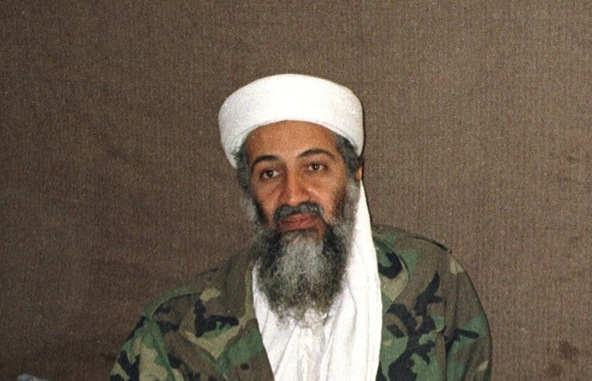
It led to skepticism in many terrorism analysts about such news, as there was no mention of the exact date and place of operation. In the past, the Islamic State in Iraq and Syria (ISIS) leader Abu Bakr al-Baghdadi and Al-Qaeda senior operative Mokhtar Belmokhtar were pronounced killed numerous times, but later these allegations were proven wrong when these leaders resurfaced with their audio or videotapes. In short, we can say it was assumed that Hamza bin Laden was killed, but there was no clear evidence presented.
Response by the US Government
First, then US Secretary of Defense Mark Esper confirmed this news during his interview with Fox News when asked about Hamza. His exact words were, “That’s my understanding; I don’t have the details on that. And if I did, I’m not sure how much I could share with you.” Such statements clearly reflect that the successful targeting of Hamza was uncertain. However, in the following month of September 2019, then-US President Trump also confirmed the news of Hamza’s killing in the Afghanistan-Pakistan (AFPAK) border region, supposedly in Ghazni Province in southeast Afghanistan, in a statement issued by the White House.
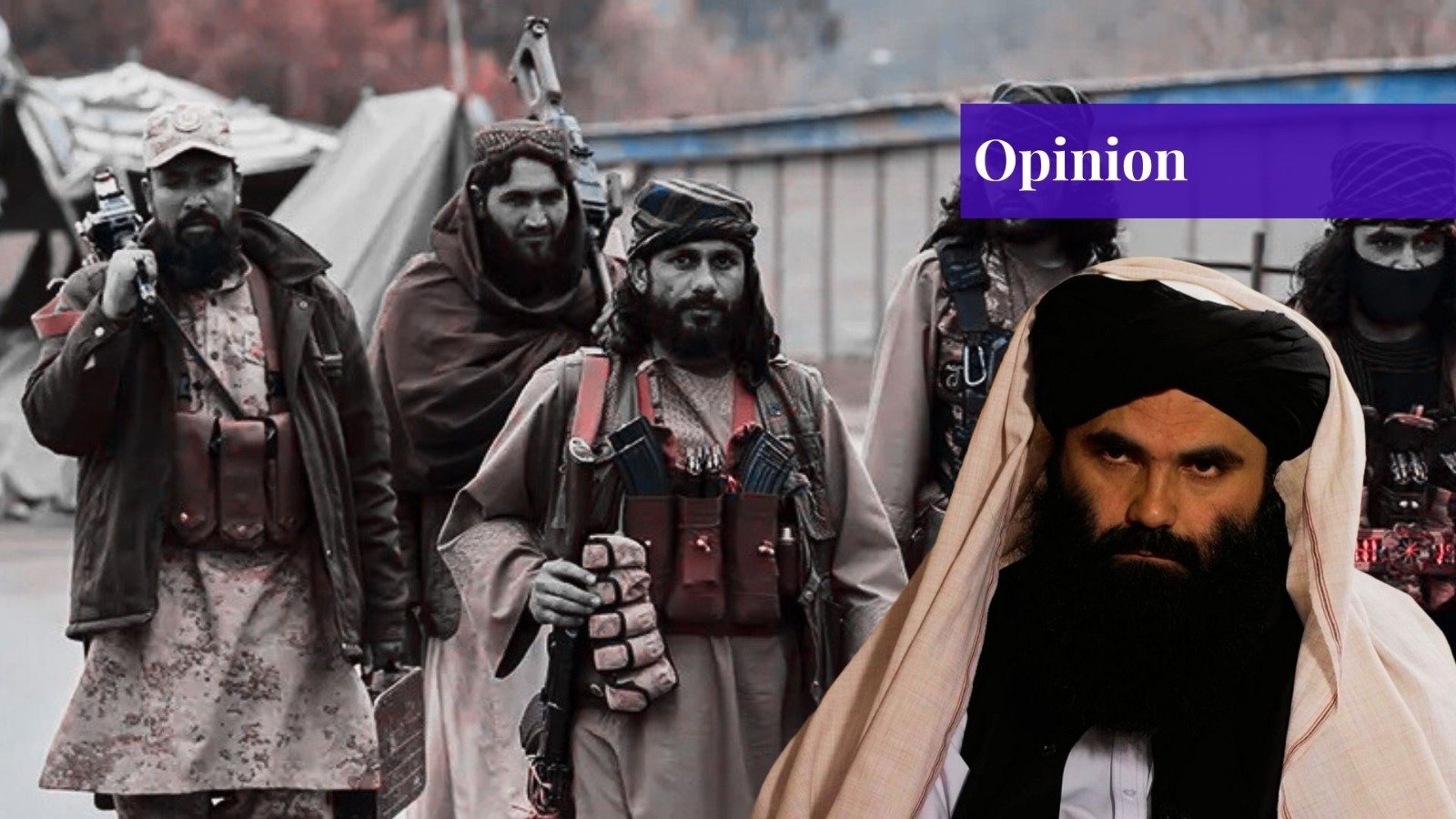
Almost four years later, the British news agency “The Mirror” reported that the supposed dead Hamza bin Laden, infamous as the “Crown Prince of Terror,” is alive and residing in Northern Afghanistan under the protection of 450 snipers. Hamza and his brother, “Abdullah bin Laden,” are actually commanding 10 Al-Qaeda terrorist networks and regrouping them for attacking Western targets. There were also accusations of deep coordination between the Taliban and Al-Qaeda, highlighting the potential resurgence of an evil network in Afghanistan.
The National Mobilisation Front (NMF), an anti-Taliban military alliance, also reported on the operations of Hamza bin Laden and his associates. The outlet claimed that post-2021 Taliban rule, Afghanistan has become a “training center for various terrorist groups.” The US Department of Defense (DOD) and the UN had affirmed this Taliban-Al-Qaeda nexus. The US DOD in 2018 reported that about 200 Al-Qaeda members are present in Afghanistan.
In 2019, the UN reported that Al-Qaeda “continues to see Afghanistan as a safe haven for its leadership, based on its long-standing, strong ties with the Taliban,” thus calling it an “alliance” grown for years. Ex-commander of the US Central Command, General Joseph Votel, in 2019, claimed that almost 18 terrorist groups are still present in Afghanistan besides ISIS and Al-Qaeda.
Emergence of Terrorist Offshoots
There remains no doubt about the alleged presence of major terrorist groups’ offshoots in Afghanistan. First, Al-Qaeda’s core leader, Ayman al-Zawahiri, in 2014 made a separate formal Al-Qaeda offshoot in South Asia, named Al-Qaeda in the Indian Subcontinent (AQIS), an attempt to strengthen regional presence and ties with local actors. In the following year, ISIS made its Afghanistan-based offshoot, named Islamic State-Khorasan Province (ISKP). Since 2015, ISKP has maintained a strong presence in northern Afghanistan, especially in Nangarhar province, which also borders Pakistan’s ex-FATA region.
Allegedly, ISKP was made through recruiting former Tehreek-e-Taliban Pakistan (TTP) militants who fled Pakistan during the 2014 Operation Zarb-e-Azb. The situation is the same in post-2021 Taliban rule, and Afghanistan still serves as a launchpad for such terrorist groups’ affiliates, predominantly for ISIS, Al-Qaeda, the Islamic Movement of Uzbekistan (IMU), and the East Turkistan Islamic Movement (ETIM).
Recent Developments
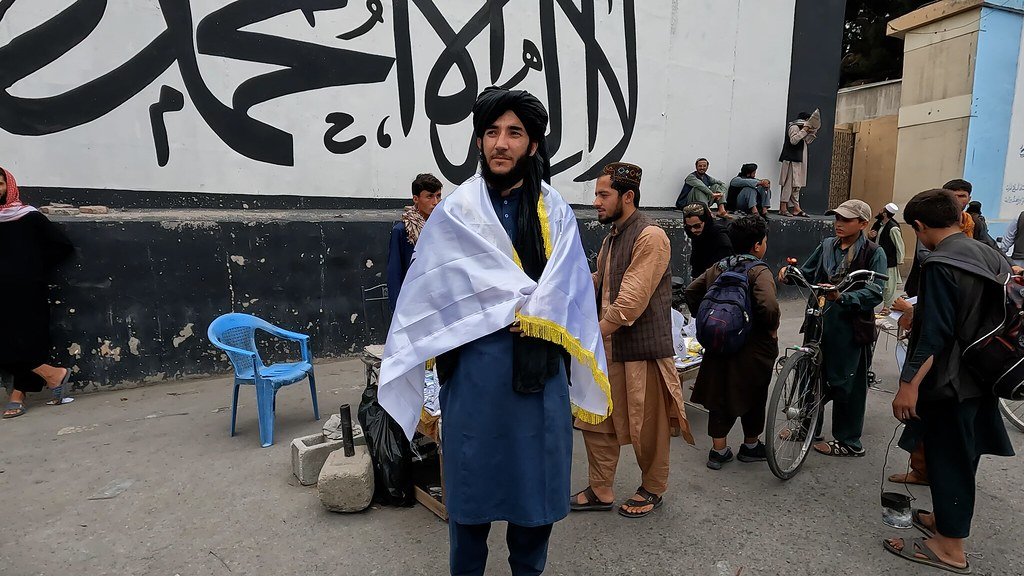
On November 26, 2025, three Chinese miners were targeted and killed with armed drones in the remote province of Khatlon, Tajikistan. Dushanbe refers to this as terrorism by criminal agents based in Afghanistan. The ISKP might have been the strong candidate for such criminal activity, as past evidence clearly suggests. In March 2023, an incident occurred in Mazar-i-Sharif where a suicide bomber detonated himself within the second-floor office of Mohammad Dawood Muzammil, who serves as the Taliban governor of the Balkh province in Afghanistan. The ISKP had taken responsibility for the suicide bombing that killed the Taliban governor. However, the post-2021 Taliban government decided to deny its existence in response to every ISKP question and label it as a weak and insignificant offshoot.
Conclusions
Past events inside Afghanistan and recent terrorist activity against Chinese workers strongly suggest the deepened presence of terrorist offshoots, especially of ISKP and AQIS. Afghanistan still operates as a training hub for such terrorist groups, which pose severe threats to regional security. Pakistan needs to take measures in collaboration with regional stakeholders, especially China, to counter terrorism, as it will threaten the mutual interests of both countries. Engaging the Taliban government with international actors would be effective in such a case. Without overcoming terrorism, no development would be ensured in such a volatile area.
If you want to submit your articles and/or research papers, please visit the Submissions page.
To stay updated with the latest jobs, CSS news, internships, scholarships, and current affairs articles, join our Community Forum!
The views and opinions expressed in this article/paper are the author’s own and do not necessarily reflect the editorial position of Paradigm Shift.

Junaid Ashraf is a research assistant at the Centre for Countering Terrorism and Violent Extremism Studies (CCTVES), Institute of Regional Studies (IRS). He can be reached at [email protected] and [email protected].