
The Current Mental Health Landscape in Pakistan
Mental disorders remain a serious cause for concern, highlighted as one of the highest burdens of disease globally. Post-COVID research indicates a rapid increase in this trend, as more than 1 billion individuals are currently living with some form of mental illness. A large proportion of this population comes from low and middle-income countries (LMICs), where factors such as stigma, limited resources, varied socioeconomic and cultural situations, and low-quality mental healthcare contribute to this dire situation.
Pakistan is one such country where mental health resources remain dangerously limited, with less than 0.5 percent of the national health budget being allocated to mental healthcare, despite the development of a national mental health program. Furthermore, existing resources remain largely inaccessible to populations that are most vulnerable across the country.
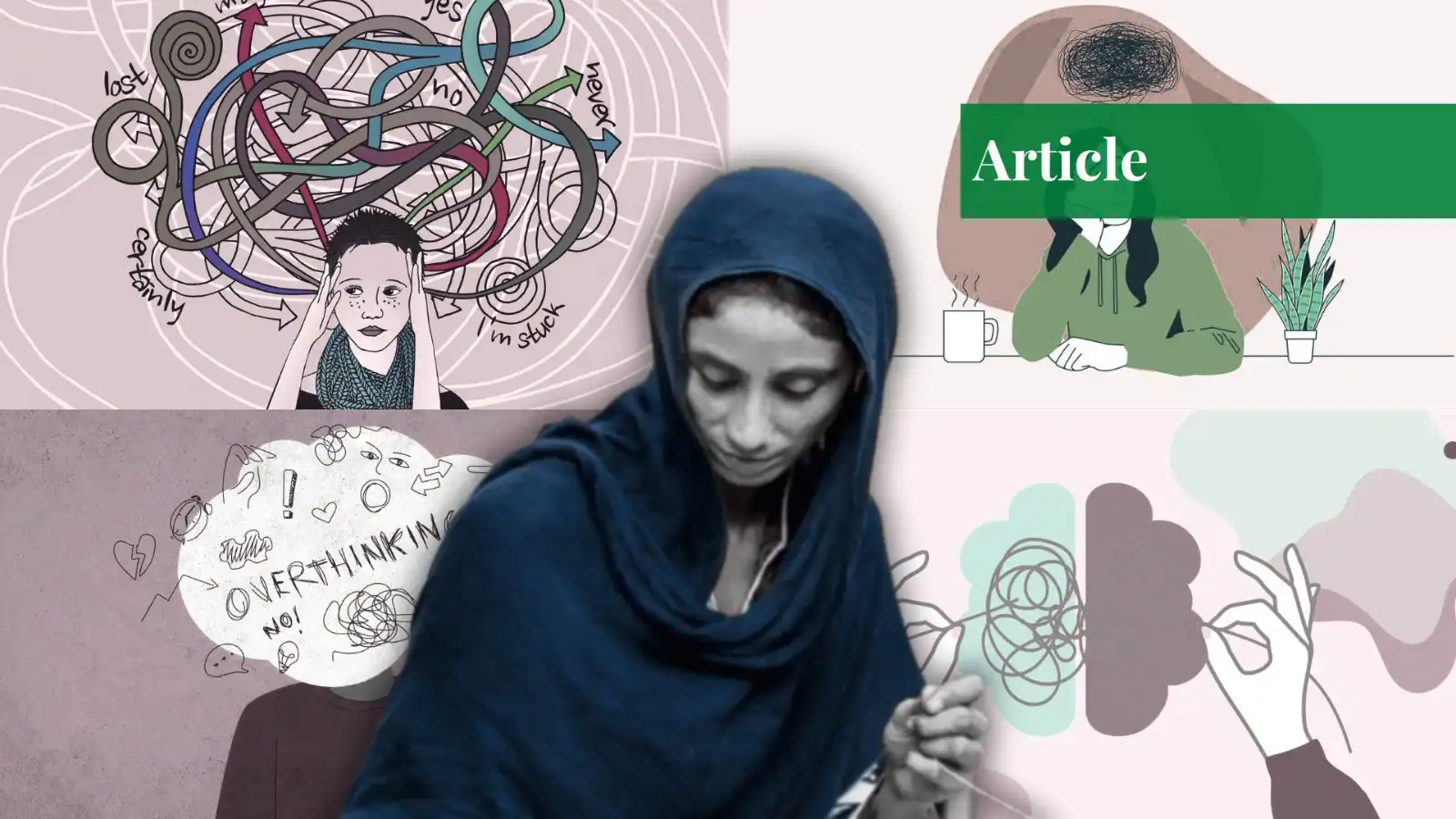
Amongst these populations, the women and girls of Pakistan are one such example, who remain burdened with struggles at the individual, familial, and societal levels that, in turn, negatively affect their mental health. This is exacerbated by factors such as stigma surrounding mental health, a lack of awareness, opposition from family or society, low-quality mental health services that fail to provide maintenance care in addition to support systems within the community, all of which often prevent women from seeking timely and appropriate mental healthcare. It is reported that around 1 in 4 women experience depressive or anxious symptoms during their lifetime, yet the current healthcare system struggles to meet the needs of affected individuals appropriately.
Factors Perpetuating Psychological Distress Amongst Women and Girls
A major source of increased psychological distress amongst women is gender-based violence (GBV). This can be described as all forms of physical, emotional, sexual, psychological, and even economic abuse that stems from patriarchal values, promotes gender inequity, and is perpetuated by power imbalance between genders. Survivors often face discrimination, a lack of psychological and social support, and, in some cases, ostracization from their family and community.
The responsibilities of caregiving, especially for new mothers, are often attributed to anxious symptoms and post-partum distress. This has been reported by healthcare professionals working in rural areas of the country as well, where social pressures and family expectations often ignore prevailing psychological distress in young mothers. Maternal and infant mental healthcare is yet to be prioritized. As of now, post-partum symptoms are often dismissed or overlooked as “normal”, which encourages a cycle of unhealthy endurance as compared to timely symptom management for new mothers. This is crucial to address, given that maternal distress has far-reaching consequences that can also influence the infant’s physical and emotional development in addition to the overall well-being of the family unit.
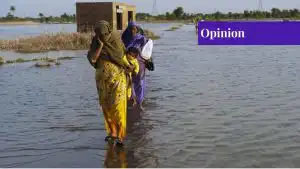
School drop-out numbers of young girls in Pakistan due to familial responsibilities, stigma related to menstruation and reproductive health, and early marriages continue to be observed. The rates of child marriages have increased, especially in the wake of the recent and ongoing climate disasters in various regions of the country, which have amplified depressive, post-traumatic, and anxious symptoms.
A concept referred to as “monsoon brides” has been highlighted since the 2022 floods, where economic difficulties due to displacement, loss of employment, or property by people residing in affected regions have led them to marry off their young, often underage, daughters to deal with their financial burden. These instances increase the risk for mental and physical health conditions in the girls, exposure to domestic violence, and greater school dropout rates.
The Role of Family, Community, and Youth
Despite the high demand for proper mental health services in Pakistan, the reality is quite bleak, with less than 500 psychiatrists for a population of more than 250 million. Currently, most mental health services are concentrated in major cities or areas with greater influence and are not affordable for most, leaving the most vulnerable populations with limited access. For those with the means who wish to seek support, societal stigma serves as a major barrier to effective intervention and timely care.
However, during recent years, there has been an increase in knowledge and awareness regarding mental health amongst communities and the youth of our country. This has encouraged the formation of informal support systems, especially through social media platforms, where it is easy to connect with like-minded individuals and gain accurate information about mental health resources. NGOs, educational institutions, grassroots initiatives, and youth-led awareness campaigns are at the forefront of destigmatizing mental health and highlighting gendered perspectives as mentioned above.
This helps normalize conversations, provides a safe space for individuals to come forward, and encourages communities to build strategies to support one another. It is important to note that these steps do not replace the need for professional mental healthcare, which remains insufficient; however, they do help tackle women’s mental health issues at a community level as part of the broader response.
Prioritizing Dignified and Accessible Mental Healthcare for Women
Therefore, there is an immediate need for a multi-pronged approach when it comes to tackling mental health challenges in Pakistan, with collaborative efforts at the individual, familial, community, healthcare, policy making and government levels. While an increased budget allocation and better training of primary healthcare workers to recognize and address psychological distress are essential steps, it is equally important to involve communities and youth by encouraging emotional support networks and continued awareness and education on these topics.
In addition, ongoing mental health interventions must collaborate with service users as well as those delivering the service, i.e., healthcare professionals, midwives, psychologists, NGO workers, and medical specialists, to ensure the services are properly aligned with the actual needs of the community. This holds especially with respect to gender sensitive interventions and support systems that can cater to the unique challenges faced by women and girls across the country.
We have come a long way during recent years, with increased awareness, community support, and recognition of mental health as a priority, all of which fight the taboo. By increasing collaborations between investments at a systemic level and community-based support, to more informed interventions for training healthcare workers and gender-sensitive mental health policies, we can pave the way towards a future where every woman’s and girl’s mental health is acknowledged and supported.
If you want to submit your articles and/or research papers, please visit the Submissions page.
To stay updated with the latest jobs, CSS news, internships, scholarships, and current affairs articles, join our Community Forum!
The views and opinions expressed in this article/paper are the author’s own and do not necessarily reflect the editorial position of Paradigm Shift.

Fatima Hayat Malik is currently pursuing an MSc in Global Mental Health from the University of Glasgow. She obtained her undergraduate degree in Psychology from the National University of Sciences and Technology (NUST), Islamabad. Her academic research interests primarily focus on women’s health rights, psychological well-being, and community-driven mental health responses in Pakistan. She has been involved in research-based academic projects and community mental health awareness initiatives.