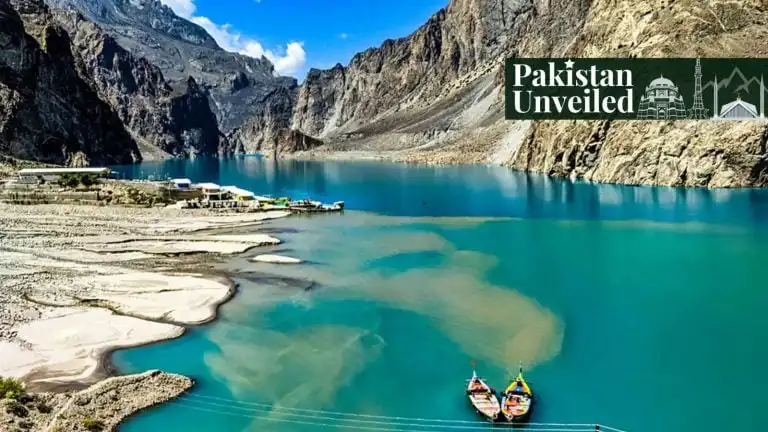

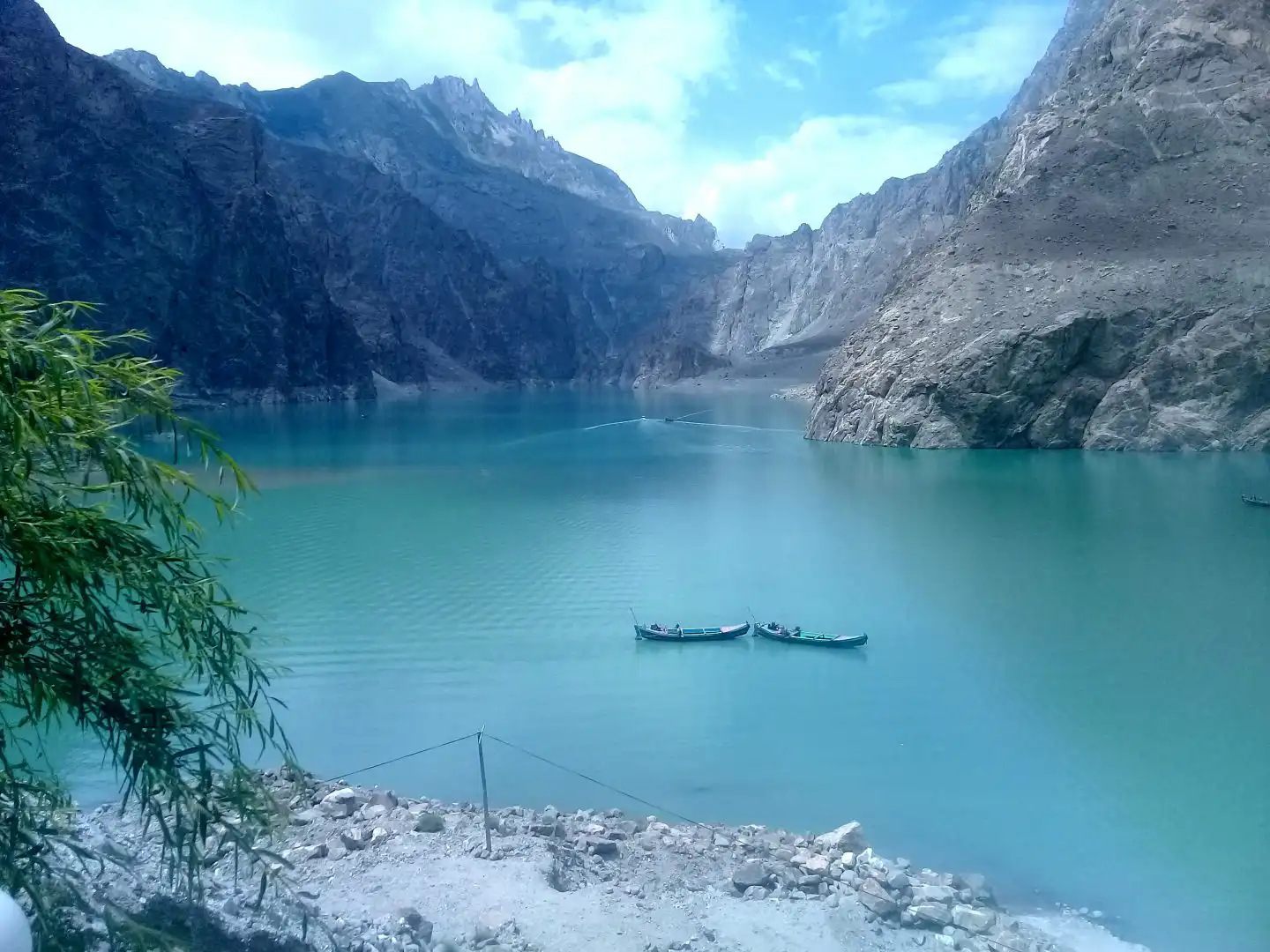
This wondrous lake is one of the finest natural wonders in South Asia. It can be found in Gojal, Hunza Valley, Gilgit Baltistan, Pakistan.
The Tragic Origin of Attabad Lake
A major landslide in January 2010 was what blocked the Hunza River and caused it to create the lake. It is a reminder of lives lost but also a mark of survival. This transformed Hunza into a choice destination for travelers from around the globe, shaping landscapes and livelihood possibilities.
According to reports, the landslide unfolded in the said village on January 4, 2010, destroying the area due to tons of debris. According to the Pakistan Disaster Management Authority and the Geological Survey of Pakistan, 20 people were killed, entire villages were destroyed, and the Hunza River was blocked for almost five months. Natural dams submerged houses, farms, and other critical infrastructures.
The collected volume of water behind the landslide debris finally filled what is now known as the Attabad Barrier Lake, which is 21-25 km long. Tree trunks submerged in the middle of the lake serve as a haunting reminder of the disaster, an element highlighted by environmental researchers and travel writers alike.
Geological & Climate Context
The lake is a natural gift indicating geological accommodation and climatic considerations in the Hunza Valley. Located in the Karakoram range, the area has found, in the past, to have inherent landslide activity due to tectonic disturbances along the Indian and Eurasian plate boundaries. The Hunza region of Pakistan has been subject to a lot of landslides due to the high-angle rifting within its geomorphic features and its constant seismic activity.
Besides these threats, there comes another one from climate change, which endangers this ecosystem with accelerated glacier melting and erratic precipitation. The case of lake formation has now become an example of how geological processes over time could transform landscapes within just a few moments, whereby a future potential threat could also be generated. The lake is a reminder of the subtle interplay between nature and human settlements at the higher reaches of the region.
From A Natural Disaster To An Economic Lifeline
What happened to the region post this unfortunate calamity was indeed overwhelming. However, with the passage of time, the Attabad Lake proved itself to be one of the most courted tourist destinations in Pakistan and catalyzed socio-economic development in Hunza.
How has the Attabad Lake Transformed Lives?
Until 2010, Gojal was an agriculture-dependent area with very few trade routes. However, post-lake formation
- New ventures based on tourism developed.
- Locals invested in boats, guesthouses, and cafés.
- Youth found jobs as guides and in the hospitality industry.
- There was an expansion of home stays and handicraft businesses owned by women.
The lake has sustained, directly and indirectly, the lives of hundreds of families.
Cultural & Community Impact: How Locals Adapted
Immediate impact, in the surrounding areas of Wakhis and Burusho community, has kept the monsoon season entirely submerged villages, farmlands, and houses, and broken families in large numbers. The disaster has brought a new way of life over the years. Guesthouses, homestays, and boat services for tourism were set up, as the locals moved on from agriculture to tourism. Women and youth contribute to the economy now through hospitality and handicrafts.
It still constitutes a basis for cultural preservation, with added wages for tourists visiting Hunza’s traditional culture, cuisine, and lifestyles. Attabad Lake depicts one of the better examples where communities adapt to disasters and transform tragedies into opportunities to artfully weave a stronger social and cultural fabric among themselves.
Tourism, in this case, will also provide sustainable economic benefits to the host communities and thus to various local markets and businesses while fueling other forms of travel that complement local culture.
Karakoram Highways and Attabad Lake Tunnels: Constructions Against Nature
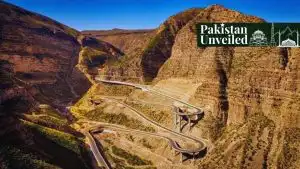
The KKH is about 24 kilometers long. It is the only land route connecting Pakistan with China.
Restoration and Realignment
As per reports:
- Five new tunnels were constructed along Attabad Lake.
- The total cost of the project surpassed USD 275 million.
- The inauguration of the project was held on September 14, 2015
The Karakoram Highway, at an elevation of approximately 4693 meters, is said to be the highest paved international road in the world.
Attabad Lake: A Top Tourist Destination in Pakistan
A Visual Experience Unlike Anywhere Else
Its hallmark deep turquoise tint, attributed to suspended glacial minerals in the water, is often the subject of study in alpine lake research. These effects can be seen with the naked eye at dawn and dusk:
- Orange and gold tones reflect off the snow-covered Karakoram peaks
- The moonlight turns the silver-blue mirror lake
Such is the persona of the Attabad Lake, which makes it distinct and earns it a top spot among the country’s most photographed places
What to do when Visiting Attabad Lake?
Attabad Lake is about much more than the views it offers; it offers on-site, meaningful, low-impact recreational activities.
Popular Pastimes include the following:
- Jetties
- Fishing
- Hiking
- Trails for photography
It indicates the region’s tourism model moving towards greater alignment with ecotourism, in line with global trends in sustainable travel.
Best Hotels and Resorts Near Attabad Lake
Whether you want a luxury retreat or a secluded escape, Attabad Lake has options for all.
Luxus Hunza
A high-end lakeside resort offering:
- Panoramic lake view
- Spa and swimming pool
- Fine dining
- Spacious rooms and professional service
Ideal for honeymooners and high-end travelers.
Horizon Resort
Balanced mid-range option which includes:
- Clean, modern rooms
- Welcoming local staff
- Very cost-effective
Highly frequented by families and international tourists.
Hidden Valley Resort
A quiet, secluded place with:
- Cozy, intimate accommodation
- Much less crowded
- Connection with nature itself
Ideal for travelers seeking peace and privacy.
Attabad Lake and the Politics of Displacement
The Baba Jan Protests
The post-landslide scene raised broader governance questions in Gilgit-Baltistan. In 2010, agitation flared up concerning delayed and inequitable compensation for damages. Baba Jan, an ethnic leader, had a few committed members of the Labour Party Pakistan behind his mass demonstration against the affected families, demanding justice on their behalf.
Protestors underwent tear gas attacks and arrests. There are numerous charges against Baba Jan and others under the Anti-Terrorism Act (ATA) for protesting.
Such cases are cited by several human rights organizations and legal scholars in order to prove the systematic marginalization of the citizens of Gilgit-Baltistan.
Cleanliness and Environmental Discipline: A Case for Pakistan
The region follows rigorous cleanliness regimens. There are strict anti-littering rules in the locality enforced by law enforcement agencies and the community itself. There is a limited-use policy for plastics. The region has an objectively strong culture of respecting and preserving nature.
Contrary to many tourist spots in Pakistan, Attabad Lake is one such place that openly shows how community participation in eco-conservation can work brilliantly, with low reliance on commercialization.
The Best Time to Visit Attabad Lake
The months from April to October are ideal, with perfect weather and clear roads, keeping the area buzzing with tourism. The winter months of November to March are faced with a frozen lake and limited access.
Spring and early summer offer the best balance between accessibility and visual beauty.
Attabad Lake serves as a prime example of fundamental change. It signified a tremendous paradigm shift wherein the natural disasters of Pakistan became sustainable avenues for the future. This lake stands at this intersection; a geological disaster transformed into an economic opportunity. To travelers, researchers, and policymakers alike, Attabad Lake further offers its lessons on resilience and responsibility.
Frequently Asked Questions
1. Where is Attabad Lake situated?
Attabad Lake is located in Gojal in Hunza Valley, Gilgit Baltistan.
2. Is Attabad Lake man-made or natural?
It is a natural lake, one of its kind, formed in 2010 after a massive landslide struck the Hunza River.
3. Why is Attabad Lake famous?
The lake is famous for its bright turquoise colors, dramatically beautiful settings, and commercial tunnels leading onto the nearby Karakoram Highway.
4. Is Attabad Lake safe for tourism?
Attabad Lake is a well-managed and popularly visited tourist site, thus ensuring safety and accessibility in reaching travels.
If you want to submit your articles and/or research papers, please visit the Submissions page.
To stay updated with the latest jobs, CSS news, internships, scholarships, and current affairs articles, join our Community Forum!
The views and opinions expressed in this article/paper are the author’s own and do not necessarily reflect the editorial position of Paradigm Shift.