
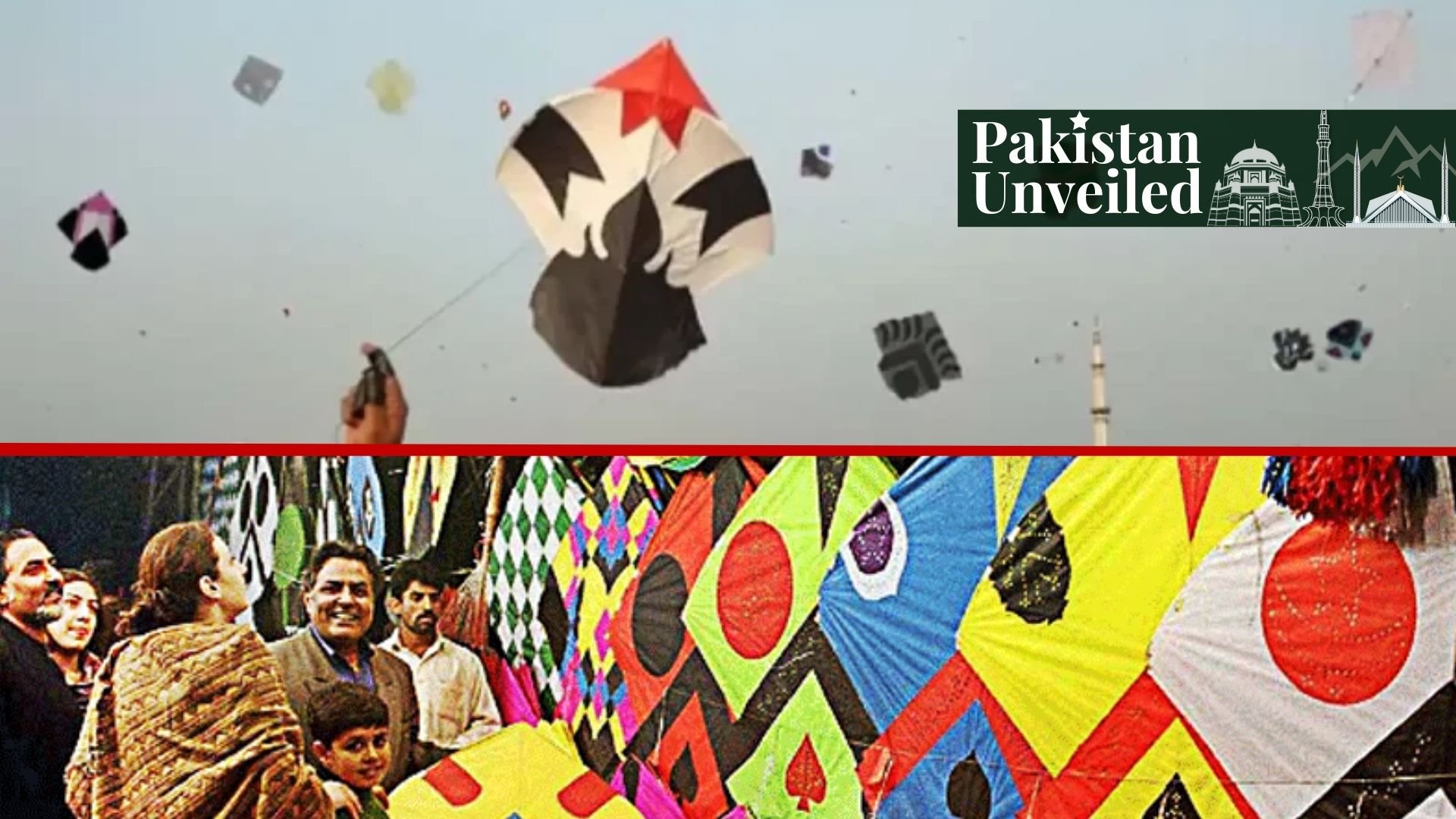

About the Festival
The Basant festival was a kite-flying festival held mainly in the city of Lahore during spring. It was the festival of colors, bringing in people of all ages to indulge in the art of kite-flying, and it was treated as a fun competition. The sky in the historic capital of Pakistan was decorated with all shapes and kinds of kites, sometimes even with messages. The Basant Mela was also held and attracted crowds, as it had numerous options for food, an assortment of different kebabs, lassi, puppet shows, horse dancing, and folk music performances. The festival was highly well-known and attracted the attention of tourists who were visiting Pakistan as well.

History of Basant
The Basant festival was also known as Vaisakhi in colonial times and was celebrated in undivided Punjab before partition in 1947. The activity was also popular among women, and its history is engulfed in fables and folktales. It is believed that a boy named Haqqeqat Dai Dharrmi was playing with his Muslim friends and was accused of blasphemy and was given the death penalty in Lahore. As a religious reaction, the Hindu community started a gathering, and kite-flying became a prominent activity during these celebrations.
This is also one of the reasons why many Muslims believed Basant to be a Hindu festival, even though, after partition, it was just a cultural celebration showcasing folk dances, music, and food. Women used to wear traditional yellow clothes and saris during these festivities, embracing the spirit of the spring season.
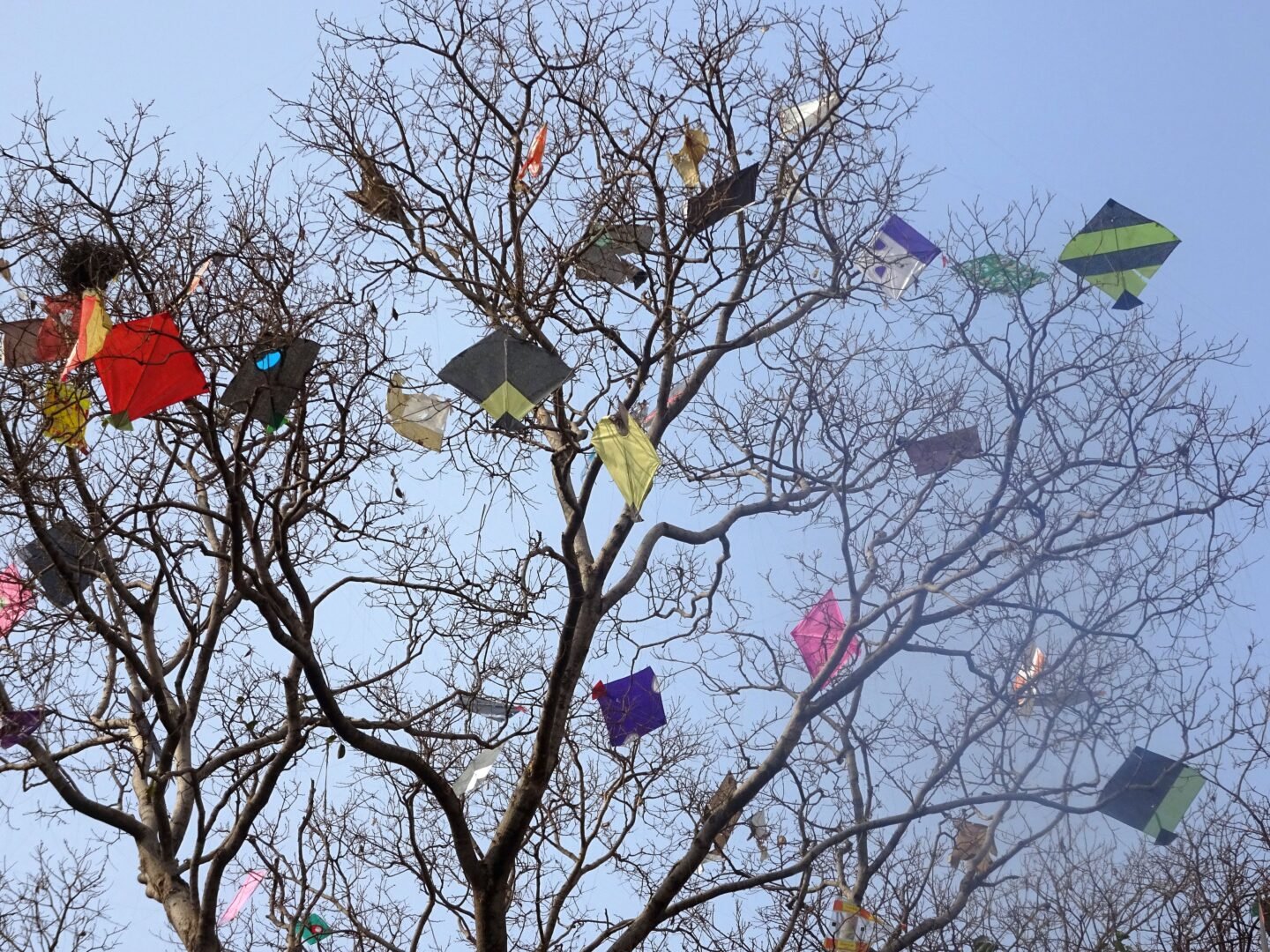
During the Mughal period, kite-flying was practiced at Sufi shrines and was a beloved and joyous activity for the people. This festival was also known as Sankranti in Gujarat, India. Apart from this, according to Lochan Singh Buxi, the Sufis of India embraced Basant in the 12th century to mark the dargah (grave) of Indian Sufi Nizamuddin Aulia, and the festival was known as “Basant Panchni.”
Before 1947, the Walled City of Lahore was the main palace where Basant was celebrated, and after partition, it was celebrated all over the city. However, the people of Lahore specifically enjoyed the activities of Basant, which was not a religious celebration but a cultural one. A few decades after 1947, the festival garnered more attention, attracted tourists, and became a mark of cultural traditions in Pakistan. People started traveling to attend it from all over Pakistan and abroad. In the 1980s, teams were also formed under the mentorships of “ustads.” The two main teams were Ustad Jalal and Khalifa Hazura.
Cultural Significance
The festival was significant in showcasing the culture of Pakistan, especially Lahore. Lahore, due to its architecture, holds historical significance, and Basant is a mark of culture. Foods such as lassi, chanay, paratha, and kebab introduced tourists to Punjab cuisine. The bhangra dance, performances, and horse riding were also important for the people of Pakistan to stay connected to their roots. There are very few festivals left in Pakistan that have been carried from colonial times, and Basant was a long-lasting one. It showed the culture of Punjab as well, the one with dance, music, and joy. This form of celebration is crucial in improving Pakistan’s international image. Basant embodied the vibrant shades of happiness in Pakistan, but after its ban in 2005, this joyous festival is now just a memory.
The Ban on the Celebration of Basant
As Basant is, in all its glory, a kite-flying festival, the competition turned brutal when rival teams and individuals started using kite strings coated with glass or even acid. This led to several casualties, including birds getting caught in the strings and motorcycle riders getting entangled and injured as a result. Hence, in 2005, the Supreme Court of Pakistan urged the state to ban the festival, kite-flying, and even manufacturing because it endangered public safety.
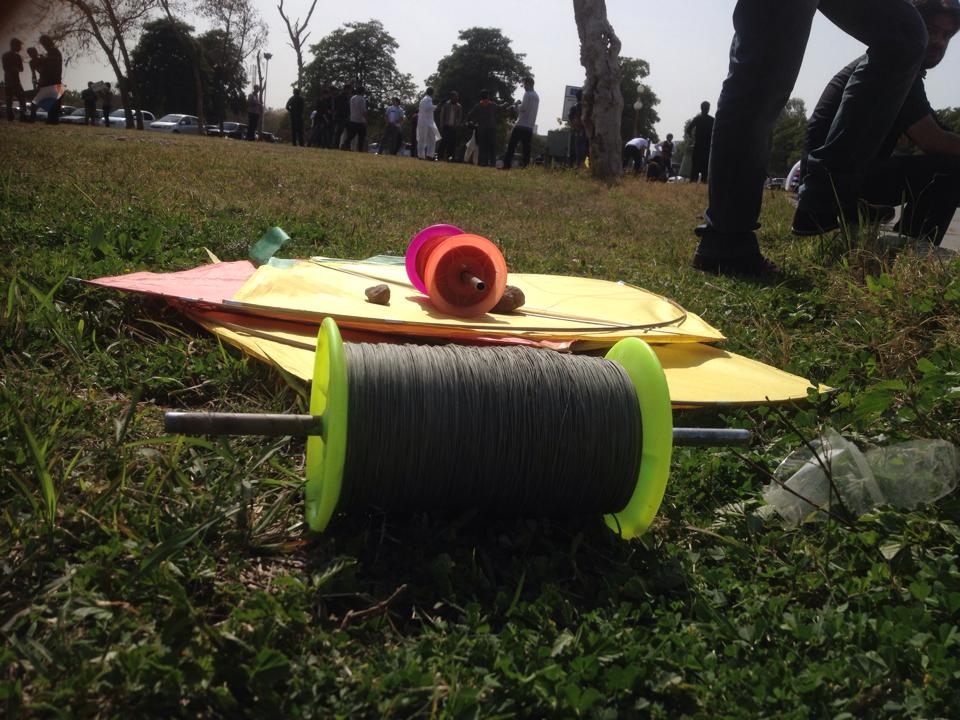
A formal ban was then imposed in 2007 under President Musharraf’s rule, then removed in 2009, and the ban was imposed again in 2009. Al Jazeera reported that teams of policemen patrolled to ensure that people did not fly kites on their rooftops. The people of Lahore and all those who have witnessed the joy of the festival still miss it, especially those whose incomes depended on selling kites and items used in Basant. Around 500,000 families were involved in the kite-flying businesses, and the ban on Basant led to the ruin of their livelihoods as well, and some families have still not recovered financially from it. If safety procedures are put in place, then the ban on Basant can be lifted, and the joy of spring can be brought back to the people of Lahore.
If you want to submit your articles and/or research papers, please visit the Submissions page.
To stay updated with the latest jobs, CSS news, internships, scholarships, and current affairs articles, join our Community Forum!
The views and opinions expressed in this article/paper are the author’s own and do not necessarily reflect the editorial position of Paradigm Shift.

Zara Zahid Khan is a law student at the Lahore University of Management Sciences. She is a freelance writer who enjoys writing about legal and political issues.