
Introduction
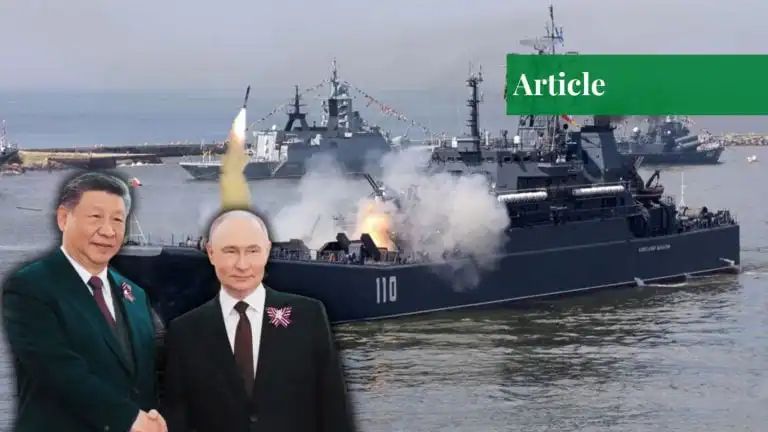
The joint missile defense exercises of China and Russia are a milestone in the development of the military alliance between the two countries. The China-Russia joint drills are not just tactical drills but strategic messages to transform the world security construct. The third wave of these exercises took place in December 2025, highlighting the entrenched nature of the no-limit partnership between Beijing and Moscow over the missile-defense capabilities and the growing power of NATO. This article examines the historical context, strategic motivations, operational details, and broader geopolitical implications of the China–Russia joint missile defense drills, with evidence drawn from credible defense and international relations sources.
Historical Evolution of Sino-Russian Military Cooperation
Since the 1990s, the course of Sino-Russian military cooperation has been characterized by progressive intensification. The interaction between Russia and China was initially based on the sale of arms and the transfer of technologies, where Russia supplied China with the latest systems like the S-300 and subsequently the S-400, which formed the basis of the modernization of the missile protection of Beijing. With time, cooperation was increased to include joint exercises such as the Peace Mission exercises under the Shanghai Cooperation Organization (SCO), which created a degree of familiarity with operations and trust.

Recently, the two armies have shown great interoperability with each other, as shown in the joint naval exercises in the Sea of Japan in 2025. It is against this background that the missile defense drills are not only a technical breakthrough but also the result of decades of convergence in strategy. The historical development of Sino-Russian military cooperation can be described as a gradual process of the transition between transactional relationships and strategic integration, with missile defense exercises being considered one of the milestones.
Strategic Motivations Behind the Drills
The common strategic interests behind the China-Russia joint missile defense drills include the strategic interests in US missile defense programs, which both states view as a threat to their nuclear deterrence programs. According to the Ministry of National Defense of China, the purpose of the exercises was to improve strategic coordination, which shows that Beijing would rather reinforce its defensive position against the capabilities of the US.
Russia, on the other hand, sees the missile-defense installations of NATO in Europe as disruptive to the power balance, which further justifies the necessity to fit in with China. The joint exercises are a symbolic response to dismiss American strategic dominance and to show that they are ready to coordinate their actions in response to perceived threats. The strategic incentives point to a Chinese-Russian overlap, which is rallied by a counter to the Western missile defenses.
Operational Details of the 2025 China-Russia Joint Drills
In December 2025, the third bilateral missile defense exercise, which was organized in Russia, demonstrated unprecedented systems and military compatibility of the two armies. The Chinese HQ-19 system, which is developed to intercept intermediate-range ballistic missiles, was tested, highlighting its increasing technological advances. Russia also incorporated its S-400 and S-500 forces into the drill, which tested the layered defense skills and showed its technological superiority in missile defense.
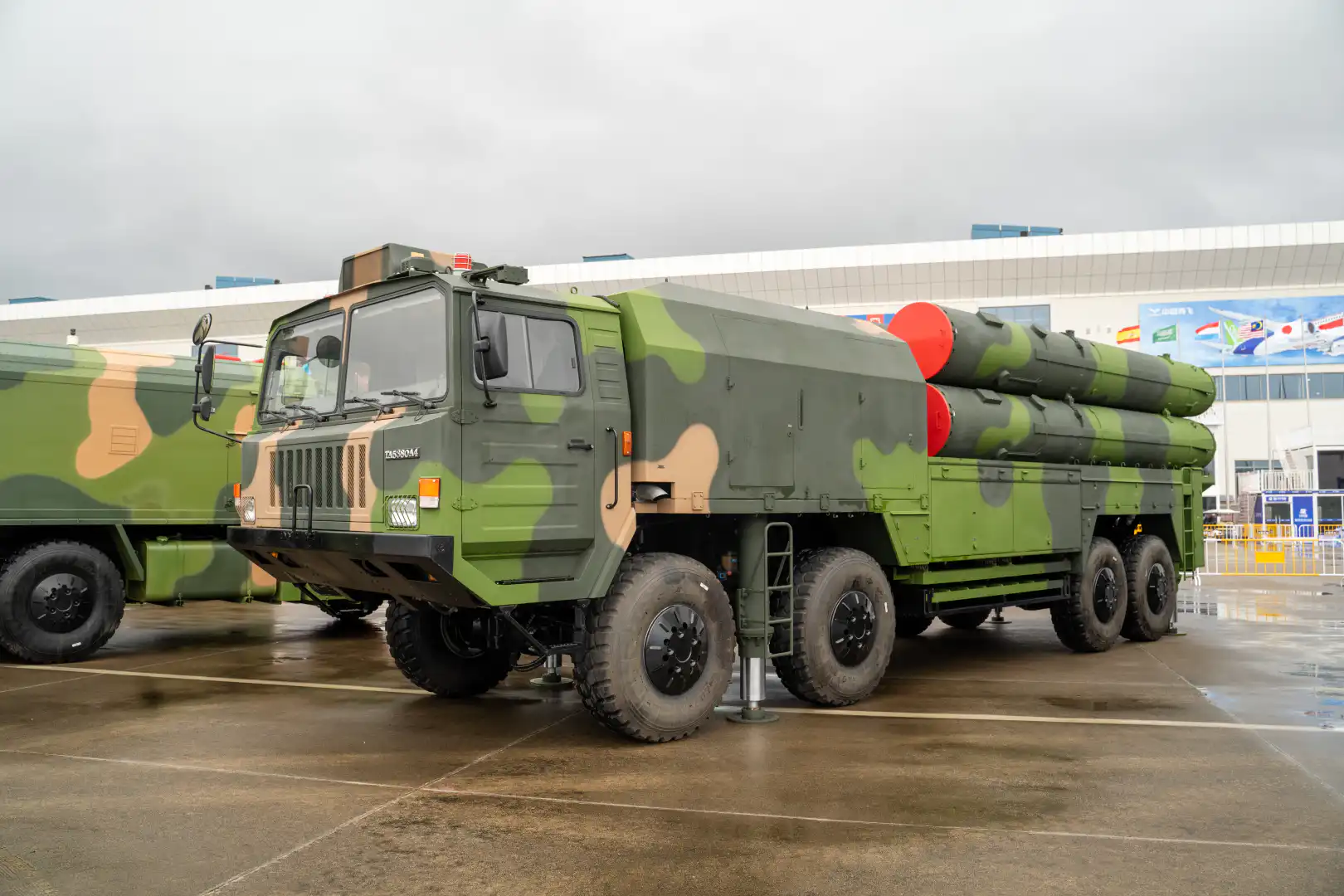
The China-Russia joint missile drills involved simulated detection, tracking, and interception of ballistic threats, which offered both parties a good operational experience. The technical sophistication of Sino-Russian collaboration, beyond mere empty gestures, to actual military integration is shown in the operational specifics.
Geopolitical Implications
The exercises possess significant geopolitical consequences, demonstrating to the world that China and Russia are ready to covertly threaten the US strategic supremacy. They highlight the emergence of a “no-limits” partnership that extends beyond rhetoric into concrete military collaboration. On a larger scale, the exercises serve to undermine the American unilateral power in world security relations, which supports the discourse of the multipolar world order. The geopolitical consequences go beyond bilateral cooperation and define the lines of strategic competition in the world.
Impact on US and NATO Strategy
The joint drills directly challenge US and NATO missile-defense strategies, compelling Western powers to recalibrate their approaches. The US officials have been concerned that Sino-Russian collaboration is hindering the stability of deterrence by making it difficult to plan its missile defense. The missile-defense systems installed by NATO in Europe are increasingly considered hackable, raising concerns about mutual countermeasures, which makes their use in a multipolar world questionable.
To this, the exercises could speed up the US attempts to build alliances in the Asian region, especially with Japan and South Korea, with Washington trying to counter the rising Sino-Russian alliance. It also has a major effect on US and NATO strategy, which will find it necessary to adapt to coordinated Sino-Russian action.
Regional Security Dynamics in Asia
The exercises also echo all through Asia, where the US’ partnerships and China’s ascendancy have crossed over. The exercises are perceived as a direct threat to the security of Japan and South Korea since they are dependent on the US missile-defense systems. As concerned as India is about the development of the Chinese military potential, it views the Russian balancing act with a sense of interest, realizing that Moscow can be a leading stabilizer. Southeast countries will view the China-Russia joint drills as a subset of an expanding game of power in the Indo-Pacific region, where great power politics are becoming more dominant. The ripple effect of Sino-Russian military collaboration is therefore increasing the influence of Sino-Russian military cooperation on regional security dynamics in Asia.
India’s Strategic Concerns over China‑Russia Joint Maritime Drills
India has been watching the growing naval cooperation between Russia and China with a mix of caution and concern. Their joint exercises in the Pacific and the Sea of Japan are seen in New Delhi not just as routine drills but as signs of a deeper strategic partnership that could shift the balance of power in Asia. Although India continues to value its defense ties with Moscow, highlighted by the INDRA‑2025 naval exercise in the Bay of Bengal, the closer alignment between Russia and China raises doubts about whether Russia can still play the role of a stabilizer in the Indo‑Pacific.
For Indian analysts, these drills signal China’s growing military assertiveness, which directly impacts India’s security interests in the Indian Ocean. In response, India has been strengthening its partnerships with the United States, Japan, and Australia through the QUAD, positioning itself as a counterweight to the emerging Sino‑Russian naval presence. This approach of keeping traditional ties with Russia while hedging against China’s rise reflects India’s careful balancing act in a region where great power competition is intensifying.
The Role of Technology and Innovation
The use of technology is the key element of exercises, indicating the intention of both countries to be innovative and modern. The HQ-19 system exhibits the expanded sophistication of China in the field of missile defense, which indicates its capability to grow into indigenous systems that can compete with Western systems. One of its strengths in the area of missile defense is its leadership in the technology of the S-500 system, which is a top-level air-defense platform. Cross-learning and technological benchmarking, as well as the integration of complementary systems, are opportunities offered by joint drills. The place of technology highlights that the drills are laboratories of innovation, which improves the defense capability of both countries.
Symbolism and Strategic Messaging
More than technicalities, the exercises are potent branding symbols of strategic messages. They are an indication of togetherness in the face of perceived Western encirclement and the story of a partnership that is both strong and well-planned. The practices show the willingness to organize the reaction to missile threats, and they exude the confidence of their synergies. Symbolism enforces deterrence by displaying unity, which increases the psychological effect of exercises on both enemies and friends. The exercises capture the spirit of pragmatic collaboration, as well as the symbolic resistance, which increases the strategic appeal.
Conclusion
The China-Russia joint missile defense drills are a landmark event in international security. They not only represent technical collaboration but also strategic congruence to transform the deterrent environment. These drills also indicate the beginning of the multipolar world order in which power would be contested by threatening the US dominance in missile defense. Their growing military partnership, including naval exercises, has sent ripples across Asia, forcing regional powers to rethink their strategies.
India’s measured response, sustaining defense ties with Russia while simultaneously strengthening its partnerships with the United States, Japan, and Australia through the QUAD, shows how the impact of Sino‑Russian cooperation extends well beyond great power rivalry, directly influencing the security dynamics of the Indian Ocean. Taken together, these developments highlight the reality of an emerging multipolar order, where shifting alliances and recalibrated strategies increasingly define the balance of power.
If you want to submit your articles and/or research papers, please visit the Submissions page.
To stay updated with the latest jobs, CSS news, internships, scholarships, and current affairs articles, join our Community Forum!
The views and opinions expressed in this article/paper are the author’s own and do not necessarily reflect the editorial position of Paradigm Shift.

Manahil Tariq Manj is a student of defence and strategic studies at Quaid-i-Azam University, Islamabad. She has previously interned at the Ministry of Defence (MOD) and is currently interning at the Ministry of Foreign Affairs, Islamabad. Her research interests include conventional and hybrid warfare, strategic deterrence, military diplomacy, regional conflict dynamics, and evolving doctrines of modern warfare.