

Why the CSS Exam Remains a Popular Career Choice in Pakistan
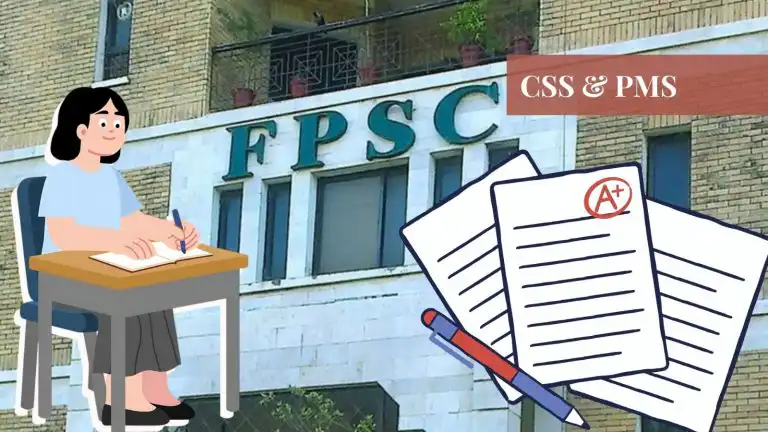
The Central Superior Service (CSS) exam is one of the most challenging examinations in Pakistan. The CSS exam is conducted in February every year by the Federal Public Service Commission (FPSC) nationwide to recruit bureaucrats. Thousands of aspirants appear in the CSS examination every year due to low job opportunities and the increasing hype of the services created by some CSS officers and CSS academies. In a time when Pakistani youth face the challenges of unemployment and inflation, they consider CSS a safe way and a shortcut to achieve their ambitions and financial stability.
How Changing the CSS Written Exam Paper Pattern is Causing Difficulty and a Low Success Rate
However, the CSS exam has always been highly challenging for aspirants. Most CSS aspirants prepare for the exam for the whole year, as the syllabus of the compulsory and optional subjects is lengthy. Out of thousands of CSS aspirants who appeared in the written part of the CSS exams, only 2.5 to 3 percent of candidates pass the exam. The past aspirants then have to pass an interview to get allocated to the Civil Services. Over the past 4 to 5 years, the CSS has been glamorized by some CSPs. Their focus on social media has made them celebrities. Some CSPs have been observed promoting different products in their PR campaigns on social media forums.
Impact of Social Media and Rising Unemployment in Pakistan on CSS Aspirants
The growing social media presence of CSPs, coupled with the surging unemployment rate in Pakistan, has shifted the focus of many young people from joining the private sector to aspiring to become a bureaucrat. However, it has been observed that the CSS exam is becoming more challenging every year due to the changing exam pattern and lengthy CSS syllabus. The FPSC has changed the pattern of the CSS exams in the past few years. The evolution of technology and easy access to the internet have further increased the challenge for the CSS aspirants.
Changing the CSS Written Exam Paper Pattern: From Predictable to Analytical
In the past, the FPSC’s CSS exams for many subjects revolved around some specific domains. For instance, the English essay exam mostly included topics related to education, terrorism, tourism, gender issues, technology, and the environment. Similarly, the Pakistan Affairs paper also had a set pattern, as at least one or two questions related to the pre-independence era were asked. This made the CSS papers predictable to some extent. However, in the past few years, the pattern of the CSS exams has totally changed, making it difficult for CSS aspirants to pass the written exam.
Now the CSS exams have become highly unpredictable. Moreover, the nature of the CSS examinations has also changed for both compulsory and optional papers. In the past, most of the questions asked in the CSS exams were descriptive in nature. However, in the past few years, it has been observed that the FPSC examiners like to gauge the analytical skills of the CSS aspirants. Therefore, they mostly ask analytical questions to the aspirants. This changing nature of the CSS exams has been especially observed in the English essay exam. Unlike the past, the English essay paper now mostly comprises analytical topics. Similarly, the Pakistan Affairs and Current Affairs papers also do not consist of the previously predictable pattern. Now, most of the time, the FPSC examiner asks questions related to the current engagements of Pakistan. However, this change of pattern is not limited to compulsory subjects only.
How to Prepare for CSS Compulsory and Optional Subjects in the Modern Era
In addition, the FPSC has changed the nature of the questions asked in different compulsory and optional subjects: political science, public administration, sociology, criminology, and international relations. Most of the questions asked in these exams are of an analytical nature. This makes the exam much harder for aspirants who rely on merely cramming facts and figures. The CSS aspirants now need to analyze different topics from different aspects. For this, they need to consult books and opinions written by intellectual philosophers and scientists. They also need to learn the technique of writing unbiased. Therefore, aspirants must:
- Develop critical thinking skills
- Study diverse perspectives
- Read journals and expert opinions
They also need to consult different opinions written by people from diverse fields on forums like the Paradigm Shift. This would broaden the vision of the CSS aspirants. Moreover, they should consult magazines such as Foreign Affairs, Foreign Policy, and The Economist to enhance their vocabulary, improve sentence structure, and broaden their understanding of various issues and topics. However, this does not mean that cramming facts and figures is not important for CSS exams. It provides leverage to the students over the others, as it is a competitive exam, and also helps them analyze a topic effectively.
Aspirants also need to consult past papers, particularly from 2020 to 2026. Moreover, they need to bear in mind that CSS compulsory papers and optional papers carry equal importance. Therefore, they must allocate proper time to all the subjects during CSS preparation. Attempting past CSS question papers is essential to outshine others in the final written exam. Moreover, aspirants also need to give appropriate time to MCQs for the CSS MPT exam. Although the changing paper format has made the written exam more challenging, the aspirants must remember that attempting past papers is still helpful to effectively tackle the new CSS exam paper pattern. Moreover, the aspirants need to consult the recommended books available on the official website of the FPSC.
If you want to submit your articles and/or research papers, please visit the Submissions page.
To stay updated with the latest jobs, CSS news, internships, scholarships, and current affairs articles, join our Community Forum!
The views and opinions expressed in this article/paper are the author’s own and do not necessarily reflect the editorial position of Paradigm Shift.

Mr Abdullah Nisar holds a degree in Journalism and Mass Communication from International Islamic University Islamabad. He is currently working as a freelance journalist.