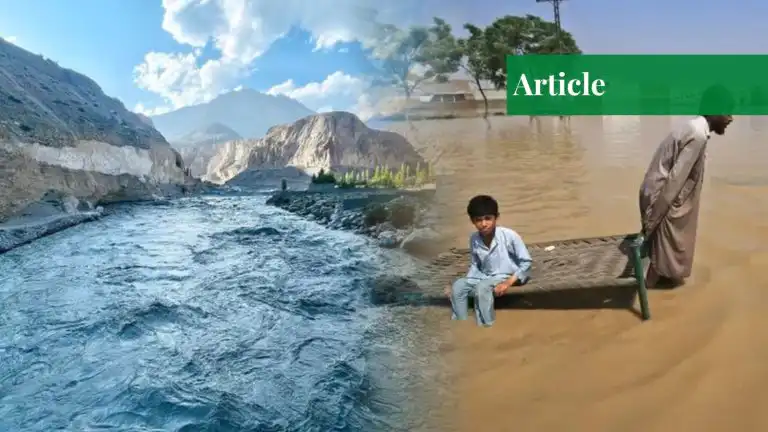

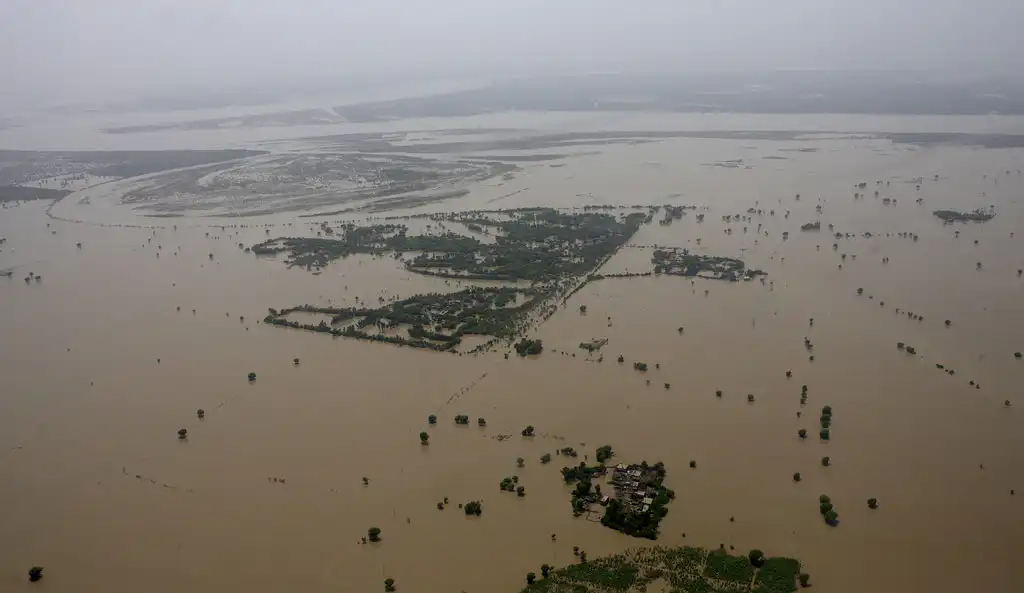
Environmental Insecurity has become an immediate national threat to the northern regions of Pakistan. Gilgit and Khyber Pakhtunkhwa, admired for their breathtaking landscapes, beautiful mountains, and pristine rivers, are now observing unprecedented hydrological instability. Consequently, leading to floods that are frequent, destructive, and gradually man-made. The northern regions have now become some of the most vulnerable environments in South Asia as a result of rapid climate change, unregulated development, and policy neglect. It is apparent that if this crisis is not dealt with promptly, it will become an environmental threat for Pakistan, not just the northern regions.
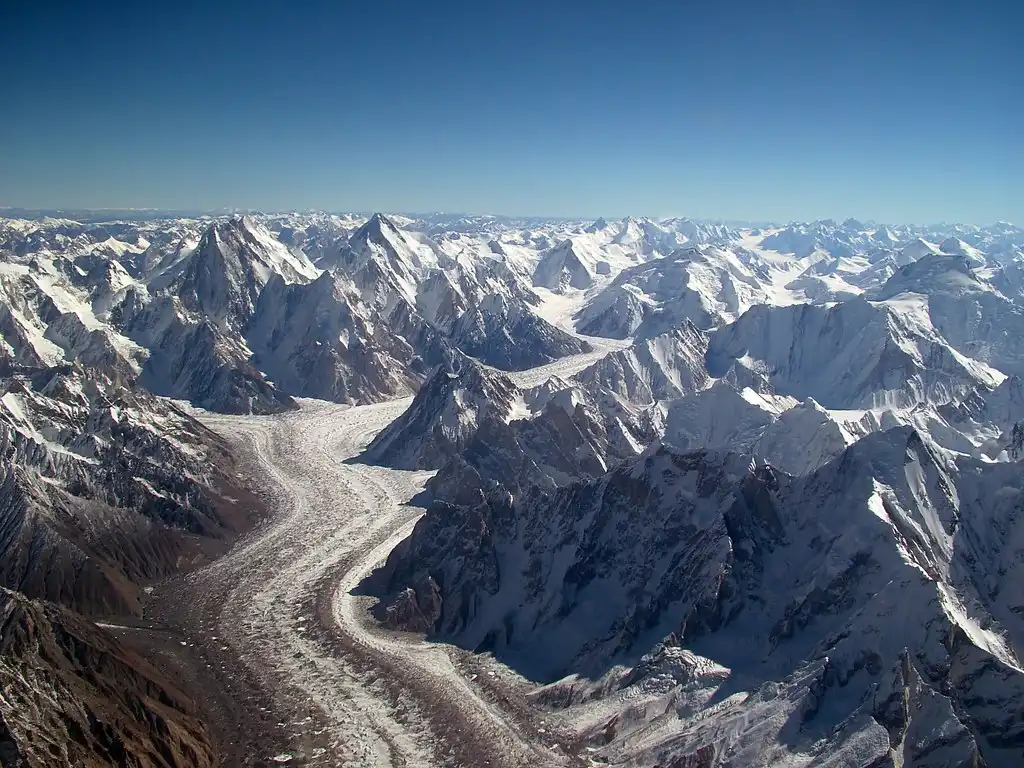
Climate change is not a distant threat, but it is unwinding in the northern mountains of Pakistan in the most horrible way possible. The Hindu-Kush Himalaya (HKH) is also referred to as the “Third Pole“ for containing a large reserve of ice outside the polar regions. These glaciers are melting at an alarming rate due to the rising global temperature.
Rivers that were once used to flow steadily are now experiencing violent surges. Floods are triggered when the mountains are overwhelmed by the melted glaciers. Most of the time, in valleys, the water levels are rapidly increasing, so the people living there don’t have enough or very little time to respond. The predictable seasonal meltings have transformed into chaotic, erratic monsoons, displaced weather patterns, and extreme events resulting in hotter summers. These factors alone have dire consequences to strain the region, but human activities have evolved this crisis into a far more destructive force.
Flooding Beyond Nature
Induced floodings are not merely “natural disasters,” but they are triggered and worsened because of human actions. In northern Pakistan, human activity has increasingly burdened its delicate landscapes. Roads are built on unstable mountain slopes without proper geological assessments, and hydropower tunnels are drilled deep into already fragile terrain. Construction projects, hotels, and waste dumping have narrowed riverbeds. Even minor alterations in these tight valleys can redirect water flow and intensify its force during peak melt and rainfall seasons.
Communities, with limited land and pressured by the growing population, have moved to dangerous areas near rivers and below unstable glaciers. When a glacial lake suddenly bursts, the water flow cuts through these settlements. What could have been a manageable overflow turns catastrophic because the environment can no longer absorb or cushion the impact. In most watersheds, deforestation has removed natural defences, i.e, forest roots, healthy soil, and vegetation that once slowed and absorbed water.
These practices reveal a bigger problem: development without environmental assessments. Infrastructure and economic projects are often carried out without proper ecological evaluations, ultimately worsening climate impacts rather than reducing them.
Rising Threat of GLOFs
Glacial Lake Outburst Floods (GLOFs) are another dangerous outcome of environmental insecurity in the north of Pakistan. As the temperature increases, glaciers melt rapidly, creating fragile lakes formed of ice, mud, or debris. These lakes are so weak that even minor disturbances such as extreme heat, heavy rainfall, or falling rock can shatter these natural barriers and unleash volumes of water into the narrow valleys within a short span of time.
In recent years, many areas like Chitral, Ghizer, Shimshal, and Bagrot have faced various GLOF incidents. Roads, agricultural fields, bridges, water channels, and entire settlements have been affected by these floods. Such incidents mostly take place at night, leaving residents with little or no time to escape. What is most concerning about GLOFs is that they are not only becoming more recurrent but also increasing in severity. Climate forecasts suggest that as the temperature increases, more glacial lakes will form, increasing the risk to high mountain communities.
Governance Failure and the Human Cost
Environmental insecurity in northern Pakistan is not only accelerated by climate change but also by the government’s policy failures. Disaster management takes on a reactive approach rather than preventive: poorly maintained early warning systems, often limited, are unable to reach isolated valleys. In spite of agencies keeping a track on glacial lakes, the poor coordination with local authorities leads communities to seldom get alerts on time, leaving them exposed to dangers that could have been minimized.
The struggle of high-risk communities clearly illustrates these shortcomings. Families in Chitral, Hunza, and Ghizer are displaced frequently due to reconstruction ignoring environmental guidelines. Development projects proceed without any geological assessments, such as roads cut into unstable slopes and homes being built in riverbeds, thus reenacting the same hazards. When floods hit, people lose homes, livestock, and generational assets.
With minimal assistance from the governments, out of helplessness, locals are forced to lead their own rescue operations, clear debris, and make an attempt to rebuild their homes. Their hardships highlight a larger governance failure characterized by poorly regulated, weak planning, and short-sighted strategies to long-term threats.
Environmental Insecurity As A National Threat
Environmental insecurity in the northern regions is not just a local issue, but it directly threatens national stability. The glaciers of Chitral and Gilgit-Baltistan constitute the main water source for the Indus River, the foundation of Pakistan’s agriculture, drinking water supply, and hydropower generation. When rivers become unstable or glacial lakes burst, the impacts travel downstream, crops are damaged, irrigation supplies are reduced, and energy production is interrupted.
On the other hand, the economic consequences are just as serious; roads in the Karakoram Highway are destroyed, straining public resources and isolating trade. Frequently displacing communities further pushes mountain populations towards major cities, adding pressure on basic services like housing and jobs. If these environmental risks keep on intensifying, Pakistan will face rising social stress, instability in energy and food systems, and mounting economic damage, turning a local problem into a nationwide threat.
The Way Forward
Addressing this growing threat of induced flooding in northern Pakistan calls for a shift from short-term relief to long-term resilience. Moving forward, the national priority should be modernizing the early warning systems and ensuring they reach remote settlements. Similarly, all development projects should strictly undergo Environmental Assessments, which shouldn’t be ignored. Furthermore, climate-resilient infrastructure, such as safe housing areas and strengthened riverbanks, is essential for the safety of vulnerable communities.
Planning should also be integrated with local knowledge, with support from trained community teams that can act before calamity escalates. Ultimately, climate adaptation mandates sustained and consistent budget funding instead of occasional emergency funds and ad-hoc fixes. Without reliable investments, the cycle of destruction will never end.
Conclusion
Environmental Insecurity in Northern Pakistan has escalated into a national crisis, and ignoring this reality any longer is recklessly shortsighted. The intensifying of GLOFs, infrastructures collapsing, and frequent displacement of communities are not just remote incidents; they are alarming signals towards a future that our country cannot afford. These catastrophes expose the outcome of the incompetence of a government and many years of environmental neglect.
If the policymakers continue to show ignorance and treat climate threats as a secondary issue, the repercussions will be irreversible. Pakistan now stands at a pivotal turning point. The country must act on climate resilience with utmost seriousness and reliability, or face a scale of instability that an emergency response can undo. The time for delay is over.
If you want to submit your articles and/or research papers, please visit the Submissions page.
To stay updated with the latest jobs, CSS news, internships, scholarships, and current affairs articles, join our Community Forum!
The views and opinions expressed in this article/paper are the author’s own and do not necessarily reflect the editorial position of Paradigm Shift.

Roman Shireen is an undergraduate student of international relations with an interest in international and current affairs. Their areas of focus include global politics, foreign policy dynamics, and contemporary international developments.