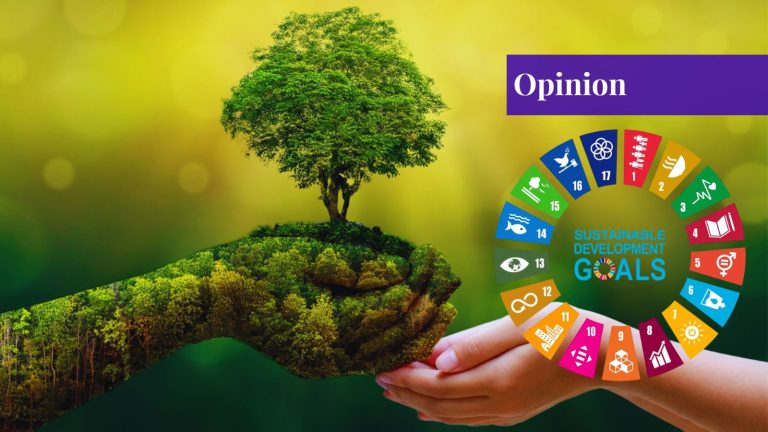

Did you know that everything from housing to the cost of living, and your job could improve dramatically if we meet these 17 global goals by 2030? Does that sound like an exaggeration? Well, you may not have heard of them, but they are the Sustainable Development Goals. So, what is the history of the SDGs, and how can they make your everyday life better?
The Story
Let’s go back. In 2015, something incredible happened. Every country in the world, including Pakistan, agreed and signed on to the Global Goals Plan to be completed by 2030, a sort of To-Do List of the world’s most pressing problems. The goals tackle huge problems: poverty, hunger, gender equality, clean water, education, and climate change. Each goal includes specific targets, so it’s not just talk and presentation, but a universal framework for action. They are the result of a huge consultation exercise, and they are what we, as humanity, want to achieve.
This plan directly affects you and others. It quietly influences the cause of any financial decisions made by Pakistan and other countries worldwide. It is behind recent grants on homes, free school meals, clean energy, and could even change the future of your job.
The truth is that these SDGs affect us all. Economic shocks, climate change, conflict, and poverty in the world absolutely affect us here. So, if we work on these goals, we all win.
Goal 13: Climate Change
Nowadays, climate change is everywhere. It isn’t a simple term or theory; climate change is all around us. It contributes to every SDG. Causes of poverty (SDG 1)? Increasingly intense weather caused by climate change. Health problems (SDG 3)? The effects of climate change cause increased disease. Steps to combat this include smart farming: think resistant crops and organic fertilizers. In Norway, eight out of 10 cars shipped are electric or hybrid, showing Norway’s efforts to combat climate change.
The fact that Goal 13 has links to many problems also means that fixing it provides huge advantages for all of us. Cleaner air means better health. Warm, efficient homes lead to cheaper bills and less reliance on expensive imported fossil fuels, which, as we have experienced, are vulnerable to sudden global events and volatile supply chains.
Our actions against climate change have created a ripple effect on those most affected by it. Pakistani citizens have taken significant steps in this goal. This is evident in the Pakistani solar boom of 2024–25, when people, recognizing the financial benefits of solar panels, began adopting them on a large scale. Although this was not motivated by climate change, it certainly did help in the fight.
Actions are needed to combat climate change and its adverse impacts on human lives and livelihoods by controlling GHG emissions, as well as emissions from the combustion and oxidation of fossil fuels and cement production. While Pakistan’s carbon emissions from fossil fuel combustion are lower than those of India and Indonesia, further reductions are necessary to minimize the carbon footprint. Embracing green energy can significantly reduce carbon emissions and pave the way for a sustainable future.
Can We Do It?
As of right now, things are not looking great. By 2030, we are on track to only meet 15% our goals. 35% of countries have stagnated or are in stages of regression, which, unfortunately, includes Pakistan. Only 18% of countries are on track to meet their goals. The SDGs were also buffeted with multiple issues, including conflict, the COVID pandemic, and the climate crisis.
The Inability of Our Country
Despite contributing to less than 1% of GHG emissions, climate damages alone cost Pakistan 1% of its GDP annually, which is around 4.1 billion US dollars. High economic costs render Pakistan nearly unable to complete most of its SDGs, along with recent political matters. “The focus must now shift to mobilizing available financing and developing investable projects,” Aurangzeb, the Federal Minister for Finance and Revenue, said, adding that the private sector has a critical role to play not only through capital, but also through innovation and technical expertise.
What Can We Do?
Here’s the good news: Nothing is set in stone. We just need to act. Fast. If fully delivered, Pakistan can cut its penalties with its NDC 3.0 plans, and other countries are showing us what works. Rwanda is practicing smart farming to boost its exports and follow the SDGs. Poverty, a severe issue in the country, can be solved by looking at Denmark’s social welfare system and income equality. We have the solutions. We just need to act. Remember, we don’t need to reinvent the wheel. We just need to play our part. Use less energy. Support businesses that care about sustainability. Talk about the SDGs, whether it be to a friend or a teacher. But most importantly, hold your leaders to account.
After all, the SDGs are a promise to our future generations. They link our daily lives with the bigger picture. They are a fairer, sustainable, and better world for us all. We still have a choice to save the planet and our pockets- but time is ticking.
If you want to submit your articles and/or research papers, please visit the Submissions page.
To stay updated with the latest jobs, CSS news, internships, scholarships, and current affairs articles, join our Community Forum!
The views and opinions expressed in this article/paper are the author’s own and do not necessarily reflect the editorial position of Paradigm Shift.

Student of The City School, Prep III C.