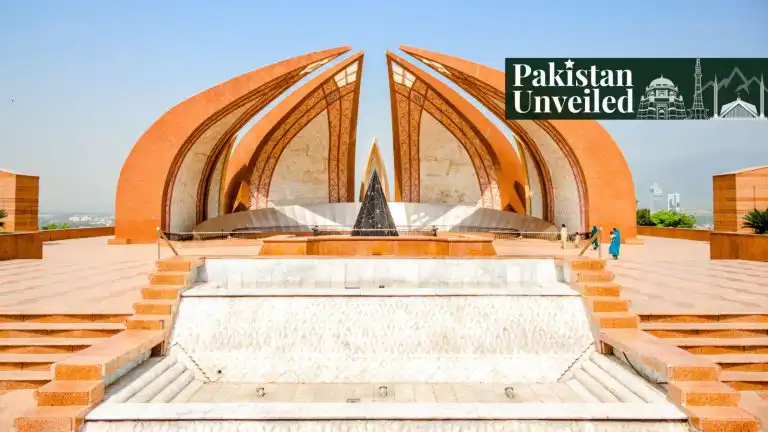

The Pakistan Monument, which is located on the top of the western slopes of the Shakarparian Hills, is a conclusive architectural icon in the architecture of Islamabad. Not only a panoramic perspective, but also an enormous symbolic portrait of national integration, this granite wonder is a representative of the rich cultural fabric of a nation that was made strong and sacrificed to survive. Ever since its opening in 2007, the monument has turned into a tourist attraction both among domestic and foreign visitors to the country, and provides a meditative space that reflects the balance between the ancient legacy of Pakistan and its present state of ambitions.
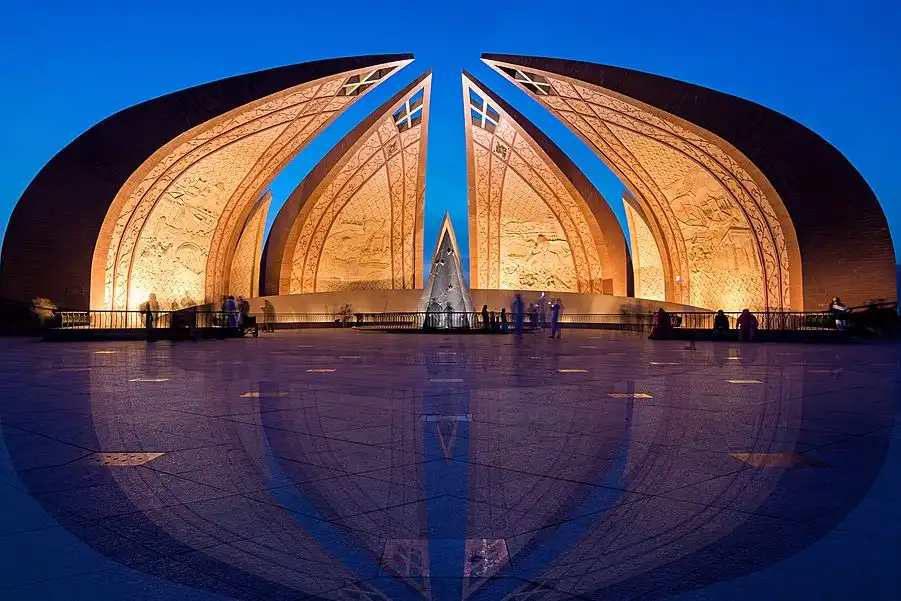
In addition to its spectacular outline, the complex is equipped with a heritage museum of high standards, where the tough path to independence is recorded. The combination of traditional Mughal designs with modern structural engineering is used to mark those who sacrificed their lives for the future of the country with the monument. Be it considered as an artistic genius or as a treasure of national heritage, the Pakistan Monument is a must-visit place where anyone wishes to know the heart of the nation.
It is one of those special spots where the study, the dates, and the terms of architecture do correspond with the impression you get when you stand there.
Pakistan Monument Architecture: The “Blooming Flower” That Unites a Nation
The shape of the Pakistan Monument architecture is the first thing that catches your attention. At a distance, it resembles a flower blossom to the sky. It is not merely a matter of aesthetics in that the design is a huge composition of geometry. You should see it as viewed with a drone; the entire plaza is a star and a crescent, the same as our flag!
It is interesting how the architect Arif Masoud combined contemporary engineering and Mughal tradition. He applied the idea of Muqarnas, that ornamental, structural vaulting you find in old mosques, and then modernized it with granite that was brought in all the way from Brazil.
Decoding the Petals: More Than Just Stone
The petals were mere display, but they do have a lot of cultural substance. Going up to each of them and understanding how much thought had been put into this.
- The Big Four: There are four large petals. These are the four major provinces: Punjab, Sindh, Baluchistan, and Khyber Pakhtunkhwa. They are standing tall, representing the power of the major cultures.
- The Small Three: The three smaller petals in between are the Gilgit-Baltistan, Azad Jammu & Kashmir, and the Tribal Areas.
To be inside those petals is like being embraced by the history of the whole nation. These beautiful murals on its inside walls are carved and painted by hand and depict the Lahore Fort, Khyber Pass, and Minar-e-Pakistan. It is a literal salute to those who made this country.
Pakistan Monument History: A Journey of Toil and Vision
It wasn’t just built on a whim. In 2002, the government was interested in a symbol of unity that would rival the great monuments of the world. They hosted a prestigious national contest under the auspices of the Pakistani Council of Architects and Town Planners.
With 21 strong entries, Arif Masoud was the lucky person who had the vision.
The Timeline of Construction:
- The Concept (2002): The concept came about to build a National Monument in the midst of the new capital.
- Foundation Stone (May 25, 2004): The construction on the rocky land of Shakarparian started.
- Completion (2006): The shaping of the granite and marble was done through hard work, which required approximately two years.
- The Big Launch (March 23, 2007): It was officially opened on Pakistan Day by the then-President Pervez Musharraf.
There is a little detail most people do not notice: Architect Arif Masoud made the handprints of the construction workers on the Freedom Plaza wall. It is a means to celebrate the today they sacrificed for our tomorrow.
The Pakistan National Monument and Heritage Museum Experience
Do not simply take selfies at the monument and go! The Pakistan Monument Museum (or, as it is also known, the Heritage Museum) is located horizontally adjacent to it, and, frankly, it is an experience of world-class.
The museum narrates our story through the use of wax statues and dioramas. The Quaid-e-Azam Muhammad Ali Jinnah and Fatima Jinnah statues are so lifelike that it feels like they might start talking.
What you’ll find inside the museum wings:
- The Ancient Origins: History leading to the Indus Valley civilization and Mehrgarh. It demonstrates that we have thousands of years old roots.
- The Arrival of Islam: Expositions of the power of Sufis and the arrival of Muhammad Bin Qasim.
- The Freedom Struggle: An emotional, soul-searching plunge into the Partition of the year 1947, the Pakistan Movement, and the sacrifices made by our forefathers.
- The Library and Archives: A place where true lovers of history can sit down and browse the ancient writings and photographs.
Plan Your Trip: 2025 Pakistan Monument Ticket Price & Timings
No one wants to go all the way up the hill only to discover that the gates are closed or the prices have been altered. According to the existing 2025 statistics, this is what you should know.
Current Ticket Prices (Estimated)
| Category | Ticket Price (Approx) |
| Local Adults | PKR 150 |
| Students (with ID) | PKR 80 |
| Foreign Tourists | PKR 1,000 |
| SAARC / ECO Delegates | PKR 600 |
| Children (Under 7) | Free |
Note: There is a normally different, and very insignificant charge to the Museum entry, as opposed to the Monument grounds.
Timings and Best Schedule
- Operating Hours: 10:00 AM – 8:00 PM.
- Weekly Holiday: Some government places remain closed on Mondays; it is recommended to check before leaving your house.
Best Time to Take Pakistan Monument Photos
- The Golden Hour: To get the best Pakistan monument photos, reach there just before the Maghrib (depending on the season). The Margalla Hills, with the sun setting in the background, illuminate the petals of granite in a manner that makes them appear to be glowing internally.
Is it Worth the Hype? Addressing the Criticisms
Even in previous years, individuals have decried the Pakistan Monument’s history of bad maintenance. As observed by some visitors, the fountains are not always running, or some tiles need to be repaired. In 2004, there was a little political noise regarding the cost of construction (at 580 million PKR).
But the cost is not wasted when you stand in the middle of that marble platform and look up at the great petals. It is already a money-making location, and it is one of the few spots in the city that actually seems national.
Tips for Your Best Visit
There are some tricks on how to visit this place:
- Shoes: You will be walking considerably over the rocks and steep terrain. Wear comfortable shoes!
- Photography: A wide-angle lens will work best if you are a professional photographer and know how to click the best cinematic shots and get the best shots of all petals.
- Respect the Space: It is a monument to martyrs. It is a nice photo point, but it is always good to be quiet and not to disturb the murals of the guards and other people who visit it.
- Weather Check: Islamabad may become rainy very quickly. The entire monument is outdoors, so a downpour will cut your trip short, but the museum right next door can be a very nice place to take shelter during a downpour.
The Pakistan Monument is Islamabad’s Soul
Drive up to the Pakistan Monument if you feel overpowered by city life. You can see how much beauty and history we have packed into one capital city as the Margalla Hills form the horizon, and the Faisal Mosque can be seen in the distance.
The Pakistan monument’s history and architecture convey the idea that we are all part of the same flower, even though we don’t speak the same language and come from various backgrounds and provinces. It’s our struggle, our growth, and our fate. The Pakistan Monument is always striking, whether it’s because of its architecture, history, or just a stunning Instagram picture.
If you want to submit your articles and/or research papers, please visit the Submissions page.
To stay updated with the latest jobs, CSS news, internships, scholarships, and current affairs articles, join our Community Forum!
The views and opinions expressed in this article/paper are the author’s own and do not necessarily reflect the editorial position of Paradigm Shift.