


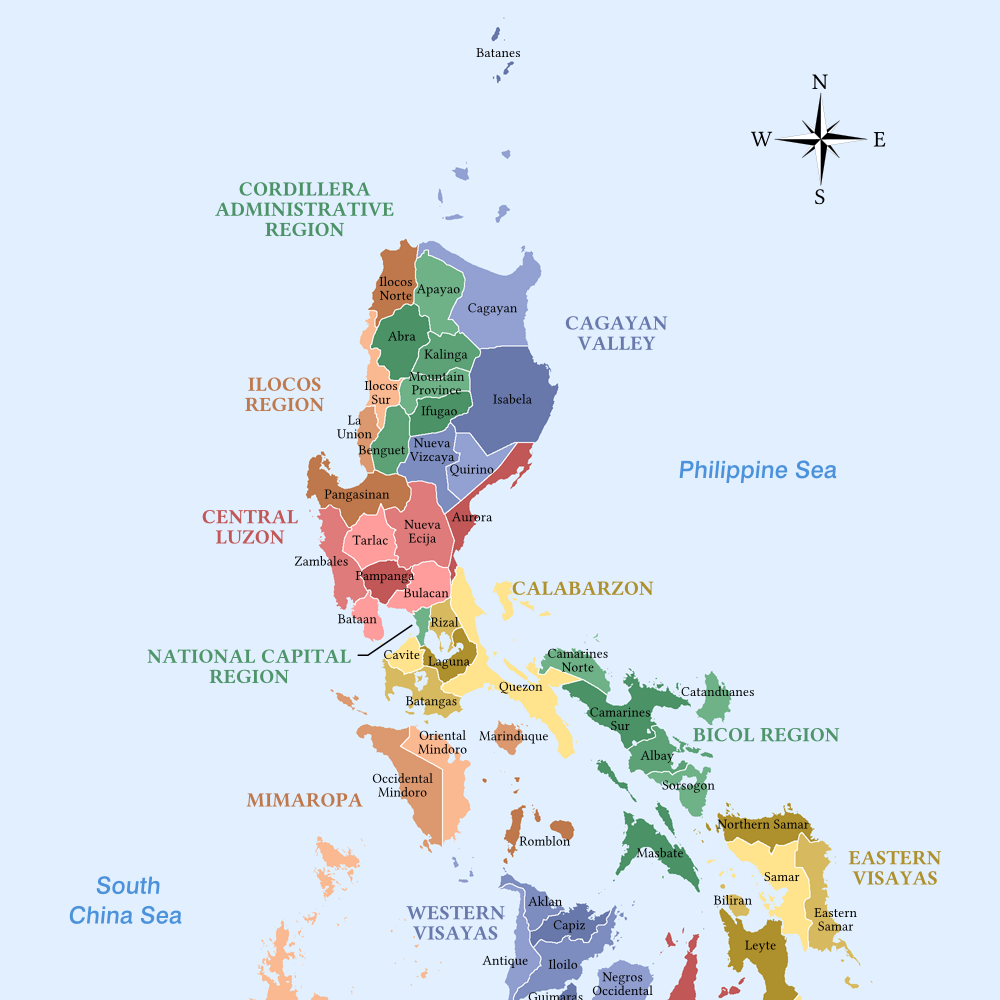
The South China Sea continues to harbor significant geopolitical tension, with China aggressively challenging the sovereignty of the Philippines and regional stability. The contest centers on Scarborough Shoal, a disputed group of islands and rocks located within the Philippines’ exclusive economic zone (EEZ), which is further complicated by China’s 9‑dash line claim as evidenced in historical documents. This uncertain situation raises a critical question: is China pushing the Philippines to its limit?

The Conflict
Understanding the history is fundamental in addressing the current crisis. The standoff at Scarborough Shoal in 2012 was the turning point as China established de facto control over it, despite the Permanent Court of Arbitration (an intergovernmental organization that resolves international disputes) deciding in favor of the Philippines in 2016.

Violation of international law, along with the deployment of China’s largest coast guard vessel called “monster ship” 70-90 nautical miles near Zambales province reflects a bigger picture of Chinese assertiveness. The presence of a PLA Navy helicopter patrolling in the Philippines’ EEZ serves to further emphasize China’s willingness to take the conflict to the next level.
Enhanced security cooperation among the Philippines, the US, and Japan, including trilateral dialogue, the General Security of Military Information Agreement (GSOMIA), and increased access to Philippine military bases, reflects a strengthening regional alliance aimed at containing China. According to Thucydides’ trap, there is a likelihood of conflict occurring when a dominant and established power (the US) is faced with a rising power (China). To limit the probable risk, the US engages regionally with China and other local players. But complicating the matter and adding another dimension to already complicated dynamics is the U.S. commitment to the region, criticizing China for violating its non-militarization pledge for artificial islands constructed under the 2015 talk with Obama.
The Economic Factor
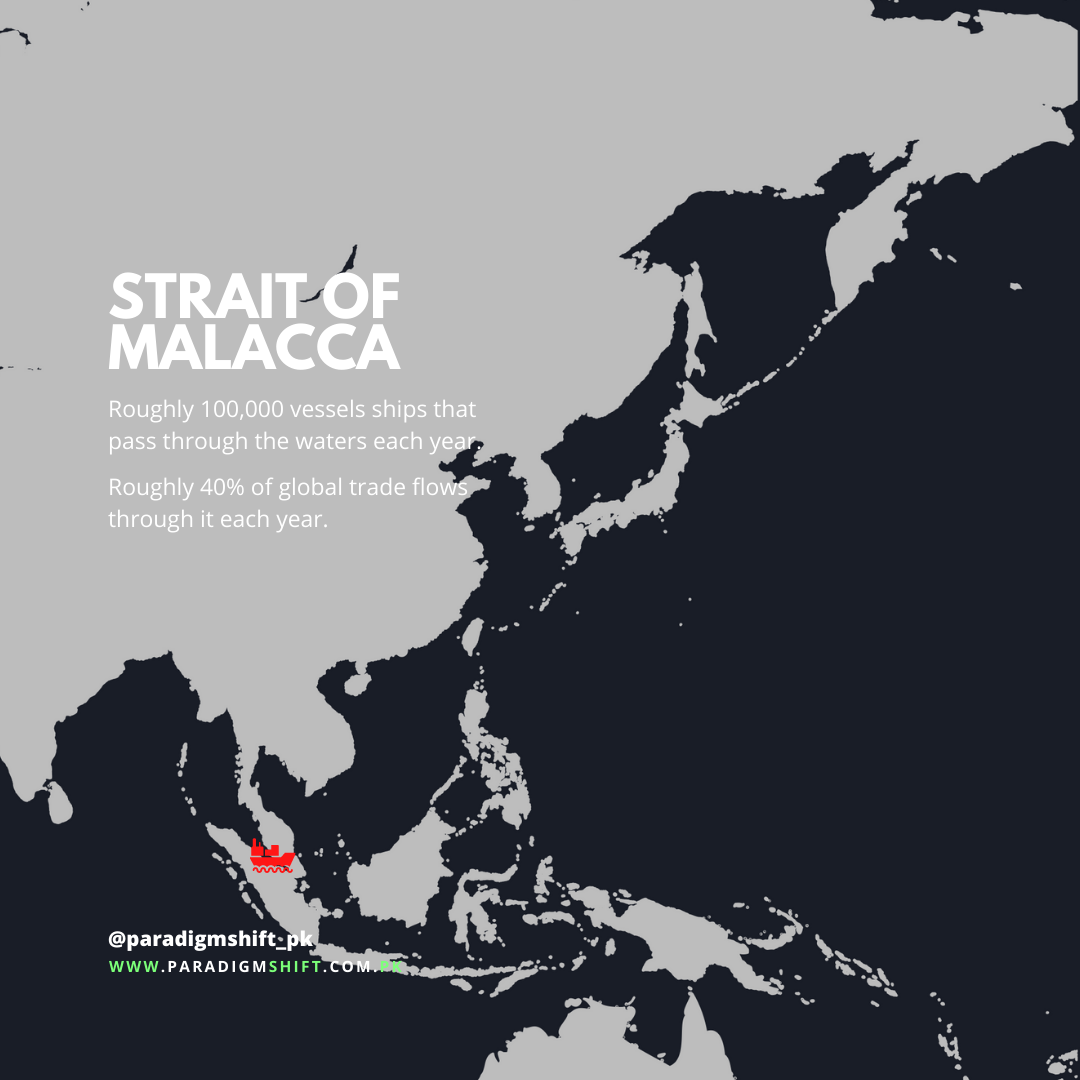
Economic stakes cannot be ignored. The South China Sea encompasses major international shipping routes, such as the Malacca Strait, and supports trade estimated at 3.37 trillion dollars. Moreover, the region is believed to hold large reserves of oil (11 billion barrels) and gas (190 trillion cubic feet) and is home to rich fishery resources, all of which are contested by China’s expansive claims. China, however, considers the South China Sea to be part of its internal waters.
For the Philippines, the economic implications are severe as its fishing industry and potential access to these resources are jeopardized by China’s actions. This economic vulnerability further underscores the instability of the Philippines’ position. Recently, China cautioned the Philippines against bringing the case to PCA and instead wants it handled as a bilateral issue The Philippines and China have decided to increase maritime cooperation and seek peaceful means in the South China Sea region in spite of existing conflict.
Philippines: Stuck in the Middle of a Power Struggle
US-China competition or rivalry is central to the assessment. However, regional states like the Philippines may also be equipped with geopolitical effects that need more understanding. China’s expansionist policies have made ASEAN countries create a multipolar world by ushering in diplomacy to solve the problem. The article points out the US-Philippines bilateral ties and mentions US-China competition, however, one of the US objectives in the ASEAN region is free trade agreements and free and open navigation of operations (FONOPs) which emerge as a competitive strategy to curb anti-US sentiments in the region. A focus on the rivalry between the two great powers tends to neglect the space that ASEAN states occupy and what agency they have in providing solutions.
The symbolism in this conflict is important. The Scarborough Shoal itself is important for the greater littoral power play. The “monster ships’ 170 meters” presence shows China’s unambiguous threats to achieve its desired ends, while the Philippines’ closer ties with the US and Japan signal a strategic pushback against China’s apparent power to dominate. Although this symbolic framing is very convincing, it must not be simplified. The Philippines, along with the other ASEAN countries, are not mere spectators in this struggle; their active role in influencing the course of events should not be overlooked.
China’s provocative behavior in the South China Sea, especially around Scarborough Shoal, is pushing the Philippines toward disaster. This volatile mix of historical grievances, strategic ambitions, and economic interests cannot be ignored. Although media narratives often frame the dispute as a US-China rivalry, the Philippines’ vulnerability and the potential for broader regional instability must not be overlooked.
Diplomatic and strategic efforts must converge to prevent the region from escalating into a flashpoint for major conflict. The danger is no longer hypothetical; China’s actions are rapidly pushing the Philippines to a dangerous brink, demanding urgent, multifaceted responses.
If you want to submit your articles and/or research papers, please check the Submissions page.
The views and opinions expressed in this article/paper are the author’s own and do not necessarily reflect the editorial position of Paradigm Shift.

He is a student of international relations at NUML Islamabad and a research intern at the Islamabad Policy Research Institute (IPRI), Islamabad. His areas of interest are Asian geopolitics, the South China Sea, territorial disputes, the rise of China, and U.S. foreign policy in Asia.
LinkedIn: //www.linkedin.com/in/muhammad-salman-1a77b8319?utm_source=share&utm_campaign=share_via&utm_content=profile&utm_medium=android_app