
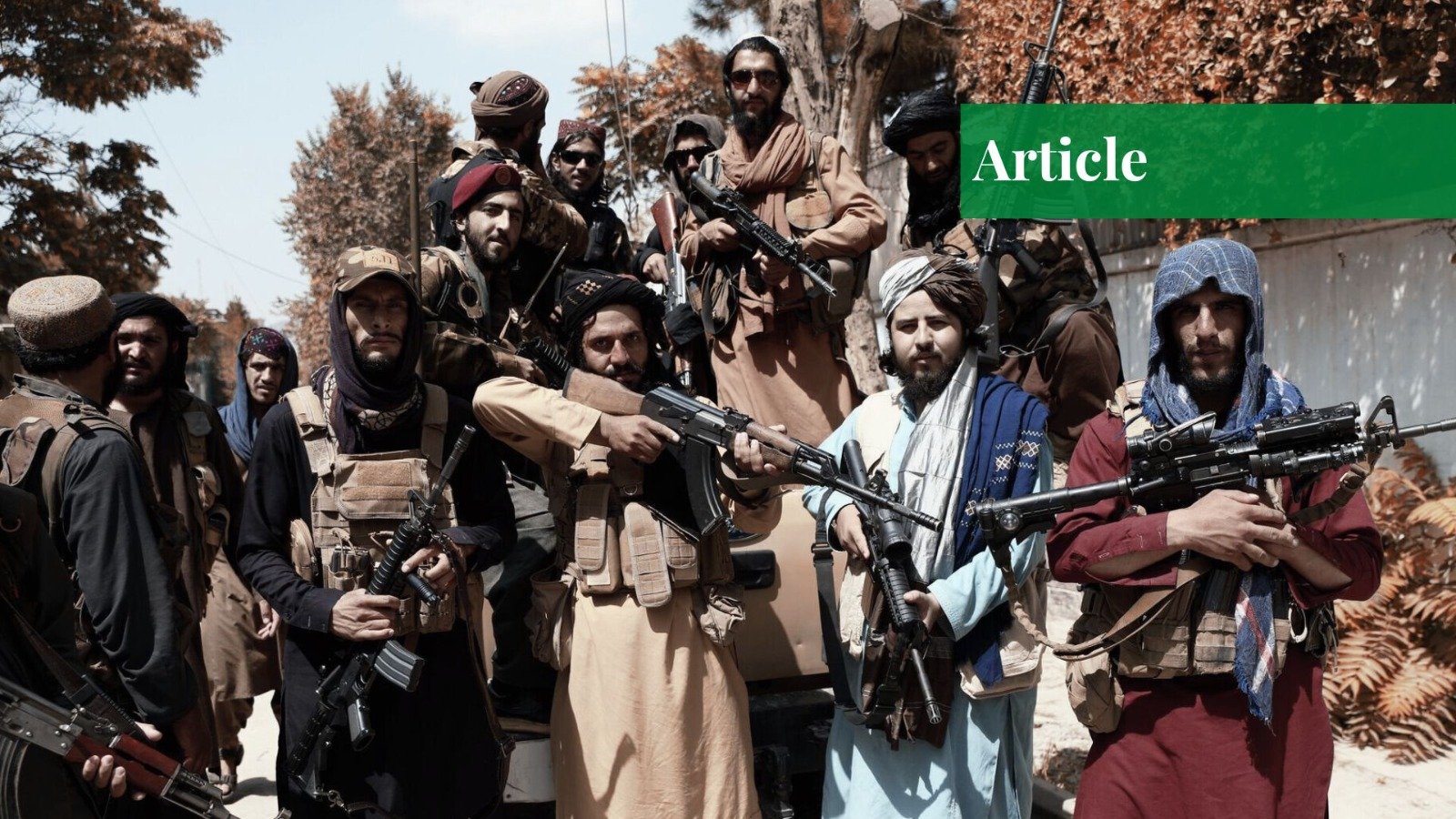

The Tehrik-e-Taliban Pakistan (TTP) is considered a primary threat to the security and stability of Pakistan. TTP’s coalition with other terrorist factions operating deep inside Afghanistan and the unwavering support of the Afghan Taliban have provided an edge to the group to conduct terror attacks in Pakistan. Entitled as “Fitna-al-Khawarij,” TTP is responsible for various vicious terror attacks in Pakistan, including the APS Peshawar attack (2014), Bacha Khan University attack (2016), Sehwan Sharif Shrine bombing (2017), Police Lines Mosque bombing (2023), and attacks on security forces (2022–2025), etc. However, recent reports indicate a revival of deep intra-TTP fragmentations.
Despite having maximum support from the Afghan Taliban, the group is under immense pressure, with party swinging, leadership differences, and ideological rifts as the main issues of discontent. Let’s critically examine various factions of TTP and the internal schisms posing a serious challenge to the overall strength of the group.
TTP Splinter Groups
- Mehsud Group
The Mehsud group is the central element of the broader TTP factionalism. This group, the product of the Mehsud tribe of South Waziristan, has had Baitullah Mehsud as its leader and then Hakimullah Mehsud. After the assassination of Hakimullah Mehsud in 2013, some of the core divisions existed in the tribe on who would succeed the leadership. The biggest problem was the nomination of the non-Mehsud commander, Mullah Fazlullah, of Swat. As a result, Khalid Mehsud formed a counter-group in South Waziristan. Currently, this group is led by Noor Wali Mehsud.
- Hafiz Gul Bahadur (HGB) Group
The HGB is a North Waziristan-based group, under the leadership of Hafiz Bul Bahadur, belonging to the Utmanzai Waziri tribe. Historically, this group held an anti-West global jihadist agenda and less anti-Pakistan policies with selective militancy. Its less confrontational stance towards Pakistan earned it the title of ‘good Taliban.’ Organizationally, the group never fully merged into TTP’s centralized command structure, maintaining its autonomy while cooperating tactically when interests aligned. After the revival of the Afghan Taliban in 2021 and the withdrawal of NATO troops from Afghanistan, the group’s global jihadist mission shifted to anti-Pakistan rhetoric to maintain its influence in the region.
- Jamaat-ul-Ahrar
Jamaat-ul-Ahrar is the most extremist and radical faction of TTP, originating from Mohmand Agency. Currently, the group is headed by Omar Mukkaram Khorasani. This militant faction has various disagreements with TTP leadership, accusing TTP of being a compromised party regarding Afghan jihadist ideology. Although JuA continues to carry out high-profile suicide attacks and mass-casualty attacks, these attacks have resulted in many groups within this leadership reversing their allegiance to the TTP under Noor Wali Mehsud, yet another indication of the deep divisiveness within the subgroups of the TTP.
Growing Internal Friction and Recent Events
The assassination of Khalid Khorasani in August 2022 once again ignited the deep-rooted internal divisions within the TTP. JuA accused the TTP leadership under Noor Wali Mehsud of abandoning the very purpose of Afghan Jihad and a complete failure to investigate the case of Khorasani’s assassination. The JuA leadership believes that Mehsud is currently putting tribal interests ahead of the jihad principles. The increasing strength of Ittehad Mujahideen Pakistan (IMP), which is led by organizations like Lashkar-e-Islam, Hafiz Gul Bahadur, and Harkat Inqilab Islami Pakistan, has partnered with JuA to fight TTP’s authority, especially in southern Khyber Pakhtunkhwa.
In March 2025, it was said that the country was in deep divisions due to power struggles, with both parties carrying out attacks on the mosques and civilians. Ideological issues became apparent as early as June 2025, when JuA criticized Noor Wali for limiting the operations of TTP to the tribal lands of Pakistan and failing to pursue the world jihadist ideals.
In August 2025, bloody confrontations broke out in the Nuristan province of Afghanistan and the adjacent areas. Drone attacks were also reported as the groups went on battling over land, extortion money, and smuggling routes. In the meantime, loyalties were reported to have been changed in the Bajaur and Mohmand. In Bajaur, some members of the Mehsud group swore an oath to JuA, and JuA fighters in Mohmand joined TTP. In addition, there are also recent rifts between Mehsud and Bahadur, as reported by the intelligence sources. Recently, Ali Dawar, who heads the Jaish-e-Umeri group, which is associated with the Hafiz Gul Bahadur (HGB) group, pledged his loyalty to Noor Wali Mehsud and joined his terrorist group with the TTP. Ali Dawar was later appointed to the leadership of the TTP council, too. This is a great setback for the HGB group.
The HGB group retaliated in a tit-for-tat attack by allying with Lashkar-e-Islam, a terrorist group headed by Mangal Bagh of the Khyber tribal district, against Mehsud. The Noor Wali Mehsud group has charged the Hafiz Gul Bahadur group with supplying the intelligence services to the Pakistan Army, which has purportedly resulted in the murder of hundreds of soldiers of Noor Wali as they were trying to invade Pakistan via Afghanistan.
Security Implications
Security experts warn that these deep-rooted rivalries and ideological fractures between the various TTP camps are hard to overcome. History tells how a forced alliance between militant groups is mostly entailed by betrayal, splinters, and bloodshed within the group. Moreover, the natives in the ex-tribal areas have become increasingly aggressive towards such groups, particularly following decades of turmoil, displacement, and bloodshed. Grassroots support of their reemergence is very little or none.
Any attempt to consolidate the forces is likely to be opposed not only by the state but also by the local communities. A weaker TTP might limit the threat to Pakistan in the short term and, as a result, allow conducting military actions in the regions, such as Bajaur, where the TTP, in August 2025, offended the tribal councils. But the division would provide another type of autonomous cell, too, and this may result in uncontrollable violence. Although TTP appears to be weakening from internal strife, pressure from Pakistani forces, combined with these divisions, could accelerate its decline.
Conclusion
In essence, the TTP is a conglomeration of various divergent actors and groups. The increased pressure from the international community and reduction in foreign support have fractured the already-disputed network of TTP. In order to maintain their internal unity, they pursue an anti-Pakistan stance, which has resulted in a loss of public support. This clearly shows that these terrorist factions are vying for their influence and control, losing their old rhetorical basis of attacking Pakistan. While these divisions weaken centralized control, they also create a more diffuse and unpredictable security threat for Pakistan.
If you want to submit your articles and/or research papers, please visit the Submissions page.
To stay updated with the latest jobs, CSS news, internships, scholarships, and current affairs articles, join our Community Forum!
The views and opinions expressed in this article/paper are the author’s own and do not necessarily reflect the editorial position of Paradigm Shift.

He is pursuing a BS in International Relations programme from International Islamic University, Islamabad and has a keen interest in research works, policy analysis, defence and strategic studies and conflict resolution.