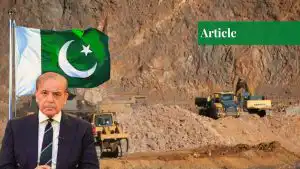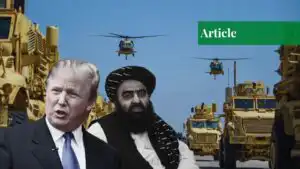
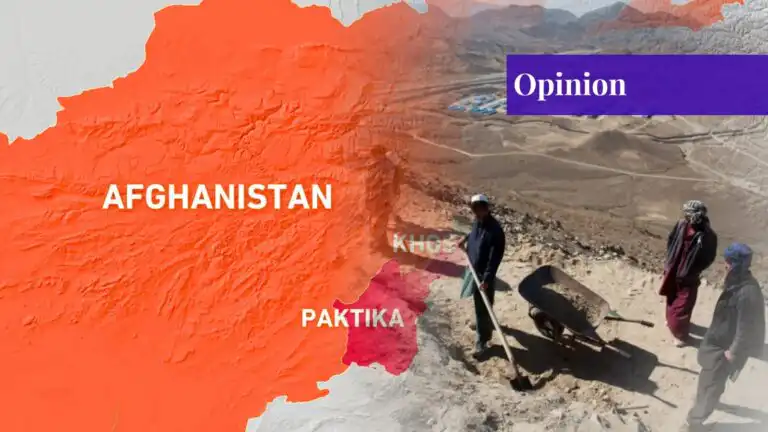

Two months ago, Pakistan dropped bombs on four Afghan provinces in one night. Khost, Paktika, Jalalabad, and Kabul. Forty-seven dead, says Kabul (Pakistan says fewer, and only “terrorists”). The timing was brutal: fourteen hours after the Taliban foreign minister landed in New Delhi. Message received loud and clear, or so Islamabad thought.
It backfired, no question. But let’s not pretend Pakistan is the only one that misread the room.
Less than two weeks later, India upgraded its technical mission into a full embassy, started handing out 5,000 extra visas, launched IndiGo flights to Kandahar and Mazar, and sent mining executives sniffing around lithium and copper. Chabahar port, air corridors, zero lectures on girls’ schools, classic Delhi pragmatism. It’s smart, it’s working, and it stings in Rawalpindi.
But let’s not pretend this is only an India–Pakistan soap opera. The real action is happening in unmarked Toyota Hiluxes bouncing down dirt tracks to mine sites, and the licence plates are Chinese, Russian, Turkish, Emirati… and, quietly, a few with stars-and-stripes stickers hidden under dust.
China first, because they never really stopped.
- Metallurgical Corporation of China (MCC) is rebooting Mes Aynak copper, 30 million tonnes of ore, maybe the biggest undeveloped deposit left on the planet. New 2025 deal: $9 billion total, railway to Torkham included.
- China Nonferrous Metal Mining Group (CNMC) and Jiangxi Copper are circling the Balkhab copper-gold block in Sar-e-Pul.
- For lithium, the big name is Gochin Company, a shadowy Afghan-registered firm that everyone in Kabul whispers is 70 % owned by Chinese nationals. They’ve already signed MOUs for the Nuristan pegmatites. Local elders got brand-new Hiluxes; the ministry got a “signing bonus” in cash.
Russia isn’t here for lithium selfies.
- Rosgeo locked in the Amu Darya oil tender (300,000 bpd potential) back in 2023 and started drilling this summer.
- Gazprombank is financing a 150 MW gas-to-power plant in Jowzjan using Afghan gas that will actually keep Kabul’s lights on for once.
- A little-known outfit called Petronas Carigali (wait, no, scratch that, the Russians bought out the Malaysian stake) rebranded it to something Cyrillic and kept the rigs turning.
Now here’s the plot twist nobody in Islamabad wants to hear: the Americans never fully left the minerals game either. They just got better at hiding.
Centar Mining, the British firm founded by ex-MI6 officer-turned-deal-maker Ian Hannam, still holds the Hajigak iron ore rights (1.8 billion tonnes) from the Ghani era. Guess who quietly funds Centar’s Kabul office? A Virginia-based private equity shop that rhymes with “strategic intelligence ties.” Same story with the Balkhab copper block: the 2012 tender was won by Afghan Gold and Minerals Company (AGMC), a consortium that included a tiny US player nobody noticed. Fast-forward to 2025, and AGMC just sold 49 % to a Turkish firm (Koç Holding) that has an offtake agreement with… Glencore. And Glencore’s biggest shareholder? Still BlackRock, i.e., Vanguard, i.e., your 401(k).
Even the Pentagon’s old Task Force for Business and Stability Operations never really disbanded; it just went private. Former TFBSO staff now work for a company called “Global Venture Consulting” that flies into Kabul on UAE-registered jets, drinks coffee with the Taliban mining minister, and leaves with geological data that somehow ends up in Houston.
The Emirates and Qatar are in, too, small stakes, big wallets. Al-Habtoor Group (Dubai) is building the access road to one lithium block in exchange for a 10 % carried interest. Qatar’s Nebras Power signed an MOU for a solar park that will power the processing plants—because nothing says “we’re neutral” like selling electricity to Chinese smelters.
And Turkey? Turkish firms limp along with talc and chromite mines near Herat, paying protection money to whoever has the biggest beard in the district, but they’re the only ones actually producing and trucking stuff out right now.
Back to CPEC-plus. The Chinese keep dangling the same carrot in every meeting: “Open Torkham properly, give us rail right-of-way to Jalalabad, and we’ll route half the Mes Aynak copper through Gwadar.” That single sentence is worth more to Pakistan’s bankrupt economy than another fifty airstrikes. Russia sweetly adds, “We’ll throw in discounted LNG at Gwadar if you let our oil pipeline tag along.” Even the Americans, through back channels, have hinted that sanctions relief on certain banking lines could appear if Pakistani soil suddenly becomes “essential transit for critical minerals.”
So yeah, India finally got its embassy and its selfies. Nice.
But drive out to Mes Aynak at sunrise, and you’ll see Chinese drill rigs spinning, Russian seismographs thumping, Turkish trucks already hauling, and a couple of guys in Patagonia vests speaking Texan-accented English pretending they’re just “consultants.”
Pakistan still holds the geography card; nobody gets to the warm water without crossing our roads or flying over our airspace. But the old game of “we decide who talks to Kabul” is dead and buried under a pile of lithium carbonate.
The new game is called “who brings the biggest cheque, the quietest lawyers, and the least drones.”
And right now, from the Hindu Kush to the corridors of Kabul, that’s not Delhi.
That’s Beijing, Moscow, and, whether anyone admits it or not, a couple of ex-Marines turned venture capitalists who never really went home.
If you want to submit your articles and/or research papers, please visit the Submissions page.
To stay updated with the latest jobs, CSS news, internships, scholarships, and current affairs articles, join our Community Forum!
The views and opinions expressed in this article/paper are the author’s own and do not necessarily reflect the editorial position of Paradigm Shift.

Aleena Saif Ullah is a 24-year-old writer, poet, HEC published researcher, and scholar who holds a bachelor’s degree in Political Science (Gold Medalist) and is currently pursuing an MPhil in International Relations from the University of the Punjab, Lahore.