
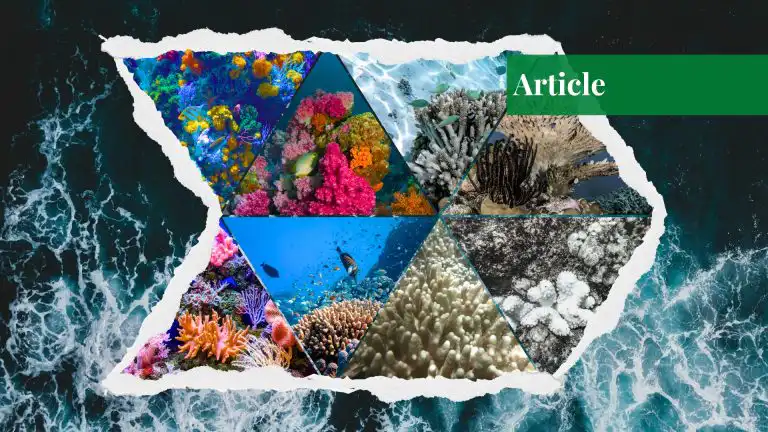

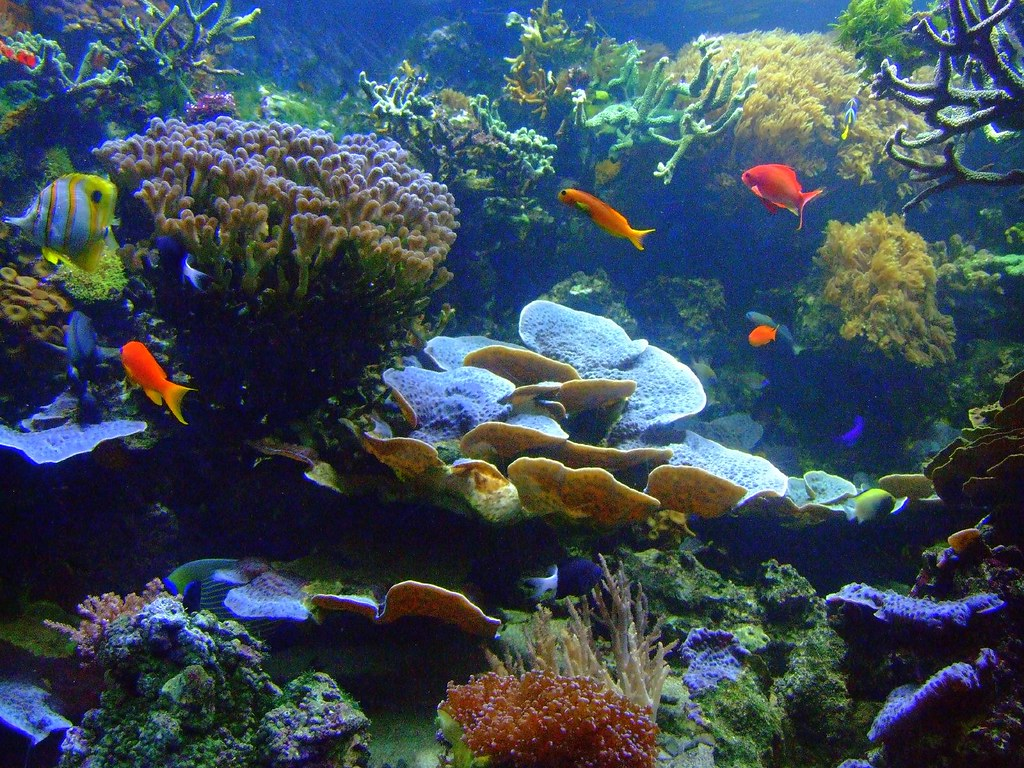
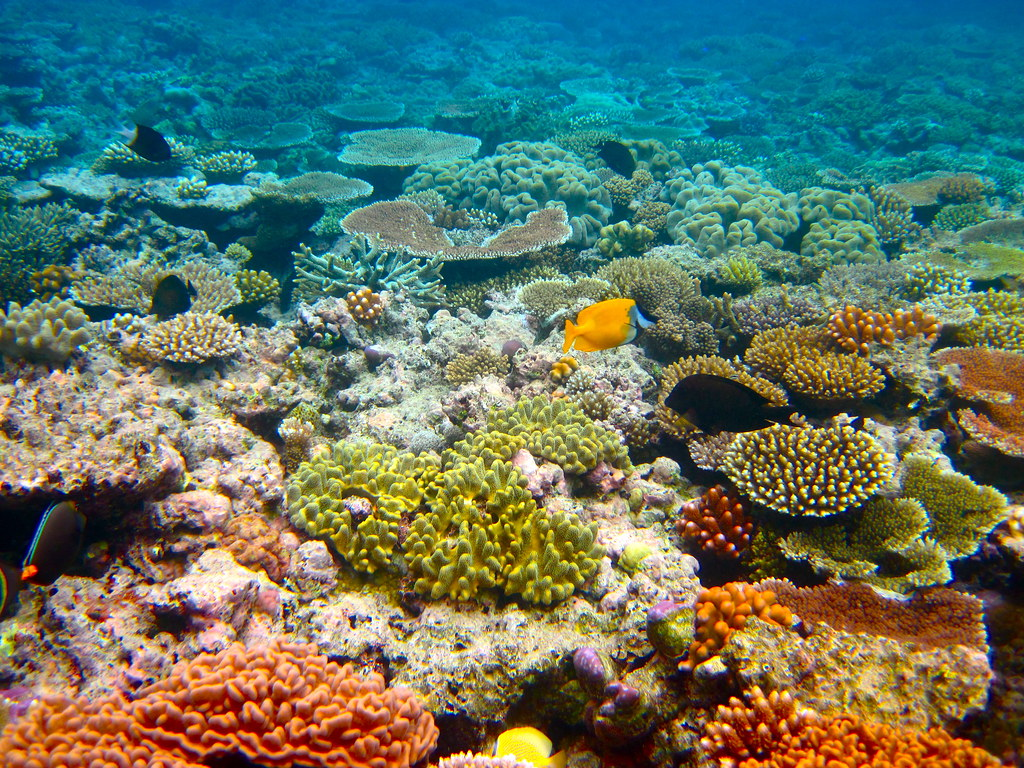
Coral reefs are often referred to as the “rainforests of the sea.” They are valuable ecosystems that cover one percent of the ocean floor but are crucial for marine life. Coral reefs offer protection from storms as well as provide food to marine life. Currently, coral reefs are in serious trouble because of coral bleaching.
Coral Bleaching: A Global Issue
Coral bleaching occurs when corals, under stressful conditions, release an algae called zooxanthellae. Zooxanthellae are responsible for maintaining the attractive color of corals and also provide food to corals. Corals without zooxanthellae lose color and turn white; subsequently, survival for corals becomes difficult. The US National Ocean Service reports that bleaching indirectly kills corals by making them vulnerable to harsh conditions.
A slight alteration in ocean temperature can cause coral bleaching. Water pollution, intense ultraviolet rays, low tide, and sediment washing into the sea are the causes of coral bleaching. According to the Great Barrier Reef Foundation, climate change, which causes heat, is the major cause of coral bleaching.
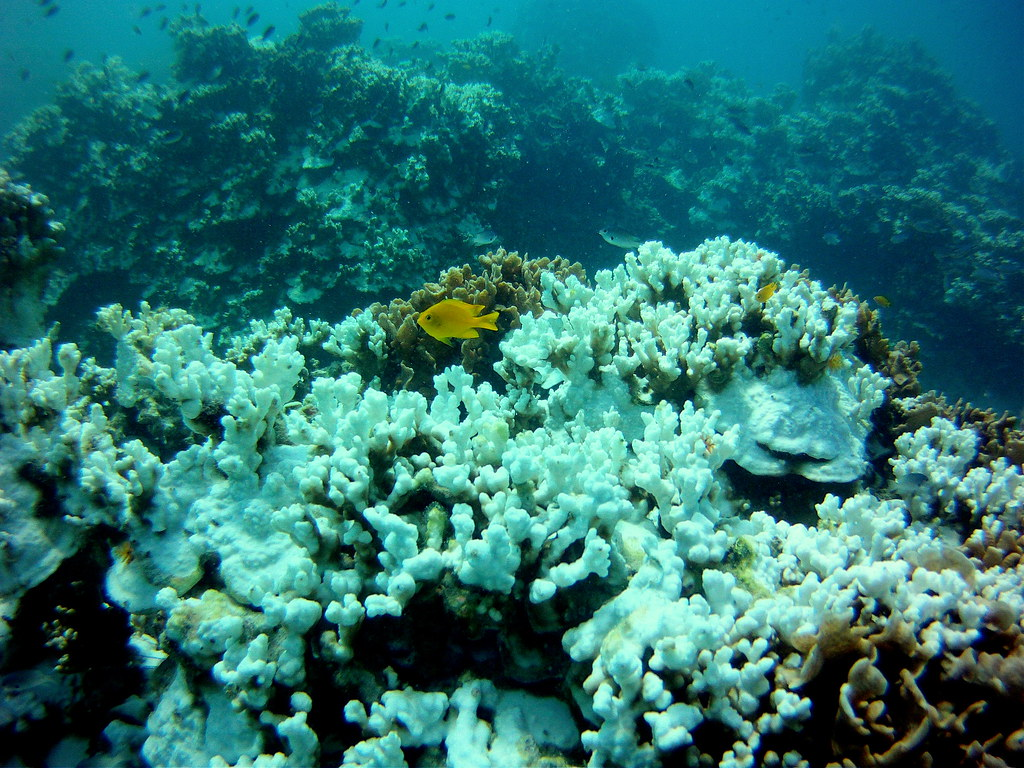
The Washington Post reports that since 2023, almost 84 percent of the world’s corals have been damaged by intense heat. Australia’s Great Barrier Reef has faced six bleaching events since 2016; meanwhile, nearby Ningaloo Reef has suffered from bleaching for the first time. Bleaching is not confined to Australia. The Associated Press highlighted that reef bleaching happened at high levels in the Indian, Caribbean, and Pacific oceans. Scientists are very concerned about the continuous reef bleaching without solid global planning; in decades, the reef ecosystems can be exhausted.
Importance of Coral Reefs
Coral reefs are not only vital for ocean health but also for human survival. The Coral Reef Alliance revealed that reefs play an important role in the shelter and food of thousands of marine life. Reuters Environment Desk mentioned that in tropical countries, reefs ensure food security for humans; they are the source of food for fish in tropical countries. In an economic sense, reefs annually contribute billions of dollars in the form of fisheries and tourism. Coral reefs also protect coastlines from storms. So, their survival ensures economic and humanitarian profit.
Controlling Climate Change
Normal temperature ensures the survival of coral reefs, so controlling climate change is the first step towards preventing coral bleaching. It means reducing greenhouse gas emissions by alternatively using clean energy, minimizing the use of coal and oil, as well as advocating for strong climate policies. The Guardian emphasized that Australia’s policies regarding fossil fuels will affect the Great Barrier Reef’s future. These insights reveal the close connection between policy-making and the ecosystem.
Preserving Local Environment
The US Environmental Protection Agency suggests minimizing plastic use, reducing pollution, and properly disposing of chemicals as waste contribute to the conservation of reefs. Local groups in collaboration with local people can also make a positive contribution by spreading awareness about harmful land practices and improving the sewage system for water. The cleaner the water, the more it helps corals resist bleaching.
Organizing safe areas for reefs decreases fishing pressure, which helps reefs to recover from bleaching. This will provide sufficient time for the ecosystem to recover and improve. Safe zones in the Pacific and Caribbean have shown that without human interference, reefs can fight back effectively.
Reefs Reconditioning
Scientists are working hard to recover damaged reefs. Thanks to NOAA’s Coral Reef Restoration for implanting domestic reefs with wild ones. In Indonesia, multiple projects related to reefs by The Nature Conservancy have shown remarkable results. It is reported that a 260 percent increase in fish has been seen with the implementation of reefs. Easy methods like divers joining separate corals with reefs by using nature-friendly adhesives have also shown positive results. This simple method reflects that even simple techniques can help the fragile ecosystem of reefs.
Scientists are looking for new ways to protect reefs and enhance their resistance. Researchers have created “heat-resistant corals” that will be capable of absorbing the heat of the ocean. The Climate Foundation shows that injecting cold water into reefs during intense heat is beneficial for the health of reefs. The Coral Reef Conservation Program utilizes advanced technology in satellites, which collect data to predict coral bleaching time. As a result, several measures could be taken, like the closure of the reef area for tourists, so reefs will experience less stress and will have time to recover.
Community Awareness and Education
Organizations responsible for protecting reefs are organizing awareness campaigns about the procedures for the protection of coral reefs. Coral Reef Alliance, along with the International Coral Reef Initiative, gives toolkits, provides training, and exchanges information with local people. Additionally, the Restoration Hub offers guidelines for saving reefs and makes the information available for volunteers and researchers.
Individuals can also consider themselves responsible and play a role in preserving valuable natural habitats. Spreading awareness, minimizing mobility by traveling through public transport, as well as supporting clean projects, can significantly reduce carbon footprints. They can, if possible, financially support groups or organizations working for reef preservation through donations or even volunteer work. People can also contribute to reef preservation and restoration by maintaining a safe distance from reefs during visits to tourist areas, by minimizing plastic utilization, and by using eco-friendly products as alternatives.
Conclusion
Coral bleaching should be taken seriously. Intense heat in oceans is fueling the crisis of coral bleaching on a wider scale, ranging from Australia to Indonesia. However, preventive and restorative measures collectively bring hope. Informed people and tiny actions towards this crisis are also vital in the journey. Coral bleaching is not only a threat to marine life but also to humans. So, protecting coral reefs means protecting our future. If we act confidently, coral reefs can come back with their real, beautiful colors.
If you want to submit your articles and/or research papers, please visit the Submissions page.
To stay updated with the latest jobs, CSS news, internships, scholarships, and current affairs articles, join our Community Forum!
The views and opinions expressed in this article/paper are the author’s own and do not necessarily reflect the editorial position of Paradigm Shift.

Imtiaz Munir is currently pursuing a BS in English with a focus on linguistics and literature at Bahria University, Islamabad. He is an active reader with a strong grasp of political theories, having explored concepts like justice and forms of government. He enjoys analyzing political themes with a philosophical approach. At present, he is working on his research thesis to meet academic requirements and further his interest in critical analysis.


