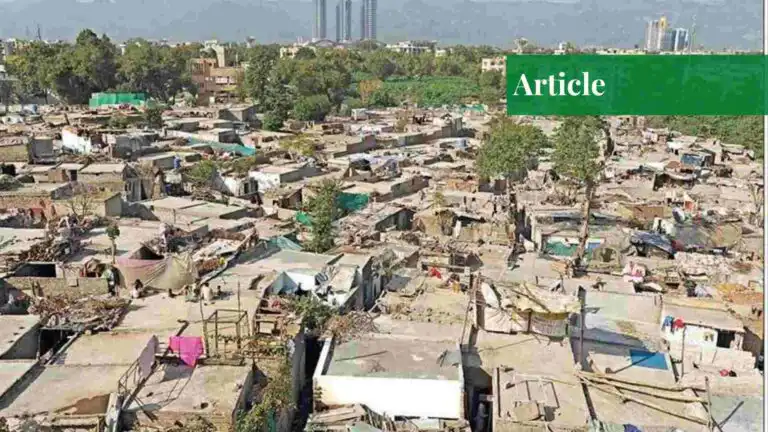
Rising Number of Slums in Islamabad
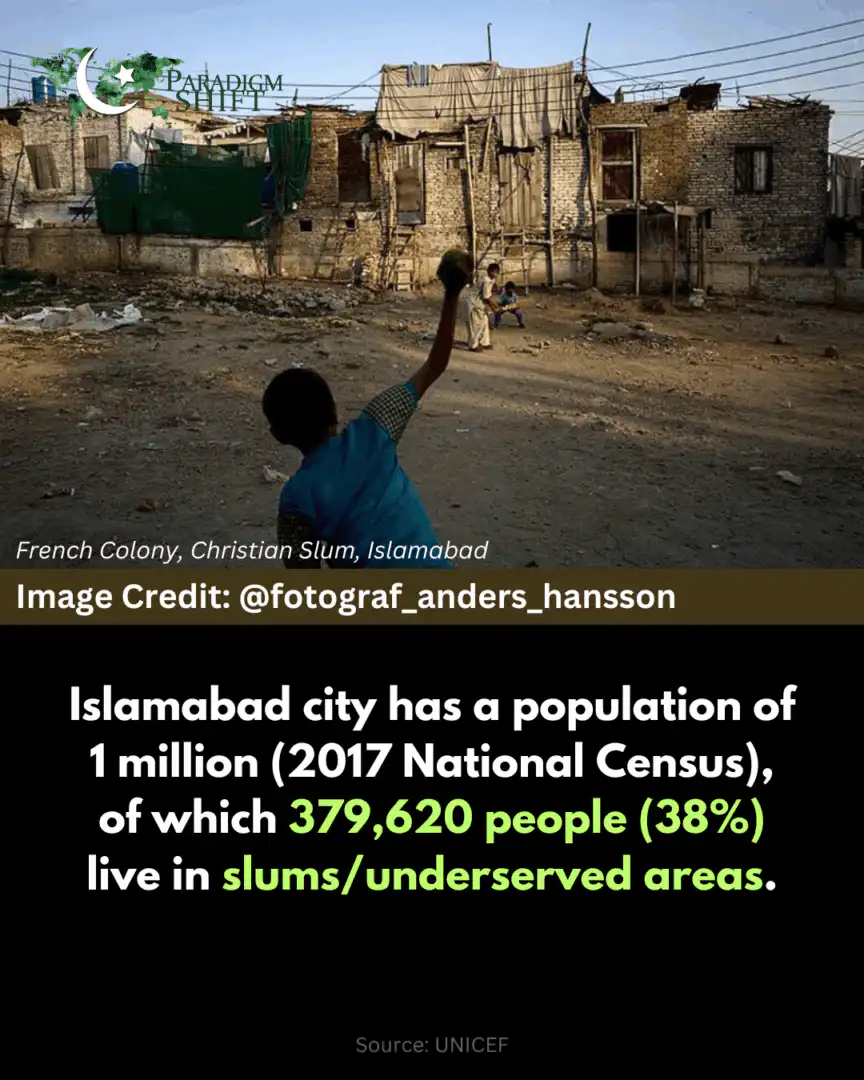
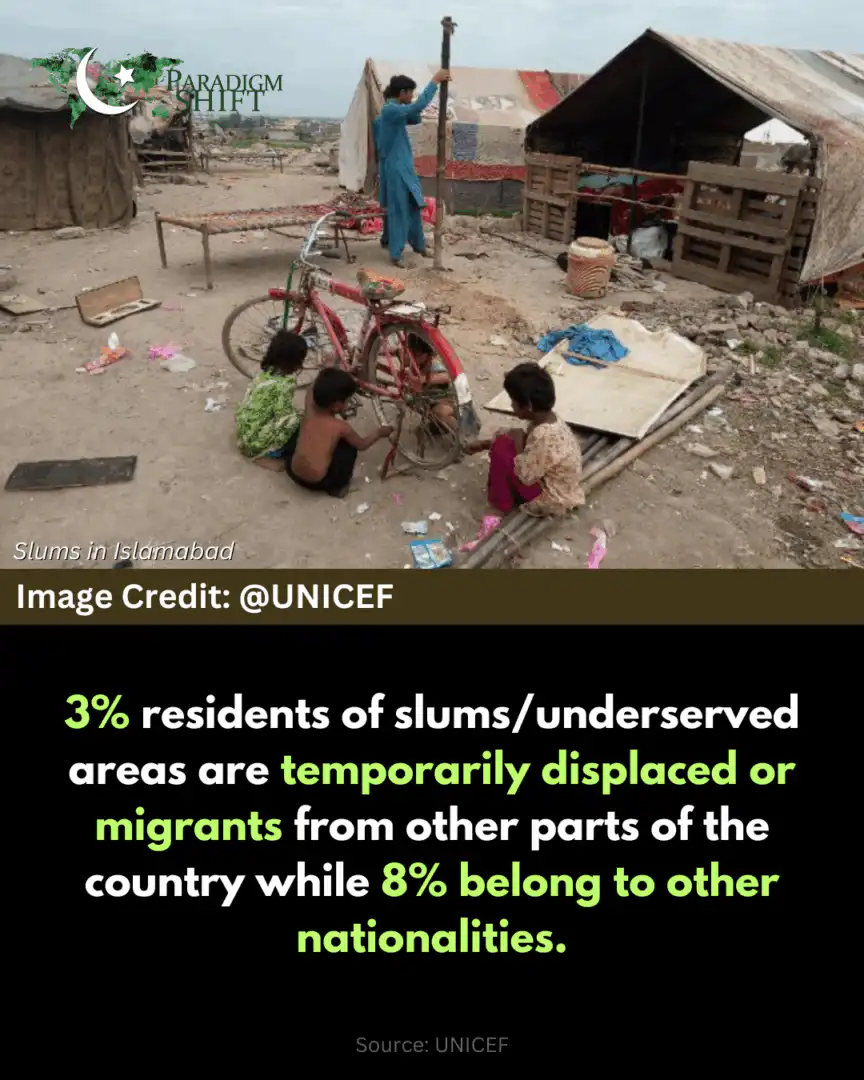
Islamabad, the capital of Pakistan, has beautiful landscapes, is a well-planned city, and is also the center for federal activities. Nevertheless, one would agree that the city has a problem of increasing slum growth that might affect its infrastructure and residents. According to UNICEF, which has used data from the 2017 national census, Islamabad’s population is estimated to be 1 million. UNICEF reports that 38% of the total population of the city, which is approximately 379,620 people, resides in slums/underserved areas. The report further highlights that 3% of the slum residents are either migrants or temporarily displaced people, while 8% are of other nationalities.
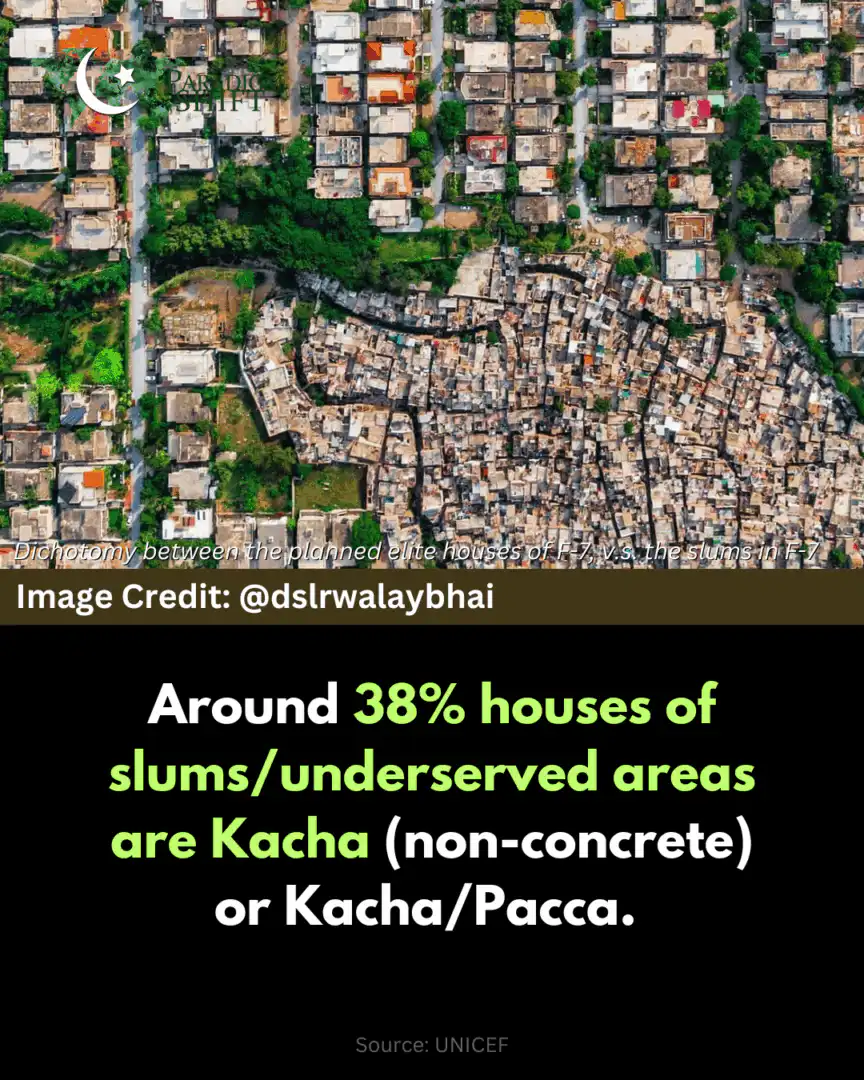
A recent study on the growth of Islamabad slums reveals that the menace has expanded exponentially over the last two decades. It all began approximately twenty years ago when the city had 12 slums at best—a figure that has since soared to more than 60. Some of these localities include Sihala, Tarnol, Rawal Dam, Bani Gala, Barakahu, and Golra. Others accepted as established slums include the area around sectors I-12 and I-14. It is estimated that 0.1 million people live in more than 26 slums near the outskirts of sectors G-7, H-9, F-6, F-7, and I-11.
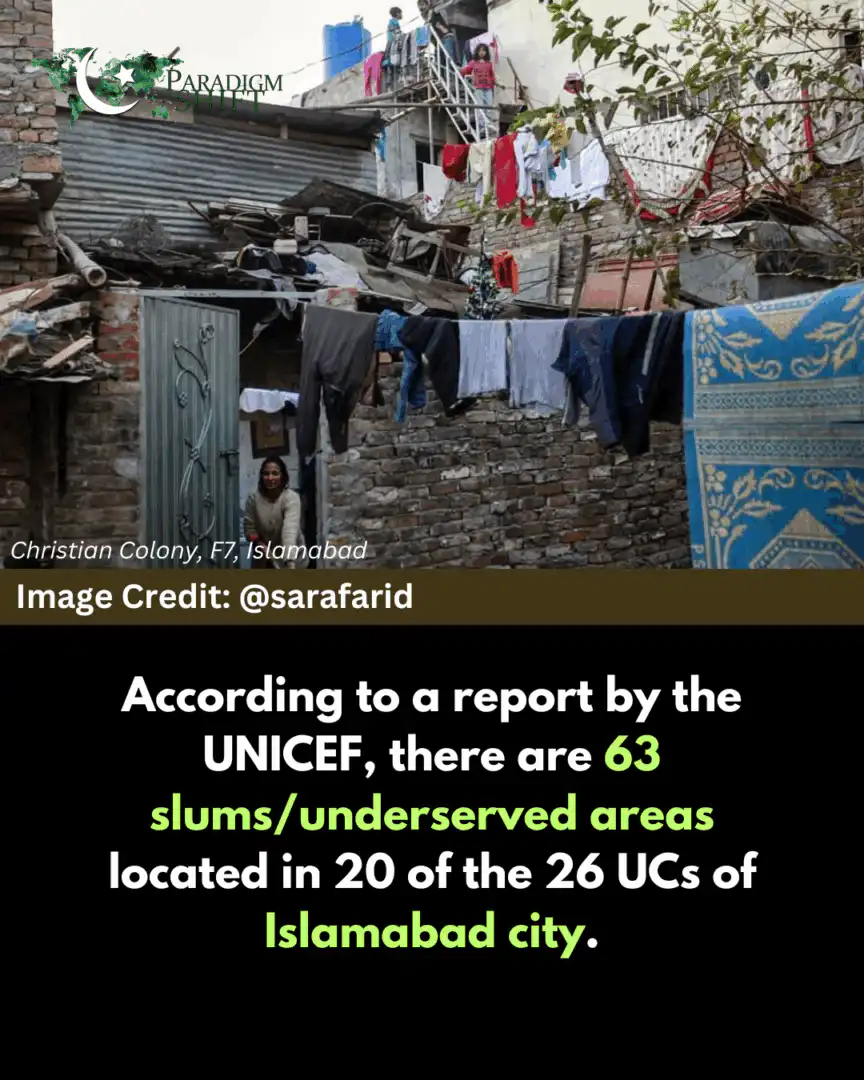
According to a UNICEF report, there are 63 slums/underserved areas in 20 of the 26 UCs in Islamabad city. In these slums, 38% of the total housing is non-concrete (kacha). Some of the existing slum settlements include Chora Stop Slum which has a population of approximately 5000, Akram Gill Colony which has 2000 people, and Mera Jaffar Slum which has about 1000 residents.
Where Basic Healthcare & Sanitation Fail
While some occupants of the slum areas have been “awarded” legal rights to own houses, some still dwell in homes that share common facilities such as water, sewerage, gas, and electricity. As a result of this blunt rationing, health has taken a bad shape, while socio-economic equality has also worsened. In 73% of the slums, government water supply is nonexistent. In terms of the drainage system, data reveals that 75% of the areas either have no drains, or the drains are filthy or choked.

The health demographics of the Islamabad slums are appalling, where immunization, government health centers, and other forms of health care are non-existent or inaccessibly poor. The living standards of the slum residents have deteriorated health-wise due to poor hygiene levels as well as the frequent outbreak of diseases, which can be attributed to the lack of dire necessities such as clean water and proper garbage disposal. UNICEF reports that 72% of the slums dispose of their waste on empty plots or on the streets.

Sanitation and hygiene are major challenges as most slum dwellers live in cramped spaces with poor access to healthcare, causing them to be more prone to diseases like tuberculosis, hepatitis, and infections related to water and hygiene. This coupled with inadequate health checks and immunization services greatly enhances morbidity and mortality incidences thus making it almost inevitable for the affected community to get out of the vice-like “poverty-ill health” loop.


Why Have Slums Increased in Islamabad?
Population growth in Pakistan, combined with an increased rate of urbanization, has paved the way for uncontrolled urban growth where the government’s ability to cope has been overwhelmed. People are excised from rural places and move to live in towns and cities, resulting in increased congestion, pollution, and inadequate infrastructure.
The inability to supply quality and affordable houses, adequate infrastructure, social amenities, and proper management of urban expansion has led to the growth of squatter houses and slum areas in the region. Many governmental efforts to upgrade slums are insufficient and often do not have a scientific base to solve the causes of slum formation.
Previously, the Pakistani government has had what could be referred to as a reactive approach to slum conditions, with the major initiative being the provision of physical infrastructure. However, this approach hasn’t worked out well because new black-voltage areas evolve even faster than the existing ones can be given a facelift.
The Community Infrastructure Project (CIP), implemented in Khyber Pakhtunkhwa in the early 1990s, invested billions of rupees but could not prevent new-born slums. The idea of community development can only be satisfactorily explained by taking a closer look at the need for a sustainable urban planning approach.
Possible Solutions
The reasons mentioned above for the constantly rising rate of these informal settlements can effectively be solved when there is a change in strategy from an approach of curing the ill to one of preventing it. It would be pertinent to highlight that sustainable development is a thrust that needs to be adopted in the planning and design of all urban structures, with special emphasis placed on the provision of serviced land and access to affordable housing, especially for low-income earners.
This involves implementing measures for controlling development, such as physical planning of control standards and implementing compact city strategies, to encourage the development of built-up areas while preserving green spaces. Non-compliance with the provisions of construction laws and regulations on urban planning has greatly led to the growth of the shanties.
Most cities, particularly those in the tehsil municipal administrations (TMAs), have no paid professionals to undertake proper planning and most have no legal provisions that can restrain disproportionate developments. Hence, construction is done in a disordered manner with no consideration of plinth levels, street widths, sewerage systems, etc.
A breakthrough to achieving effective slum management calls for fundamental reforms in urban policies and land-use laws. Hence, better measures need to be implemented to ensure strategic urban planning. Policies should promote affordable housing for low-income families. Involving slum inhabitants in planning such development projects ensures their benefit.
Public-Private Partnerships (PPPs) can invite funds to develop housing and infrastructure for slum areas, providing vital resources. The use of media for information and communication campaigns can improve living standards by raising awareness about health problems and hygiene practices.
Conclusion
Islamabad’s slum problem is an appalling social issue that cannot be addressed with a single solution. Some possible solutions include appropriate city planning—incorporating environmentally sound approaches, stricter compliance with the law, good governance, and public participation. Understanding the causes of slum formation and supporting them with the right policies will create a path for Islamabad and many other world cities to become successful examples of fair and sustainable practices.
If you want to submit your articles and/or research papers, please check the Submissions page.
The views and opinions expressed in this article/paper are the author’s own and do not necessarily reflect the editorial position of Paradigm Shift.

Zonash Zuhuruddin is an undergraduate student at Quaid-i-Azam University, Islamabad, currently pursuing a degree in Public Administration. Passionate about social justice and development, her work highlights key public issues and aims to advocate for meaningful change in society.