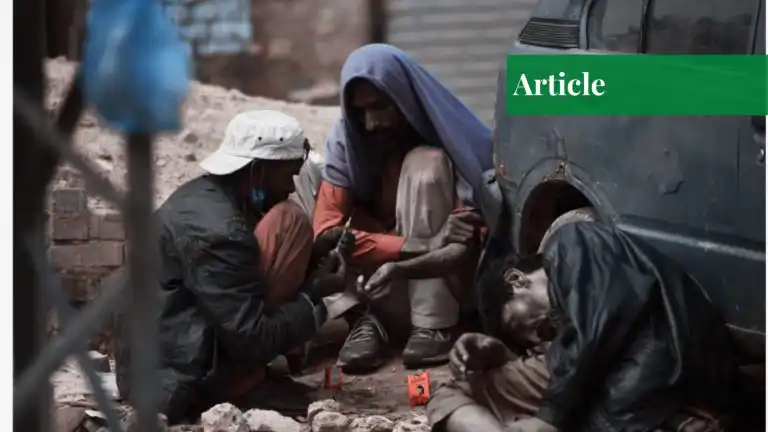

Pakistan is grappling with an escalating drug abuse and addiction crisis that challenges the social cohesion, economic stability, and public health of the country. With estimates of drug users crossing the figure of 9 million, the scale of the problem appears to be daunting. The issue is further exacerbated by the country’s geographical proximity to Iran and Afghanistan, which makes it prone to drug smuggling, specifically opium. The crisis is further compounded by systemic inadequacies, including a lack of rehabilitation options, weak drug control oversight, and socio-economic restraints.

The Evolving Landscape of Drug Abuse
The issue of drug abuse in Pakistan is widespread, affecting diverse demographic groups across the rural and urban landscape. The latest official figures provided by a 2013 report by the United Nations Office on Drugs and Crime (UNODC) estimated around 6.7 million drug users (6% of the population) in the country. The 2022 rough estimates suggest that the figures might have reached up to 9 million. Meanwhile, the National Drug Use Survey 2022-2024, jointly conducted by Pakistan’s Ministry of Narcotics Control, U.S. INL, and UNODC, was launched in late 2022, but its official findings remain awaited. However, on the occasion of the launch, UNODC released a statement discussing the sharp rise in the use of synthetic drugs around the region, particularly methamphetamine (ice), alongside traditional substances such as heroin, opium, and cannabis.
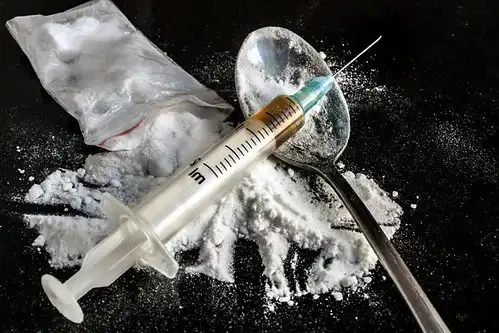
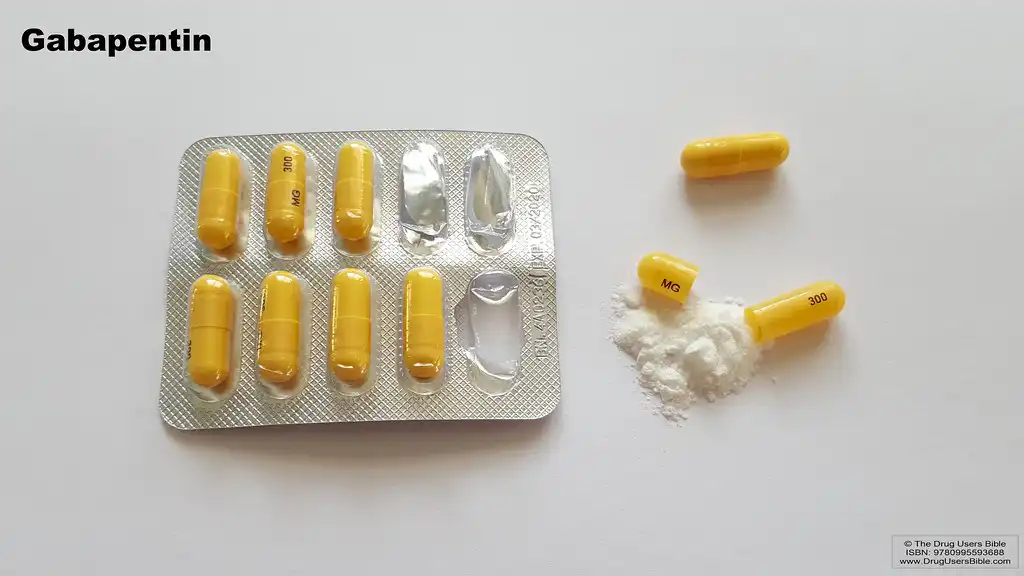
Opiate addiction remains one of the most significant cornerstones of this crisis, with 1.06 million users reported in the 2013 report. Heroin and cannabis addiction are driven by Pakistan’s role as a transit hub for Afghan drugs. The increase in synthetic drugs and prescription medicine misuse, such as tramadol and gabapentin, signals a shifting landscape. A 2023 study in JCPSP supports the assertion of over-the-counter misuse and addiction of gabapentin in rural Punjab. The results can be extrapolated to understand the threat of prescription drug abuse in the country.
Socioeconomic factors such as poverty, unemployment, and low literacy rate fuel the vulnerability to drug addiction. KPK and Balochistan are specifically affected due to their proximity to the Afghan border, which facilitates direct drug trafficking, while the affluent youth of urban centers such as Lahore and Karachi become victims of drug use due to social media glorification and peer pressure. Cultural practices in some communities result in the normalization of certain forms of drug abuse, whereas the stigma attached to the topic prevents the addicts, specifically the women, from seeking medical and social help.
The Ineffectiveness of Rehabilitation Infrastructure
Pakistan’s rehabilitation centers are inadequate to address the scale of the crisis. A 2016 report found that only 96 structured and 34 low-threshold rehab facilities were operated by the government, NGOs, and the private sector. While the provincial distribution of the treatment centers was already below the required mark, FATA and Azad Kashmir were found to have had no facilities at all. In 2024, it was claimed that only 3 certified rehabilitation centers were run by ANF, with only a few facilities officially available under the provincial governments. The rest of the centers are run by the private sector, with most of them located in the large urban cities and charging hefty amounts. This leaves the rural regions underserved and places economic constraints that exclude the majority of those in high need.
The quality of the rehabilitation services also raises many concerns. Most of the centers in Pakistan only focus on physical detoxification, ignoring the psychological, social, vocational, and emotional aspects of recovery from drug addiction. Most of the facilities are punitive rather than therapeutic, admitting patients involuntarily and treating them without substantial counseling. This results in frequent relapses and increases the financial burden on the struggling economy of the country.
The shortage of professionals and overcrowding further aggravate the issue. There are only a limited number of certified drug addiction professionals currently working in Pakistan. In June 2024, only 88 out of the total 171 professionals successfully passed the International Certified Addiction Professional (ICAP) exams in Pakistan. Meanwhile, in big cities, the mismatch between the patient demand and institutional capacity is overwhelming. According to a 2022 report, the rehab centers with a capacity of 2,000 patients were tasked to serve the caseload of 150,000 drug addicts in Peshawar alone.
Cultural stigma adds another layer of complexity. In many communities, addiction is often viewed as a lifelong stigma rather than a medical condition capable of being treated. Women face the most challenges in this domain. There are only a handful of treatment centers that provide gender-specific rehabilitation programs and women-specific therapy options for female drug addicts. The family dynamics in Pakistan exacerbate the isolation of women, specifically when the rehabilitation facilities fail to accommodate this vulnerable population by addressing their concerns with cultural sensitivity.
Weak Drug Control Oversight
Pakistan’s drug control legal framework, anchored by the Control of Narcotic Substances Act, 1997, and the Anti-Narcotics Force Act, 1997, provides a theoretical approach of drug control oversight but falters in practice. The Anti-Narcotic Force, tasked with the interception and eradication of drug trafficking and illegal drug cultivation, faces significant challenges. Slow operations, limited workforce, inadequate funding, and corruption hinder the enforcement efforts.

ANF consists of only 3,000 to 4,000 personnel nationwide, despite the country’s population surpassing 250 million. While the total confiscations by ANF and other agencies reached over 1062.894 metric tons from September 2023 to December 2024, these figures only represent a fraction of the illicit drugs available in the market. The geographical vulnerabilities, including the porous border with Afghanistan, along with other logistical constraints, intensify the ineffectiveness of enforcement.
The misuse and abuse of prescription drugs reflect the inadequacy of regulatory actions by authorities. Medications like Tramadol, Gabapentin, and Pregabalin are easily available in the markets despite the presence of reports suggesting their frequent abuse by youngsters. The pharmacies, specifically in rural areas, driven by profit motives and weak enforcement, continue to sell these medications without a prescription. The lack of coordination between federal and provincial authorities further hinders effective enforcement, as the provincial governments often lack the capacity to regulate the pharmacies at a broader level.
Drivers of the Crisis
Pakistan’s drug abuse issue is deeply rooted in the socio-economic conditions of the country. With Pakistan’s poverty rate estimated to stand at 42.4% in FY 2025, there is an evident cycle of despair that leads people to use an escape mechanism. Unemployment, currently standing at 6.3% and particularly affecting the youth, further fuels this drug abuse crisis. The overwhelming illiteracy rate, specifically among the rural and remote communities, limits the awareness of drug addiction’s risks and consequences. The rise of media, specifically digital apps, has glorified and normalized the use of drugs to a certain extent.
Cultural practices in some areas add nuances to the issue. In some regions, cannabis use is linked with cultural and religious practices that undermine the health risks attached to it. Alcohol misuse, though less discussed due to the taboo attached to it, has been rising in the elite section of society. Gender dynamics further exacerbate the issue: men are pressured to wear a façade of resilience, denying any social and medical help in the face of drug addiction, whereas women, if found to be using drugs, are often isolated by family structures that prioritize reputation over recovery.
Pathway to Reform
Addressing the drug abuse issue requires a holistic approach by the government that balances enforcement, recovery, and prevention. Key recommendations include:
- The government must plan to build new rehabilitation facilities, specifically in rural and remote areas. It should also upgrade the existing treatment centers to ensure comprehensive care, including the psychological, vocational, and physical training of the addicts.
- Complete implementation of the national and international standards of drug addiction treatment is critical. The focus must be put on training addiction specialists and integrating gender-specific and youth-centered programs in the treatment techniques.
- Federal and provincial authorities and agencies must join hands to enforce the control of smuggling, cultivation, sale, and supply of any harmful drugs. Moreover, pharmacies must be audited for the regulated sale of prescription drugs.
- Nationwide drug awareness campaigns, leveraging mosques, community centers, educational institutions, and social media, can impart knowledge regarding the consequences of drug abuse, reduce the stigma, and promote early intervention.
- Investments and practical steps to reduce poverty, create job opportunities, and increase the literacy rate are highly crucial to reducing the vulnerability of the population towards drugs.
- Strengthening regional and international cooperation can reduce drug trafficking while also opening doors for collaborative efforts to counter the issue.
Conclusion
Pakistan’s drug abuse crisis is a complex and nuanced challenge that requires a multifaceted approach to counter it. With millions affected, specifically the youth, weak oversight and inadequate enforcement only facilitate the proliferation of substance misuse in society. The systemic flaws can only be countered by a unified political will, increased funding, and social engagement. By addressing the root causes and the factors that exacerbate the issue, Pakistan can begin to successfully mitigate it and pave the way for a healthier society.
If you want to submit your articles and/or research papers, please visit the Submissions page.
To stay updated with the latest jobs, CSS news, internships, scholarships, and current affairs articles, join our Community Forum!
The views and opinions expressed in this article/paper are the author’s own and do not necessarily reflect the editorial position of Paradigm Shift.

Laiba Khalid is a university student and emerging content writer with a keen focus on socio-political issues, governance, and policy. With a background in English and an interest in current affairs, she brings a critical and youth-driven perspective to contemporary debates. Laiba is particularly interested in bridging academic insight with real-world challenges. She writes with a commitment to clarity and research-based analysis.