


Introduction
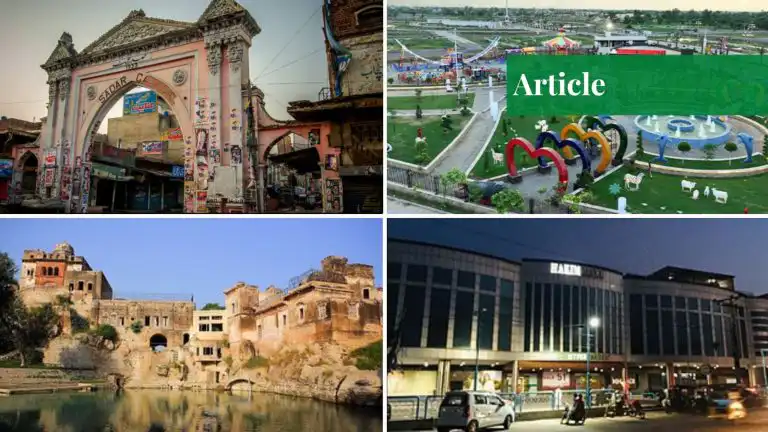
Mandi Bahauddin is a city in Punjab, Pakistan that comprises three tehsils: Mandi Bahauddin as the district headquarters, Phalia, and Malakwal. In 1962, it was declared a tehsil headquarters and made a district in 1993 by the then chief minister of Punjab, Mian Manzoor Ahmad Watto. Currently, it is among the 40 to 50 largest cities of Pakistan according to population. According to the 2023 Digital Census, its total population hovers around 1.8 million, and it covers an area of approximately 2,673 square kilometers. The latest statistics reveal that the literacy rate of Mandi Bahauddin stands at 70.27 percent, including 74.89 percent for males and 65.70 percent for females, which underscores the gender disparity of almost 10 percent.
History
As far as the history of Mandi Bahauddin is concerned, its roots are linked to the era of Alexander the Great in 326 BC, when the Battle of Hydaspes was fought between Alexander and King Porus of India, resulting in the victory of Alexander. Alexander wanted to expand his empire towards the subcontinent, and he succeeded in his mission in this battle, which took place at a place currently called Mong near Jhelum City on the Jhelum River.
Another hallmark battle that connects Mandi Bahauddin to history is the Battle of Chillianwala, fought in 1849 during the Second Anglo-Sikh War, in the Chillianwala region of Mandi Bahauddin district. It was an indecisive battle between the Sikh Empire and the East India Company, as both claimed victory. Regarding the name of Mandi Bahauddin, initially, the city was named Chak 51 as part of Pindi Bhattian. However, it became the major hub of the grain market following the construction of Rasul Headworks in 1901 on the Jhelum River near Mong, resulting in the settlement of the population around it. Therefore, it was renamed Mandi Bahauddin in 1920.
Famous Places in Mandi Bahauddin
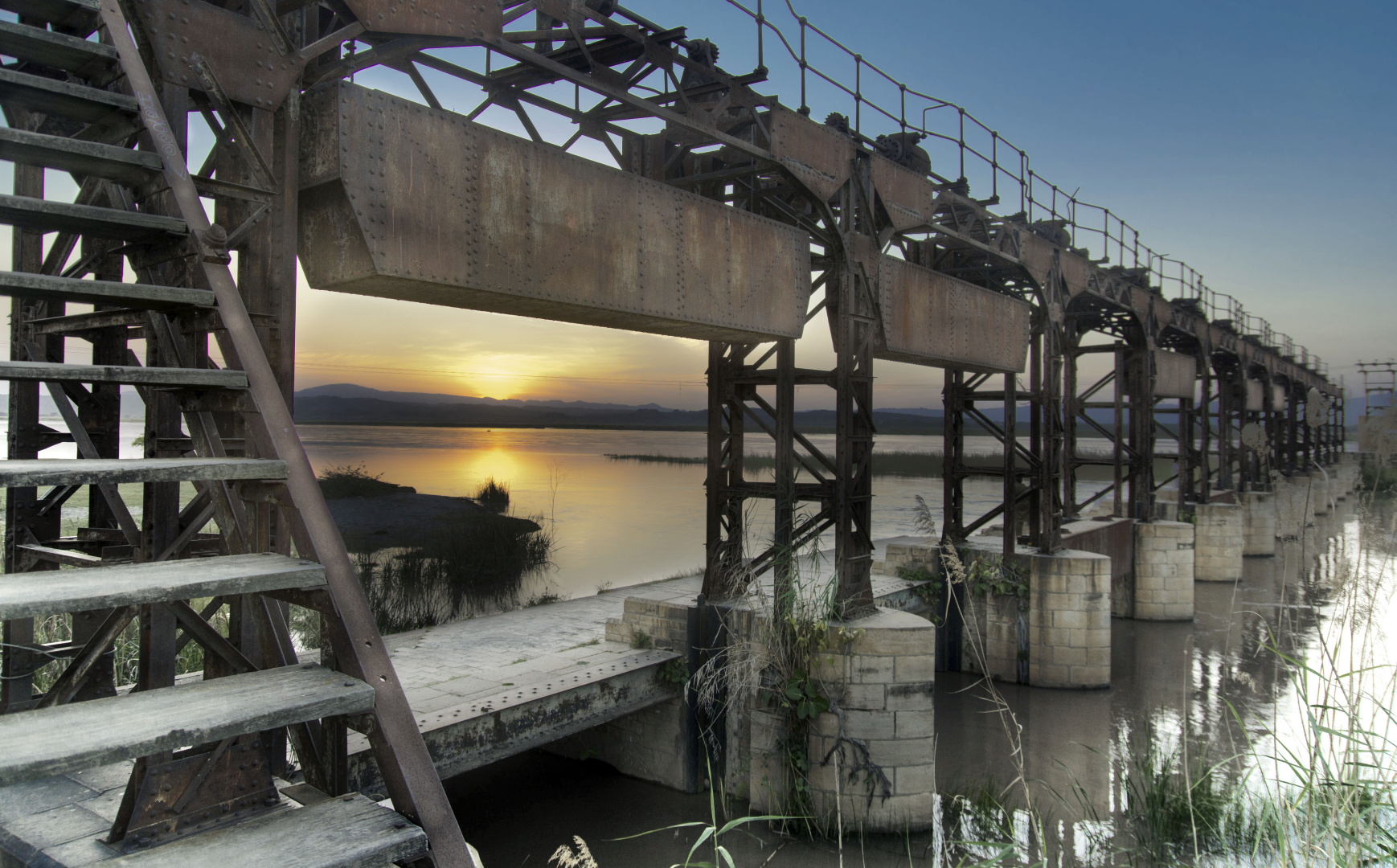
There are various famous places in Mandi Bahauddin. A few of those are as follows. Rasul Barrage is a famous place, which was constructed on the Jhelum River near Mong. It was basically constructed to provide irrigation to lower Punjab and produce electricity. Currently, it generates around 22 MW of electricity that has the capacity to fulfill the electricity needs of approximately 1,500-2,000 households. Another famous place is the Shrine of Haji Nosha Ganj Baksh in Ranmal Sharif, Phalia. Haji Nosha Ganj Baksh was an Islamic scholar, saint, and preacher who belonged to the Qadria order. His descendants call themselves “Qadri Noshahi.” There is also a famous park known as Mian Waheeduddin Park, which is visited by people for entertainment and refreshment both in the morning and evening.
Why a Large Diaspora Lives Abroad
A large population of Mandi Bahauddin is settled abroad, holding various roles there, ranging from professional individuals to daily wagers. One of the major reasons behind it was the construction of Mangla Dam in the 1960s, when Pakistan was given 62 million pounds sterling for constructing its own dams and canals pledged under the Indus Water Treaty. People who were living near Mangla were given the alternative land in the surroundings of Gujrat. At that time, Mandi Bahauddin was not a district. Moreover, one family member of those people was given the opportunity to settle abroad as a reward for leaving their hometown. Since then, those people sponsored their families and friends, leading to a large diaspora of people settling in foreign countries, particularly in Europe, like Italy, France, and Greece.
Human Smuggling (Donki) From Mandi Bahauddin
A significant number of people, particularly youngsters, die every year while attempting to move to Europe illegally from Mandi Bahauddin. They reach Balochistan in Iran and then enter Europe via the Mediterranean Sea. There are various factors that push the youth towards this irrational activity. First, the diaspora that already lives abroad urges people to go there. In doing so, innocent people are being exploited by illegal agents and charged high amounts for crossing borders and entering European countries. Second, parents consider working in foreign countries a symbol of success, so they glorify it in front of their children, ultimately pushing them towards moving abroad by hook or by crook. Lastly, as there are few employment and business opportunities in the city, it becomes essential for the young boys to explore other options, like leaving their own city or country for earning their livelihoods.
Challenges in Mandi Bahauddin
Nothing is perfect in this world. Likewise, there are various challenges in Mandi Bahauddin despite its fertile land, reliance on remittances, and youth bulge. First of all, hospitals lack advanced machinery, such as MRI, CT scan, and digital X-ray machines, as well as specialized doctors. As a result, serious patients are being referred to hospitals in big cities like Wazirabad, Gujrat, Lahore, or Islamabad, leading to death before reaching the referred place.
Second, there is no library in the city where people can read books and have some literary discussions. This discourages the culture of book reading and literary taste. Third, generational rivalries are very common among the people of Mandi Bahauddin. People keep on fighting and killing rival party people throughout several generations, which often creates an environment of fear in the city. Lastly, women who are not educated enough are silently facing domestic violence. They are unable to raise their voices just because they do not know legal platforms to claim their rights legally.
Solution to Problems in Mandi Bahauddin
In order to curtail an ailment, one must utilize one’s energy to find a solution. As Mandi Bahauddin is one of the rapidly evolving cities in Punjab, creating a sagacious strategy to resolve recurring challenges that hinder the growth and development of the city would be considered a practical approach. To start with, it is essential to introduce vocational training centers in the city in order to make the youth skilled, so the trend of human trafficking could be reduced. Next, the government of Punjab should pay heed to providing advanced medical equipment to DHQs and THQs to save the lives of hundreds of critical patients in order to avoid referral to big cities.
In addition to it, at least one library should be built in each tehsil. This will not only enhance the culture of reading literature but also revive the spirit of intellectual discussions among people. Furthermore, the issue of generational rivalries should be resolved through a carrot-and-stick policy. Moreover, the culture of tolerance should be promoted through campaigns on social media, moderate lessons in mosques, and educational institutions. Last but not least, women should be empowered through education and skills; also, they must be provided training on legal literacy so that they can claim their rights or seek refuge in government safe shelters in case they face domestic violence or abuse.
Conclusion
To wrap up, it is concluded that Mandi Bahauddin finds its roots deep in the history of Pakistan. It is famous for its agricultural land as well as its large diaspora settled abroad. Despite its agricultural land, a number of people want to settle abroad, particularly in European countries, because a significant population already lives there. This trend follows a number of challenges that exist in the city. Practical steps towards resolving those problems can help ensure the uninterrupted advancement of the city, just like many other big cities, not only in Punjab but also across Pakistan.
If you want to submit your articles and/or research papers, please visit the Submissions page.
To stay updated with the latest jobs, CSS news, internships, scholarships, and current affairs articles, join our Community Forum!
The views and opinions expressed in this article/paper are the author’s own and do not necessarily reflect the editorial position of Paradigm Shift.