
Original soundtracks (OST) in Pakistani dramas have undergone a captivating journey, deeply intertwined with the nation’s cultural history, technological advances, and shifting social values. Over time, OSTs have transformed from background melodies to powerful, liberated musical expressions that both accompany the narrative and stand on their own. Now celebrated beyond borders, these soundtracks capture Pakistan’s evolving identity—one that navigates the delicate balance between exaltation, tradition, and embracing modernity.
In the 1980s, Pakistan Television (PTV) led as the sole broadcaster in the country, offering a limited but carefully curated listing of programs. Dramas like “Dhoop Kinare” and “Tanhaiyan” featured instrumental and subtle music curated to accompany, not dominate, the story. This period was marked by military rule and cultural conservatism under General Zia-ul-Haq, and the simplicity of the music was a discreet reflection of the era’s controlled social outlook. Yet, these early OSTs struck a deep, sensitive chord, drawing audiences into the world of the characters without needing lyrical depth or elaborate compositions.
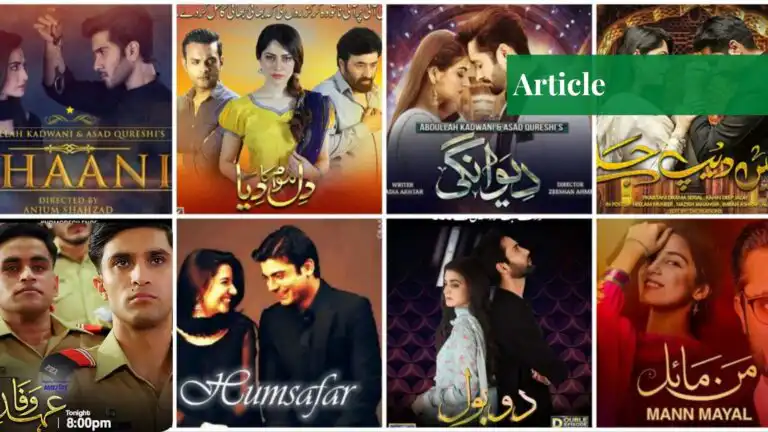
The 2000s steered into a new era for Pakistan’s media landscape. Private channels like Geo, Hum TV, and ARY Digital entered the market, lengthening creative freedom and bringing in a wave of experimentation. Pakistani producers, who were inspired in part by the success of Indian television’s emotionally driven soundtracks, began to explore music’s potential to upsurge storytelling. The shift became evident in 2011 with the “Humsafar” OST sung by Qurat-ul-Ain Balouch. The evocative lyrics and melody became an anthem, bolstering the OST’s role as a central part of the viewing experience. “Humsafar” also captured the attention of Pakistan’s diaspora, which sparked a wave of interest in Pakistani dramas across the globe.

Another major player was Coke Studio, which reshaped the landscape of the music industry. It was launched in 2008 and produced by Rohail Hyatt, a former member of the iconic band Vital Signs. Hyatt’s vision for Coke Studio was to bring limelight to Pakistan’s rich musical heritage by blending classical and folk traditions with modern genres like rock, jazz, and electronic music. Through Coke Studio, Hyatt not only distinguished Pakistan’s cultural diversity but also made regional music reachable to a younger generation raised on more Western sounds. Coke Studio’s impact heaved into the world of drama OSTs, inspiring producers to incorporate a similar mixture of musical styles, thereby inspiring the soundscape of Pakistani television.
Beyond artistic changes, technology has played a revolutionary role in amplifying the reach of OSTs. With the rise of digital platforms like YouTube and Spotify, OSTs have excelled beyond geographic boundaries, reaching listeners worldwide. A single track, like Rahat Fateh Ali Khan’s OST for “Mere Paas Tum Ho,” has gained over a billion views, resonating with listeners who may never even watch the drama. The rampant availability of OSTs online has turned them into standalone musical marvels, glimmering a renewed rise for Pakistani music globally.
Yet, this unparalleled popularity has also brought about new challenges. The pressure to create the next viral OST has sometimes led to systematic compositions emphasising commercial appeal over originality. Critics argue that this focus on popularity can diminish the authenticity of Pakistani music, reducing OSTs to boring motifs that lack the richness of the country’s diverse musical traditions and cultural history. A 2018 study by the Institute of Business Administration’s Center for Excellence in Islamic Finance highlighted the importance of cultural veracity in Pakistani music, noting that a balance between artistic countenance and commercial success is decisive in upholding the legitimacy of local music.
Historically, Pakistani music has served as more than just entertainment; it has been a lorry for social annotation. During the political repression of the 1980s, musicians found ways to address social issues subtly through their art, often using representation and traditional sounds that held deep cultural resonance. Today, the narratives that OSTs support often challenge complex issues such as family dynamics, gender roles, and social justice. Dramas like “Udaari” and “Khuda Mera Bhi Hai” explore themes of abuse, inequality, and acceptance, and their OSTs add layers to these stories, allowing music to deepen the audience’s emotional engagement with the questions presented.

Pakistani drama OST (original sound tracks) have also become a platform for celebrating Pakistan’s cultural diversity, with many soundtracks combining instruments and classes from across the country’s various regions. From the earthy sounds of Baloch and Sindhi folk music to the energetic rhythms of Punjabi dhol and Pashto rubab, these elements bring a reliable touch to the dramas, grounding them in Pakistan’s cultural roots. Coke Studio played an important role by restoring audiences to the musical traditions of Pakistan’s provinces and creating a shared cultural experience that outdoes regional and linguistic boundaries.
While Western influence is evidently growing in OSTs, the producers and musicians working in this space often strive to integrate these elements thoughtfully, ensuring they enhance rather than outshine Pakistan’s unique musical heritage. Gen Z audiences, in particular, have shown a great interest in this new hybrid music, which echoes both their connection to Pakistan and their exposure to new global trends. This adaptation of Western styles, tied with traditional music, has given Pakistani OSTs a distinguishing identity that appeals to a wide range of listeners.
Preserving the balance between cultural authenticity and global trends remains a main challenge for the OST landscape. In their struggle to reach a wider audience, Pakistani dramas must direct this elusive line, preserving the wealth of the nation’s multi-heritage while evolving to meet modern-day tastes. Rohail Hyatt’s work with Coke Studio symbolizes this balance, an example of how Pakistani music can embrace tradition, innovation and new world trends. Hyatt’s legacy has left an ineffaceable mark on Pakistani OSTs, inspiring artists to explore new sounds while honouring the cultural backgrounds that define Pakistani music.
The recent global fuss over Pakistani OSTs has altered the music industry into a dynamic cultural bridge, conveying Pakistan’s rich musical heritage to an international audience. The prevalent appeal of these soundtracks has paved the way for alliances with composers and musicians from around the world, kindling a wave of creative exchange and exploration.
Today’s OSTs serve a dual role: they augment the storytelling of TV shows while at the same time depicting strong culture, demonstrating Pakistan’s evolving identity. This recent global attention has inspired young Pakistani artists to showcase their abilities and to craft compositions that balance classical South Asian melodies with modern-day trends, from jazz to electronic elements. This global popularity has uplifted Pakistan’s cultural narrative and positioned its music industry as a pivot for cross-cultural dialogue. The flight of Pakistani music manifests a noticeable success that echoes beyond national boundaries, symbolizing an enduring and ever-evolving story.
Today, OSTs are more than just soundtracks—they are cultural relics, apprehending the soul of Pakistan’s social progress and offering a musical tale that echoes with audiences worldwide. The continuing journey of Pakistani OSTs voices a larger narrative of resilience and adaptability, reflecting a Pakistani nation that is proud of its cultural heritage yet open to the impacts of a rapidly changing world. As music continuously evolves, it will no doubt remain a spirited part of Pakistan’s cultural landscape, a witness to the power of music to honour heritage and new worldly trends.
If you want to submit your articles and/or research papers, please check the Submissions page.
The views and opinions expressed in this article/paper are the author’s own and do not necessarily reflect the editorial position of Paradigm Shift.

She is a mass communication student at FCCU passionate about crafting stories and engaging with diverse media platforms.