Amid digitalization, Pakistan, a country with a rich and varied cultural legacy, finds itself at the nexus of tradition and modernity. Preserving the nation’s cultural identity is more important than ever since it has historically been a melting pot of civilizations, from the Indus Valley to the Mughal Empire. While digitalization, along with modernization and globalization, has many positive effects in today’s rapid global world, it has also brought up problems that endanger Pakistan’s distinctive cultural fabric. That is why studying the impact of social media is critical in this day and age.
The spread of digital media, social media usage, technological advancements, global trade, and cross-cultural interactions have all contributed to Pakistan’s journey toward globalization. The increasing usage of mobile phones and the internet has made Pakistan more globally connected than before. Millions of people nationwide are impacted by the foreign ideas, lifestyles, and trends introduced by platforms like social media, streaming services, and international markets.
Globalization offers economic growth, exchanges of people, and the spread of knowledge. However, it has also resulted in some cultures, especially Western ones, being favoured over others. According to platforms like YouTube, TikTok, Spotify, and Netflix, 75% of Pakistani streaming material is foreign, overshadowing domestic products. This change impacts traditional creative forms that struggle to compete with globalized content, such as theatre, poetry recitals, and classical music.
The excessive use of social media and inappropriate content can undermine Islamic principles of modesty and respect for personal boundaries. Sharing private and daily lives online can conflict with Islamic values of preserving dignity. Exposure to moral relativism and secular ideologies can confuse young minds about ethical distinctions. Misuse of technology raises ethical concerns, and privacy violations contradict Islamic values of justice and mutual respect.
Social media impacts cultural values, frequently elevating materialism and individualism above traditional parental and social norms. This change is especially apparent in younger generations, who increasingly disregard local customs in favour of global trends.
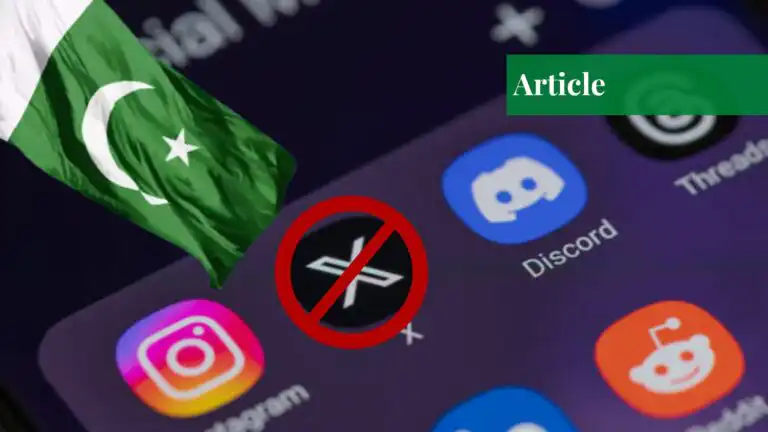
By 2024, Pakistan will have over 150 million social media users, significantly influencing communication and cross-cultural expression; for intercultural communication, social media sites like Facebook, Instagram, TikTok, and X (Twitter) have gained popularity. Pakistan’s PTA statistics show that social media creates cultural norms and values, encourages cultural expression and awareness, and makes it challenging to preserve the country’s distinctive cultural identity.
Indigenous people’s customs and languages are often marginalized due to cultural homogeneity. UNESCO reports that one language is lost every two weeks, putting 40% of the 7,000 languages worldwide at risk of extinction. Over 70 languages are spoken in Pakistan, and 28 are critically endangered. According to the 2024 Ethnologue study, regional languages are marginalized by the prevalence of English and Urdu on social media platforms. The loss of linguistic diversity in Pakistan is exacerbated by just 6% of online material being in regional languages like Pashto, Sindhi, or Balochi.
Negative Impact of Social Media
The excessive use of Western content on social media is causing a slow loss of local traditions and values. According to a 2024 study by the Pakistan Institute of Development Economics, 68% of urban youth prefer Western-style entertainment and fashion, undermining indigenous customs and values. A rising disconnection from local tradition is seen in the fact that, in 2024, just 12% of hashtags on Pakistani X were associated with indigenous cultural events or customs. Another report by the World Economic Forum states that in 2024, 90% of digital material will be created in only 10 languages, leaving thousands of other languages underrepresented online.
The focus on Western-style education frequently ignores the history and cultural studies of Indigenous peoples. According to a survey conducted in 2024, 75% of urban Pakistani school curricula do not include regional literature or traditional knowledge, exacerbating the generational divide. Younger generations frequently exhibit indifference to native customs and practices due to their exposure to global media and digital lifestyles. According to a Pakistan Cultural Foundation survey from 2024, 68% of young people in cities are ignorant of their local folklore or traditional arts.
According to another report by the World Bank, over 55% world’s population now lives in cities, a figure expected to rise to nearly 70% by 2050, posing significant challenges for housing, infrastructure, and climate resilience. In 2024, the World Bank estimates that 37.7% of Pakistan’s population would live in urban areas. Rural areas have been absorbed by cities’ fast growth, undermining unique indigenous heritages. For instance, 2024 research by the Urban Development Institute shows that traditional cultural activities have decreased in rural districts surrounding Karachi and Lahore over the past ten years due to urban encroachment.
Cultural preservation aims to preserve a country’s identity, values, and customs, not just objects, languages, and traditions. Pakistan’s cultural variety, influenced by the Indus Valley, Persian, Central Asian, Mughal, and British civilizations, is a source of pride and strength that shapes its global identity.
Traditional communities have been split up by migration to cities and other countries, which has affected shared cultural customs. According to the 2024 Pakistan Migration Report, more than 10 million Pakistanis reside abroad, frequently absorbing cultures from other countries and influencing local traditions.
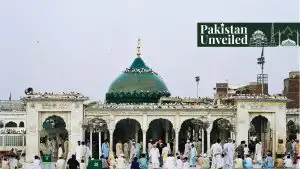
Data gathered by the National Institute of Folk and Traditional Heritage shows that the number of qawwali performances at traditional Sufi Shrines has been decreasing which may result in the loss of Pakistan’s intangible cultural heritage, including traditional arts like shadow puppetry and calligraphy.
The Pakistani government is actively involved in safeguarding cultural assets through various projects, programs, and initiatives. The National Heritage Division, Lok Virsa Museum, and Pakistan National Council of the Arts are under the Ministry of Culture’s jurisdiction. The Antiquities Act of 1976 and the Federal Cultural Property Export Control Ordinance of 1982 established laws for safeguarding cultural assets. The government also organizes cultural festivals and has classified many historical sites as national heritage sites.
Despite advancements, issues including urbanization, climate change, and political unrest still pose a threat to cultural preservation. Pakistan’s cultural institutions, artists, and educators must balance modernization and preservation to support traditional practices. Digital platforms can preserve and promote cultural history, reaching younger tech-savvy audiences. Pakistan’s identity and future depend on preserving its culture, which can be shaped by combining traditional components with modern concepts. Writers, singers, filmmakers, and fashion designers are experimenting with fusing old and modern elements. Pakistan can use its cultural legacy as a soft power tactic and participate in cultural diplomacy, which includes international art exhibitions, film festivals, and music collaborations.
If you want to submit your articles, research papers, and book reviews, please check the Submissions page.
The views and opinions expressed in this article/paper are the author’s own and do not necessarily reflect the editorial position of Paradigm Shift.

The writer is Arslan Mehndi Nekokara, Lecturer at GCUF Chiniot Campus. He did an MPhil in Political Science from Punjab University Lahore.

Dr. Muhammad Umar Zafar is a lecturer at Government College University Faisalabad, Chiniot Campus. His specialization lies in Medical Sociology, Gender Inequality, Human Rights, & Social Work.