Hidden in the labyrinth of streets in Peshawar’s old city is Sethi House, a 19th-century architectural masterpiece that flaunts the wealth and architectural expertise of a reputable Sethi merchant family. This impressive haveli is in addition to the larger Sethi Mohallah or Sethian Mohallah, and shares dozens of lavishly decorated homes in Central Asian flavoured wooden architecture. One of these mansions is currently carefully restored and converted into a museum, giving an exceptionally rare insight into Peshawar cultural and commercial heritage of the past.
Historical Background
The Sethis are Hindu Khatris who moved to Peshawar through Jhelum at the beginning of the 19th century. They gained great wealth as a result of vast trade systems across Central Asia to Russia, and this allowed them to take the influences in their architecture on board. The flagship building was created by Seth Karim Bakhsh Sethi, and construction started circa 1835. The complex was completed in full glamorous satisfaction in 1884. The Sethis were not only generous people, but they also sponsored wells and Lady Reading Hospital and donated to the Islamia College Mosque. They moved into the veins of the social life of Peshawaris.
Architectural Features
Sethi House in Peshawar is an architectural masterpiece with a combination of the Mughal, Gandharan, Persian, Uzbek, and British colonial styles. It goes on to bear the testimony of the broad interests of the mercantile family. The definite aesthetic of Sethi House is incomparable to the vernacular tapestry of Peshawar.
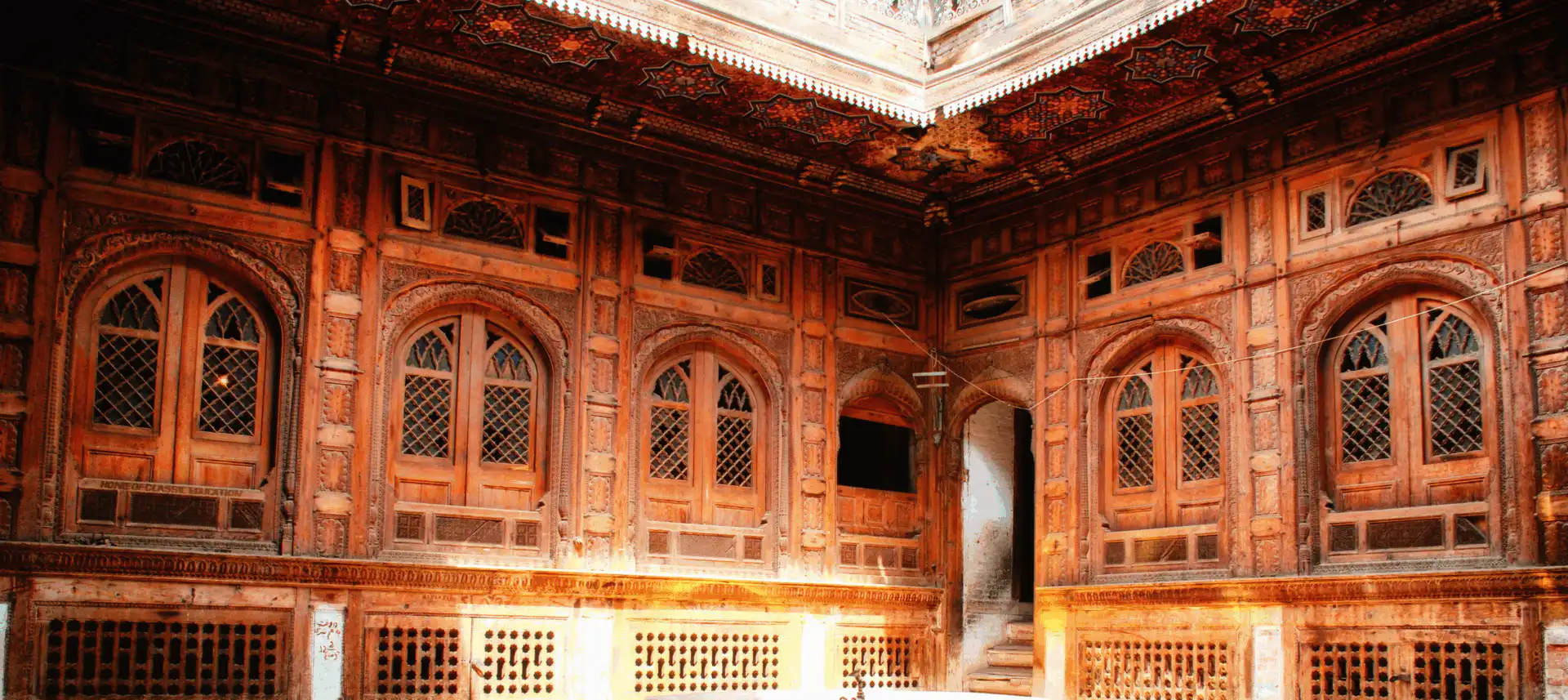
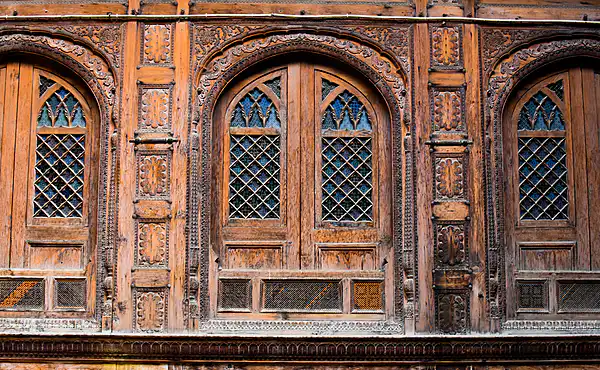
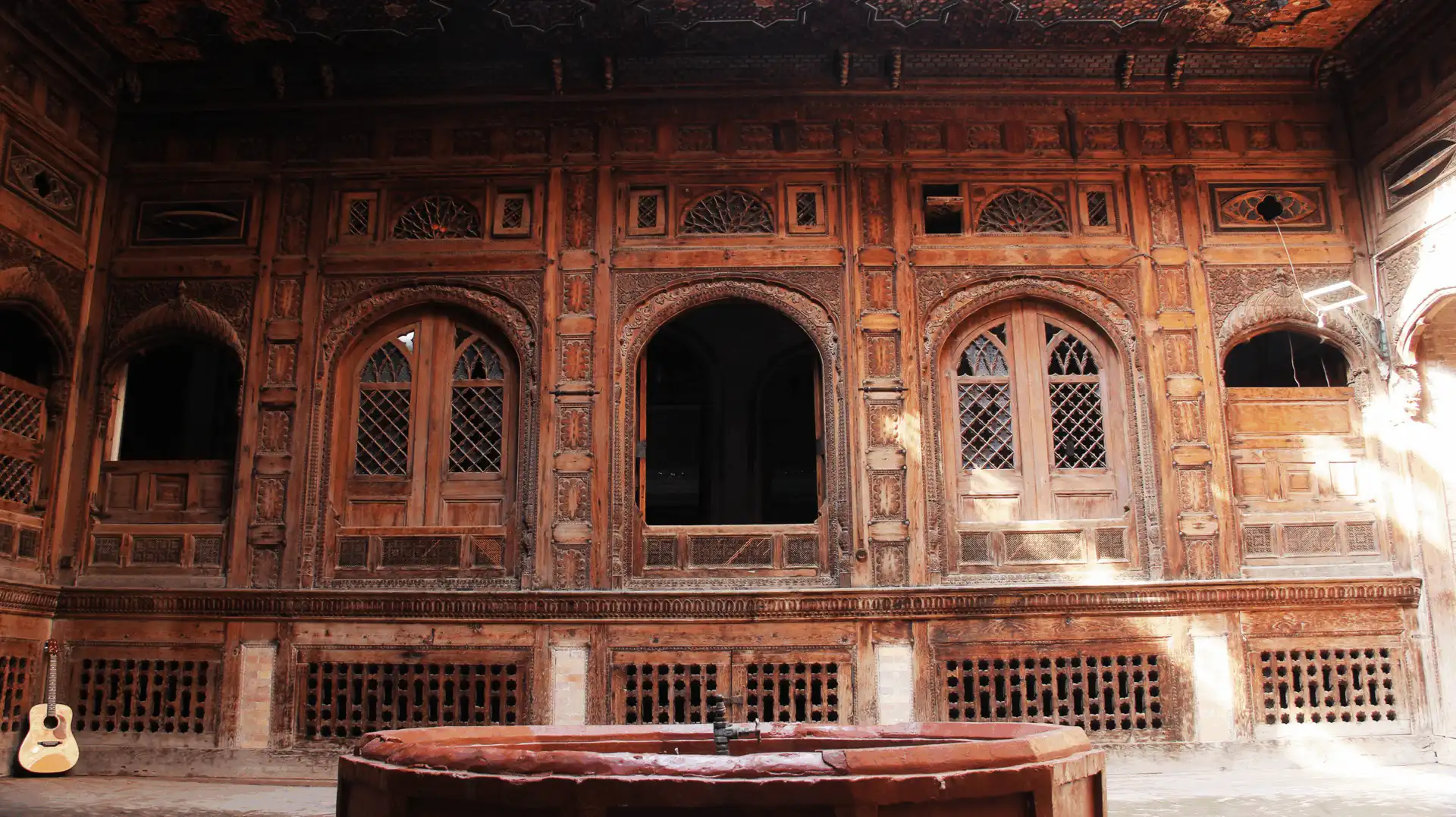
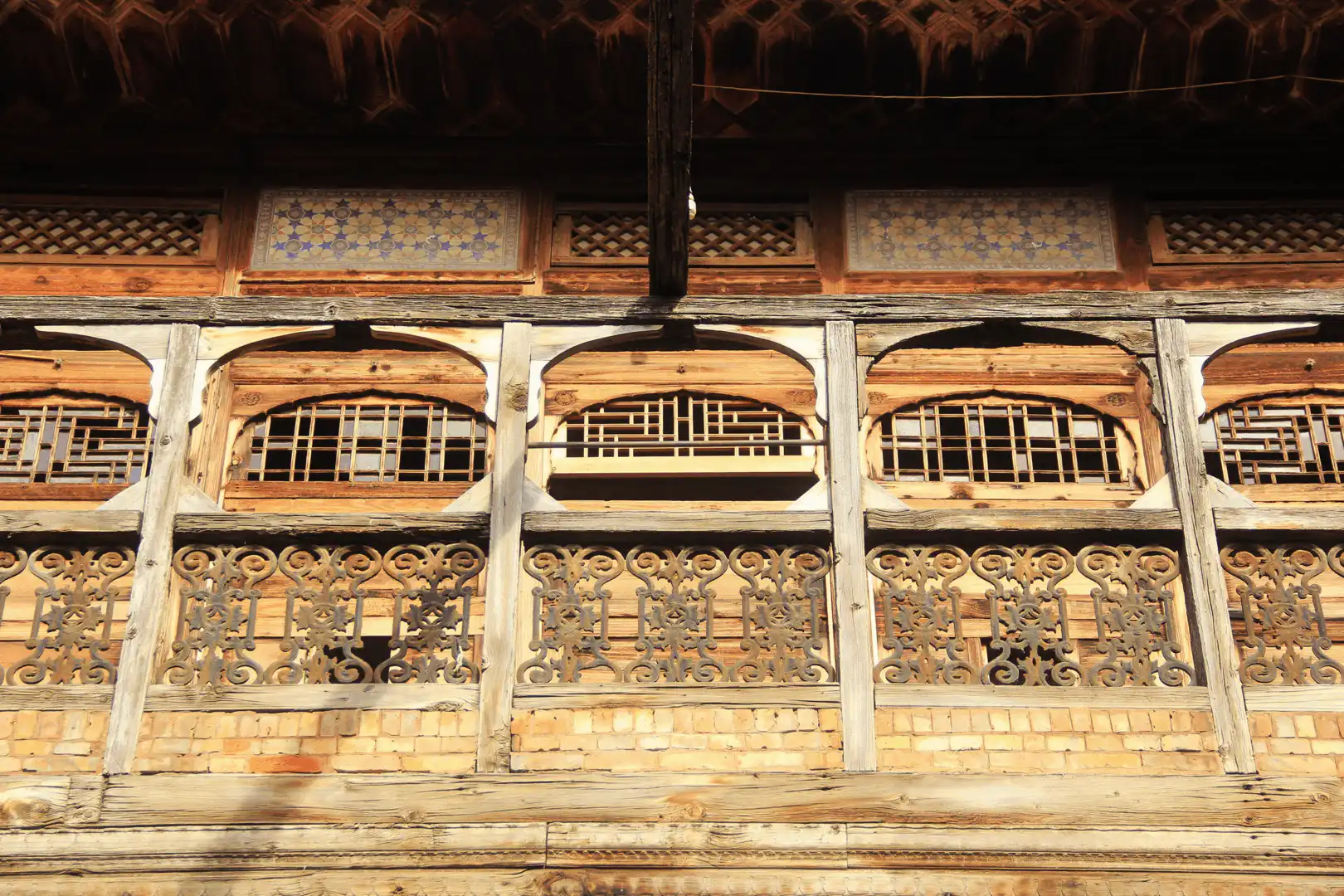
The outside and inside flanks of the house are lined with carved wooden panels, balconies, pillars, and doors. Sophisticated woodwork was used by the craftsmen in making posts and tiers of braces evenly spaced, which characterizes Bukhara design (Naqoosh-e-Javidan).
Water Structures Courtyards
Around a square courtyard, the whole house comprises rooms that face into the middle of the house, giving the house a cooling shade and also a social space. A fountain in the middle has been decorated, which helps to keep the construction naturally ventilated. This gives a resemblance to the tradition of construction gardens inCentral Asia.
Basement (Tehkhanas) & Upper Storey (Balakhana)
The house also has various underground rooms (tehkhanas) used to control the heat in the house and an upper storey (balakhana) to create a panoramic views and get the airflow in, these are classical features of the north of South Asia (Naqoosh-e-Javidan).
Dalaans and Chini Khanas
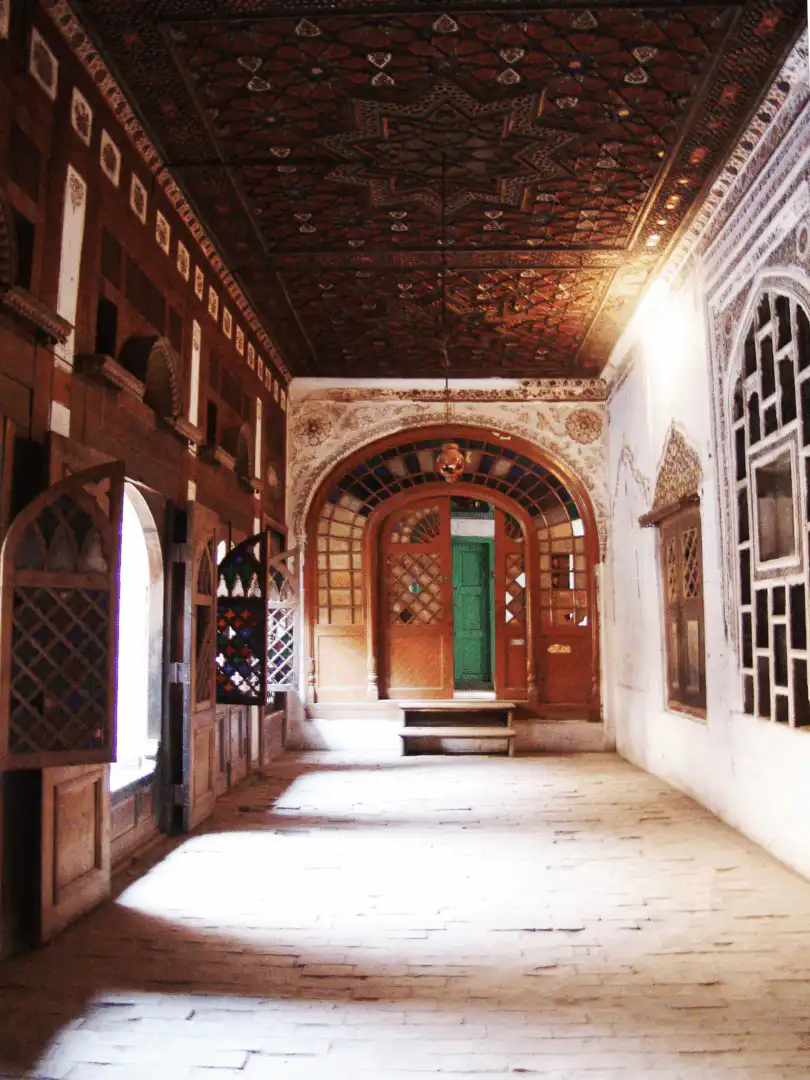
Big halls (dalaans) performed the functions of receiving rooms and family residential facilities, whereas selected corners (chini khanas) had been used to display valuable objects such as pottery, mirrors, and chandeliers.
Paintings and DC Glass Ceilings
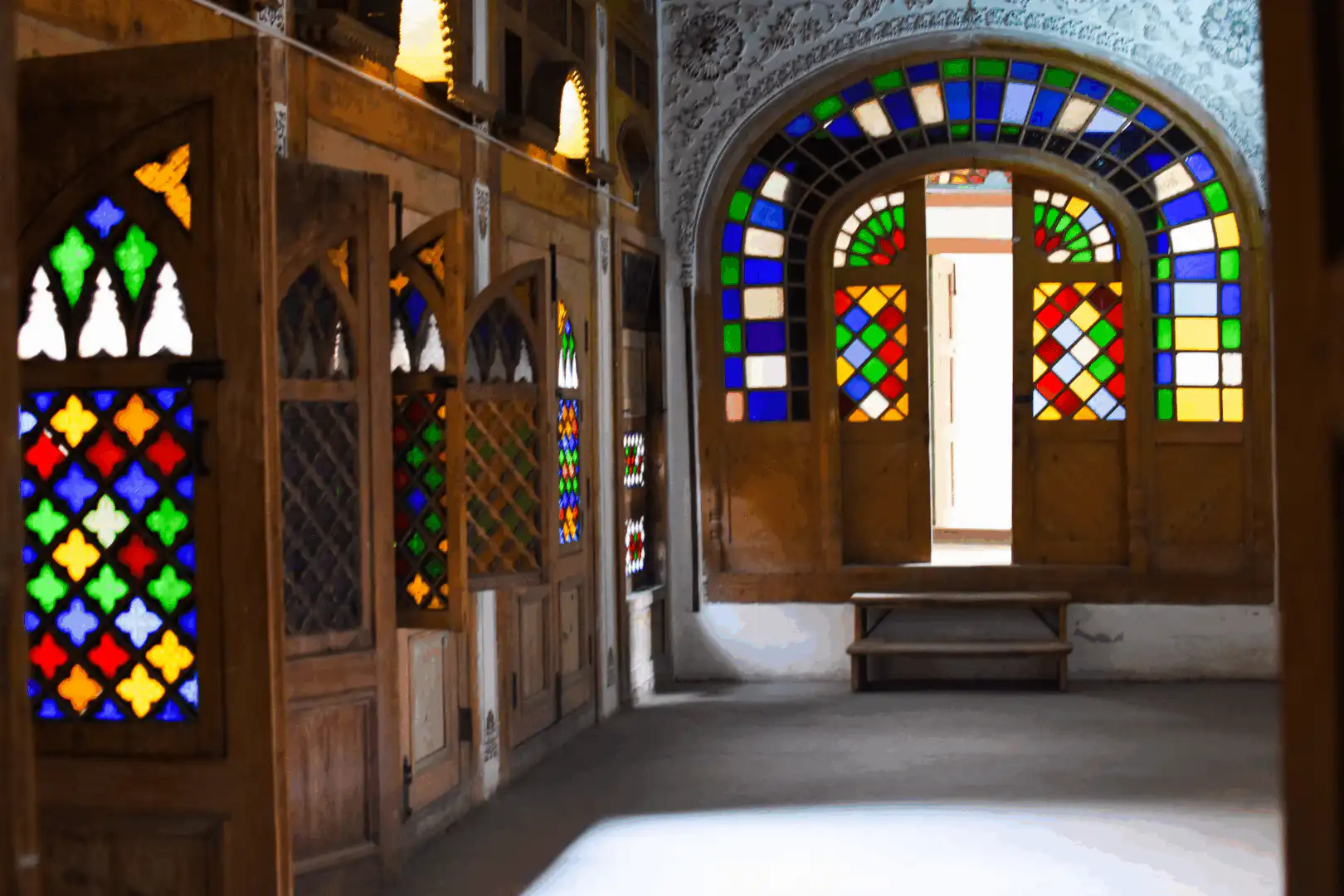
Ceilings are decorated in colorful frescoes and tarseem bandi (geometric painted patterns). Even the windows and doors are decorated with stained glass, so you get a jewel effect inside buildings once light reflects off of them.
Museum Conversion Restoration
The Sethi House in Peshawar was under the British colonial regime and then the Pakistani government after the Sethi family relocated in the early 20th century. In 1990, the Khyber Pakhtunkhwa Government recognized its cultural value and, as a result, decided to turn one house into a museum. The restoration and protection of fine woodwork, glasswork, fresco, and structural integrity were run by the director general of archaeology and museums.
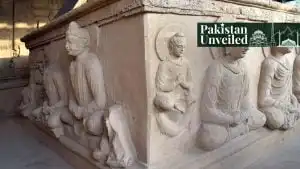
The restoration now allows visitors to stroll through authentic rooms with traditional furnishings, woodwork, stained-glass windows, and ceiling paintings that all reflect the life of upper-class merchant families in the 1800s. The museum artifacts include Gandharan Buddhist sculptures, Mughal era artwork, traditional carpets (tribal, Persian, Mughal), textiles, and ethnography.
There is a special research wing that gives scholars access to archives, photos, and literature on the history and cultural heritage of South Asia. The mansion is not only used for exhibitions but also for heritage walks, cultural festivals, and even for weddings and media shoots, all in the course of preservation and adaptive reuse. The movie Superstar was also shot there.
Visitor Information
Location: in Sethi Mohallah, between Ghanta Ghar and Qissa Khawani Bazaar, a 10-minute rickshaw ride distance to Peshawar Railway Station.
Operating Hours: Normally 9 AM-5 PM (Monday-Saturday), Closed on Fridays and national holidays (inquire locally).
The Entry Fee: ~PKR200 for normal citizens. Students can enter at the best rate of ~PKR80. One might be required to pay a little more for photography. Videography is strictly forbidden.
Guided Tours: The Sethi House museum presents guided tours framing architectural information, the commercial history of Sethis, and Peshawar heritage.
Other attractions in the neighborhood, you can also visit Qissa Khawani Bazaar, Gor Khatri, Mahabat Khan Mosque, and food corners as well.
Conservation & Heritage Status Problems
Most of the mansions of the Sethi Mohallah have been lost to neglect, inconsiderate remodeling and political conflict. Remaining buildings are at risk of running out of funds and being driven by urban pressures. The continual preservation of the Sethi House and the ensuing publicity contributes immensely to the emergence of heritage tourism, is useful in preserving local trades and in the support of civic pride.
Culture and Educational Value
At Sethi House, one does not simply observe architecture; one can read the actual history of multicultural Peshawar. The style of Peshawar, as a heritage site with a Silk Road influence, is a mixture of the Central Asian craftsmanship and beauty, Mughal art, and colonial functionality. It can be viewed as a combination of aesthetics, commerce, and the daily life of people living under British leadership.
Conclusion
Sethi House is alive today as an embodiment of 19th-century splendor, design, and the global identity of Peshawar. Refurbished and restored, the carved wood, painted frescoes, patterned glass, and scholarly archives offer a multi-sensory experience. It is the brightest example of heritage conservation under contemporary threats, demonstrating the significance of pre-industrial buildings in an urban landscape of South Asia. When visiting, you can take part in a guided heritage walk or visit during culturally organized events in the mansion.
If you want to submit your articles and/or research papers, please visit the Submissions page.
To stay updated with the latest jobs, CSS news, internships, scholarships, and current affairs articles, join our Community Forum!
The views and opinions expressed in this article/paper are the author’s own and do not necessarily reflect the editorial position of Paradigm Shift.