
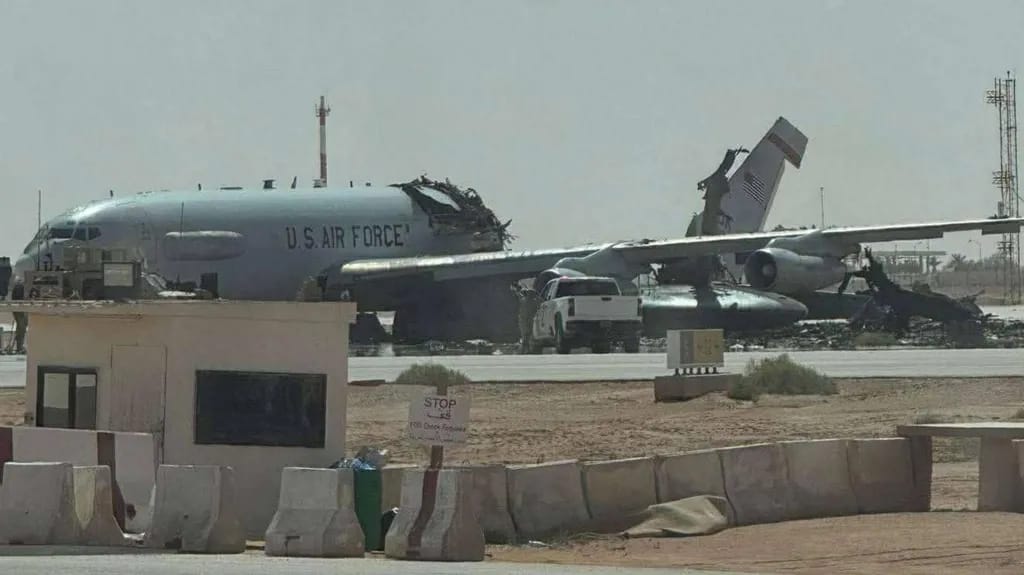
It is Friday, 27th March 2026. In the early hours of the day, emergency personnel scrambled to tend to the wounded from an attack. The Prince Sultan Air Base was surrounded by fire, and its equipment was damaged. One of them was the E-3G Sentry AWACS, which was also known as the ‘eye in the sky’. This degraded air coordination and exposed the vulnerability of even the most advanced surveillance systems.
Low-Cost Strike Systems and Asymmetric Warfare Doctrine
Medium Powers often cannot match bigger powers in technology, size, and economic strength, so they often rely on asymmetry. Asymmetric warfare allows them to disrupt, rather than dominate. The key is not to outright defeat but to raise the cost of escalation so that opponents rethink whether the wars are worth it.
The key weapons used are drones known as the “poor man’s air force”. These are unmanned systems that are often considered much cheaper than manned systems like fighter jets and tanks. The expensive weapons cost around $2 million, while drones cost less than $20,000. These weapons are used for precision strikes and surveillance.
Missiles are used in saturation of air defences and long-range strikes. By using mass volumes, these weapons target the gaps in defences, which lead to increased hyper alertness and fears of instability. A cheap offence that intimidates and raises the stakes is preferred over an expensive defence.
Use of proxies is often another way to increase influence while not engaging in a direct conflict. By having a network of alliances, it divides the time and resources of great powers, forcing them into wars of attrition. The goal is strategic sabotage by attacking the key economic interests of rivals on chokepoints, by targeting infrastructure like oil refineries and transportation that enable connectivity. With logistical dilemmas created by these attacks, nations are forced to deal with rising costs and threats of longer wars.
Cyberattacks and AI systems are also gaining use for Medium Powers. AI allows for autonomous targeting and decision-making, reducing reliance on human control.
Case Studies
Iran
Iran is one of the main nations using imbalanced warfare and endurance to deter superior forces like the U.S. and Israel. It uses drones, missiles, and proxies (Axis of Resistance) like the Houthis and Hezbollah to project influence and strike its enemies. From the “Mosaic Defence”, Iran ensures its leadership is decentralized and can act as independent units, even if the top leadership is decapacitated.
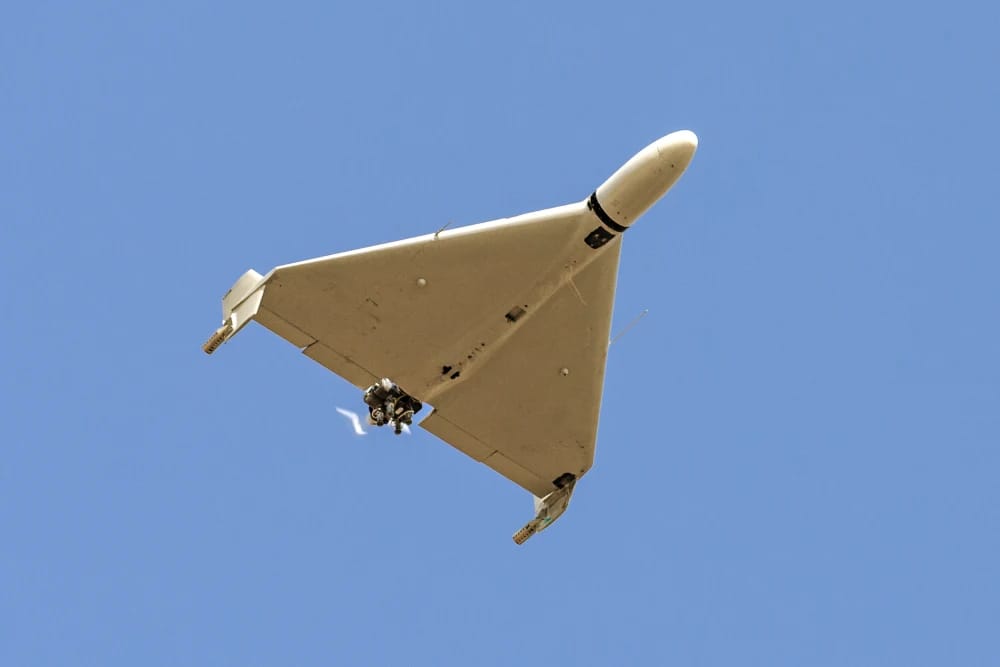
The main weapon of Iran has been the Shahed drone series (costing between $20,000 and $50,000), which struck multiple oil facilities of Gulf nations during its conflict with the U.S. and Israel. The closure of the Strait of Hormuz has further shown Iran’s leverage against great powers, which have to fight a costly war to reopen it.
The current example is of Iran downing a U.S. AWACS at the Prince Sultan Air Base in Saudi Arabia. This has caused the U.S. to lose the ability to detect incoming drones and missiles that can come from Iran, severely degrading its capabilities to maintain air dominance. Instead of challenging U.S. air superiority, Iran is making it costly for the U.S. to maintain it.
Pakistan
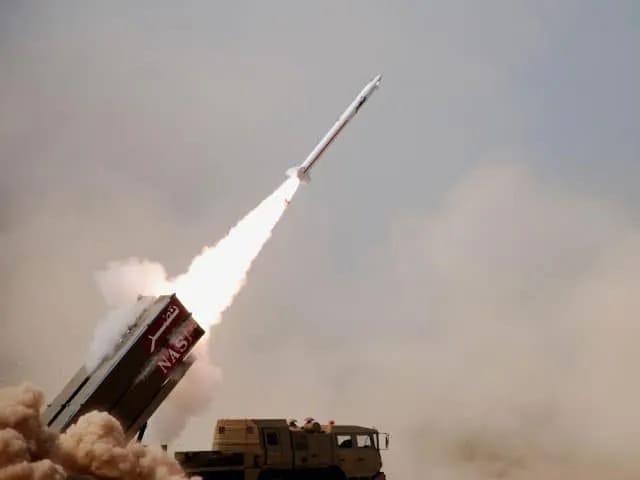
Pakistan’s main rival in South Asia is India, which has a larger conventional military and highly advanced weapons. Being at a conventional disadvantage, Pakistan resorted to the use of low-cost, effective deterrence. With the nuclear option, even a limited strike by India would raise the possibility of a larger war and even a nuclear one. It aims to deter aggression at all levels with multiple options, from high-yield strategic missiles to low-cost tactical nuclear weapons like the Nasr missile under the Full Spectrum Deterrence (FSD).
Under the cover of nuclear weapons, Pakistan is also actively investing in cyber capabilities, AI, electronic warfare, and drones to hold India even in a limited conflict and negate the advantage of conventional superiority. By doing this, Pakistan adheres to the idea of “ Bleed India with a Thousand Cuts.” This was seen in the May 2025 conflict with India, where Pakistani cyberattacks disrupted a significant portion of infrastructure in India.
Ukraine
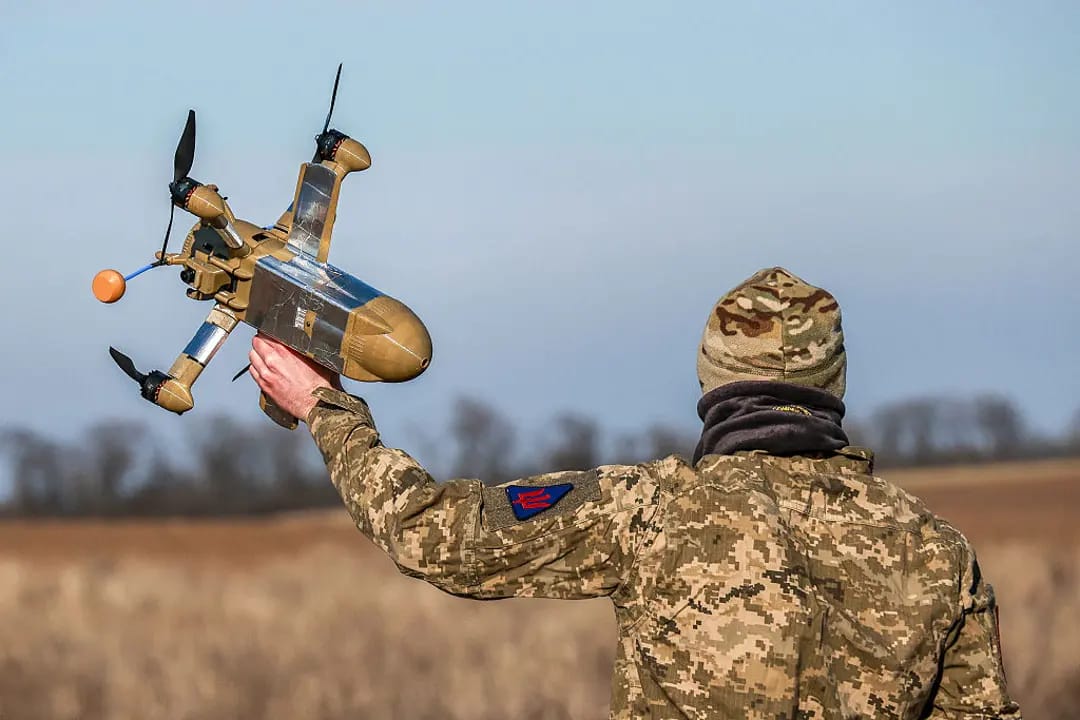
Ukraine is considered one of the main medium powers behind low-cost innovation in technology, which has allowed it to hold its own against a larger power, Russia. Examples of this are denting Russia’s Black Sea Fleet, which has been dented by Ukrainian USVs ( unmanned surface vehicles). Further attacks by using First Person View (FPV) drones on Russian tanks and artillery by Ukraine are aimed at forcing peace negotiations with higher casualties.
Ukraine has used dedicated interceptor drones like the Sting and Wild Hornet to counter Shahed drones used by Russia, jamming or destroying them. Reports even indicated that Ukraine shot down nearly 94% of the drones. This has led to many states, like the U.S. and Gulf States ( Saudi Arabia, Qatar, and the UAE), being interested in Ukrainian anti-drone technology. Saudi Arabia even signed a 10-year deal with Ukraine to leverage its expertise in countering Iranian drones, with drone interceptors costing $1,000-$5,000 per intercept. AI systems like Hivemind are also being used, which allow drones to strike despite being jammed.
Hezbollah
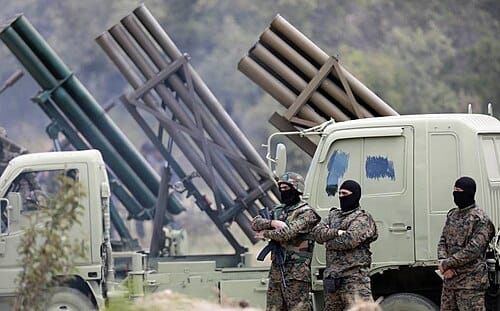
The premier proxy of Iran in the Middle East and a non-state actor, Hezbollah, is considered a deterrent to direct attacks on Tehran. It operates in Lebanon as a “state within a state” with political ties to the Lebanese Parliament and the paramilitary wing ( Jihad Council).
Estimates suggest that Hezbollah has tens of thousands of rockets and missiles, which include both short and medium-range rockets that can strike deep into Israel. In October 2024, Hezbollah struck Israeli camps at Binyamina with suicide drones, exposing the limits of advanced air defence systems against slow threats. This has caused Israel to wage a war of attrition against Hezbollah with no clear victor on either side. Despite being weakened by the elimination of its leaders, Hezbollah remains active and endures Israeli attacks.
Key Lessons
Asymmetric warfare has given a plethora of lessons to those nations and states that mastered it. Advances in technology continue, but these are timeless lessons:
Strategic patience: Making maximum use of limited resources yields results. It teaches that management and operating well under constraints.
Foresight: Acting at the right moment is more important than acting at the wrong one. Without being aware of conditions, failure is inevitable.
Cost-efficiency: The weapons and resources used were cheap, but they were useful. It is a reminder not to replace things that can still be used and still create high strategic impact.
Adaptability: Change is inevitable, so nations and individuals should always plan for it and keep adjusting strategies.
Conclusion
Limitations no longer define medium powers, but by how effectively they use them. In modern warfare, dominance is no longer determined by size alone, but by the ability to impose costs, exploit vulnerabilities, and sustain disruption.
Watch this video for more information: https://youtu.be/mnX7hE-9OK8?si=6BNNW1W9gol9-zBH
If you want to submit your articles and/or research papers, please visit the Submissions page.
To stay updated with the latest jobs, CSS news, internships, scholarships, and current affairs articles, join our Community Forum!
The views and opinions expressed in this article/paper are the author’s own and do not necessarily reflect the editorial position of Paradigm Shift.

Ahmad Abdullah Younas writes on geopolitics, history, strategy, and power dynamics. He is the creator of Legends Unlimited HQ, a platform where he publishes in depth strategic analysis.