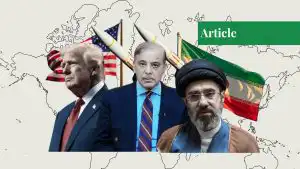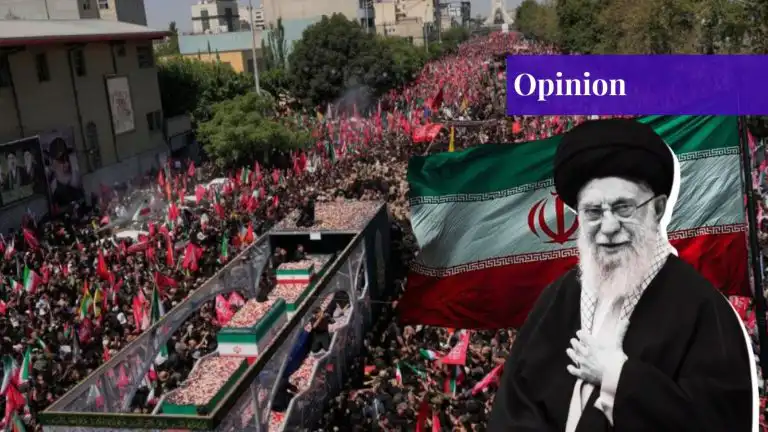
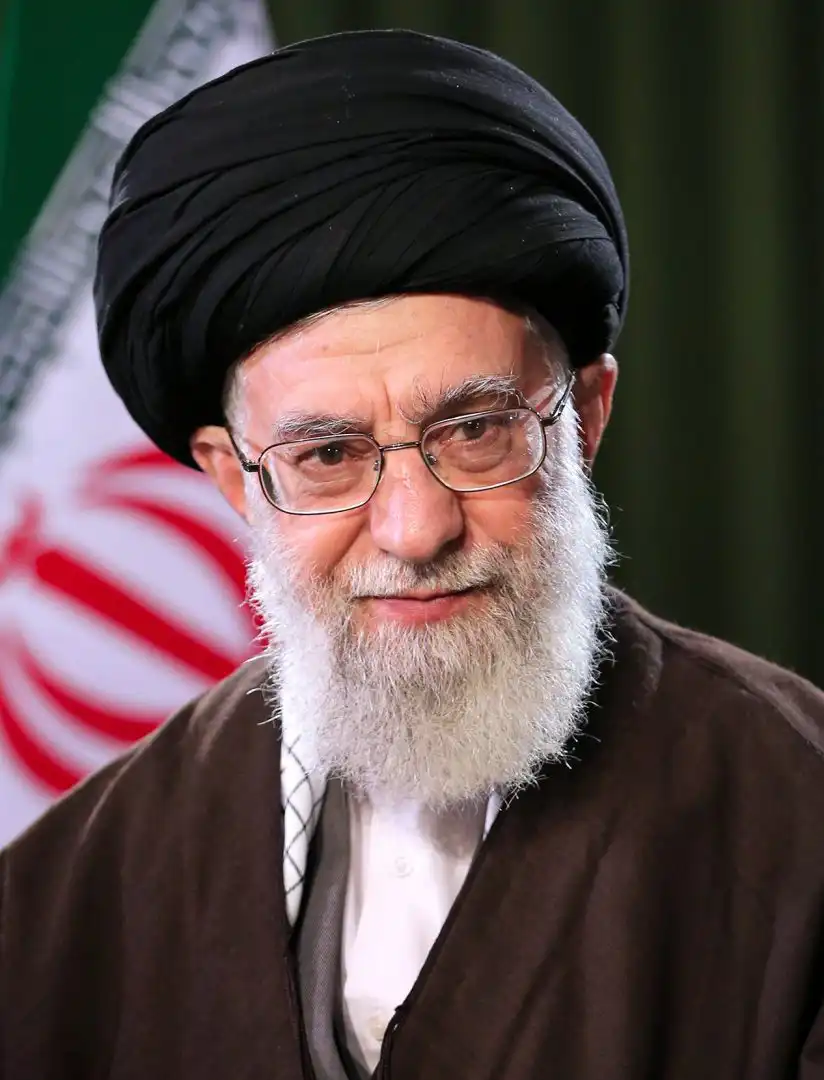
On 4 July 2026, the United States of America celebrated its 250th anniversary of independence; at the same time, Iran began preparations for the funeral of its spiritual leader, Ayatollah Ali Khamenei, and opened the gates of the Grand Mosalla in Tehran. On 28 February, the USA launched the strikes on Khamenei’s residence; the results were disastrous and caused his death along with close family members. Iranian media is reporting that approximately fifteen to twenty million mourners have attended the funeral and ritual grief of their supreme leader. Two nations and two different situations on the same day. One is celebrating a party that it did not fully justify, while the other is burying a man who stood with his nation till death.
This is not a small irony. It is the story of the year.
From Epic Fury to the Versailles MoU
Washington and Tel Aviv started their operations, Epic Fury and Roaring Lion, against Iran at the start of 2026 with the belief that war would be decisive and short. The death of their leader would be the last nail in the coffin, but Iranian leadership showed that they followed an ideology, not a person. They dragged on the war for months and brought the superpower to the negotiation table. Iran surprised its enemies with asymmetric warfare and maritime strategy, as the closure of the Strait of Hormuz was a major setback for the world.
The fuel prices and inflation climbed from Tokyo to Islamabad. The superpower with one of the world’s largest militaries was unable to reopen one of the most crucial paths for the transport of goods and oil. Washington had to negotiate again and again and at last signed an MoU in Versailles on 17 June. As a result, Hormuz was reopened, with the announcement that Iranian assets would be unfrozen and sanctions would be lifted gradually, according to Iranian media. In simple words, the USA had to agree to most of Iran’s terms for the reopening of the strait that was already open before its attack.
A Fractured NATO
In the funeral of the Iranian supreme leader, delegates from more than one hundred states, including Pakistan, China, Russia, Saudi Arabia, and Afghanistan, participated. It showed that Iran was not isolated diplomatically on a global level. While America was busy rehearsing the fireworks and traditional flag ceremonies over the National Mall, without any global headlines. The unity of NATO is badly affected in this war, and the states, including Germany, Spain, Italy, the UK, Australia, Japan, and South Korea, all rejected Trump’s call for the military effort to reopen the Hormuz.
Germany’s defense minister openly said that this is not our war. Donald Trump was furious with the role of NATO members and called them ‘‘cowards’’ and also gave a warning about leaving the alliance. This kind of language by the leader of a superpower showed the frustration about the fact that even his closest allies would not join him in every fight.
A New Kind of Independence
4th July was supposed to be a day of celebration for the nation that assumed at the start of the year that its victory was inevitable. The ground realities have changed the circumstances and reversed the role; millions of people gathered in Tehran for the funeral, not for the celebration of winning the war. Despite having civilian loss and a shattered economy and infrastructure, the huge number tells a different story, and Washington can’t deny it. Even while burying their martyrs, there was a kind of summons of victory by the addressees.
When an economically sanctioned state with comparatively weak military capabilities and a population of ninety million refuses to hand over its strait for free. It showed bravery and buried its leader before millions of people from all over the world; it was not just a survival but a strategic victory in these kinds of wars. Missiles can destroy buildings and kill people, but they could never shatter the will and morale of a nation. Iranian officials and people showed that spirit and forced a superpower to negotiate on their own terms and conditions.
It is very difficult for commentators to declare who won the war, because no document will ever show it publicly. It is decided by the facts who requested the negotiation first, who accepted the demands of the adversary, and who is still standing tall enough, even in mourning, to call this July their own kind of independence day.
If you want to submit your articles and/or research papers, please visit the Submissions page.
To stay updated with the latest jobs, CSS news, internships, scholarships, and current affairs articles, join our Community Forum!
The views and opinions expressed in this article/paper are the author’s own and do not necessarily reflect the editorial position of Paradigm Shift.

Abrar Hashmi is associated with the Institute of Regional Studies, Islamabad. He is also a student of international relations at Government College University, Lahore.