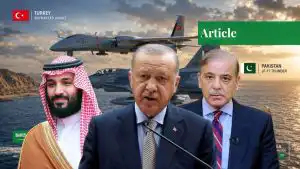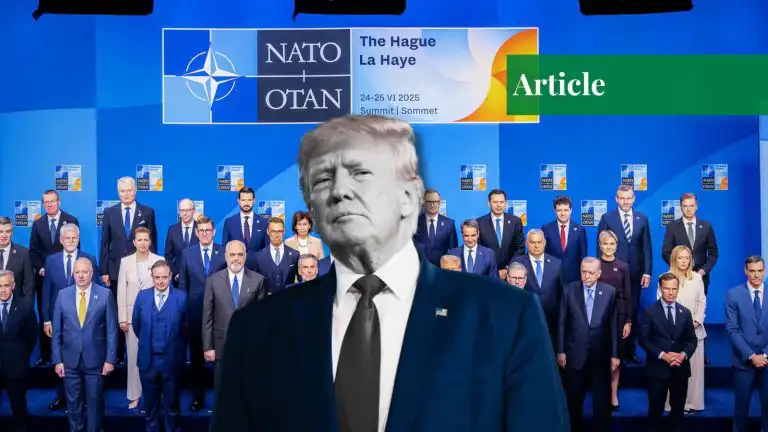
“President Trump fully expects that all allies will step up immediately and get on the path to 5% and do it with urgency.”
Matt Whitaker, U.S. Permanent Representative to NATO, July 2026
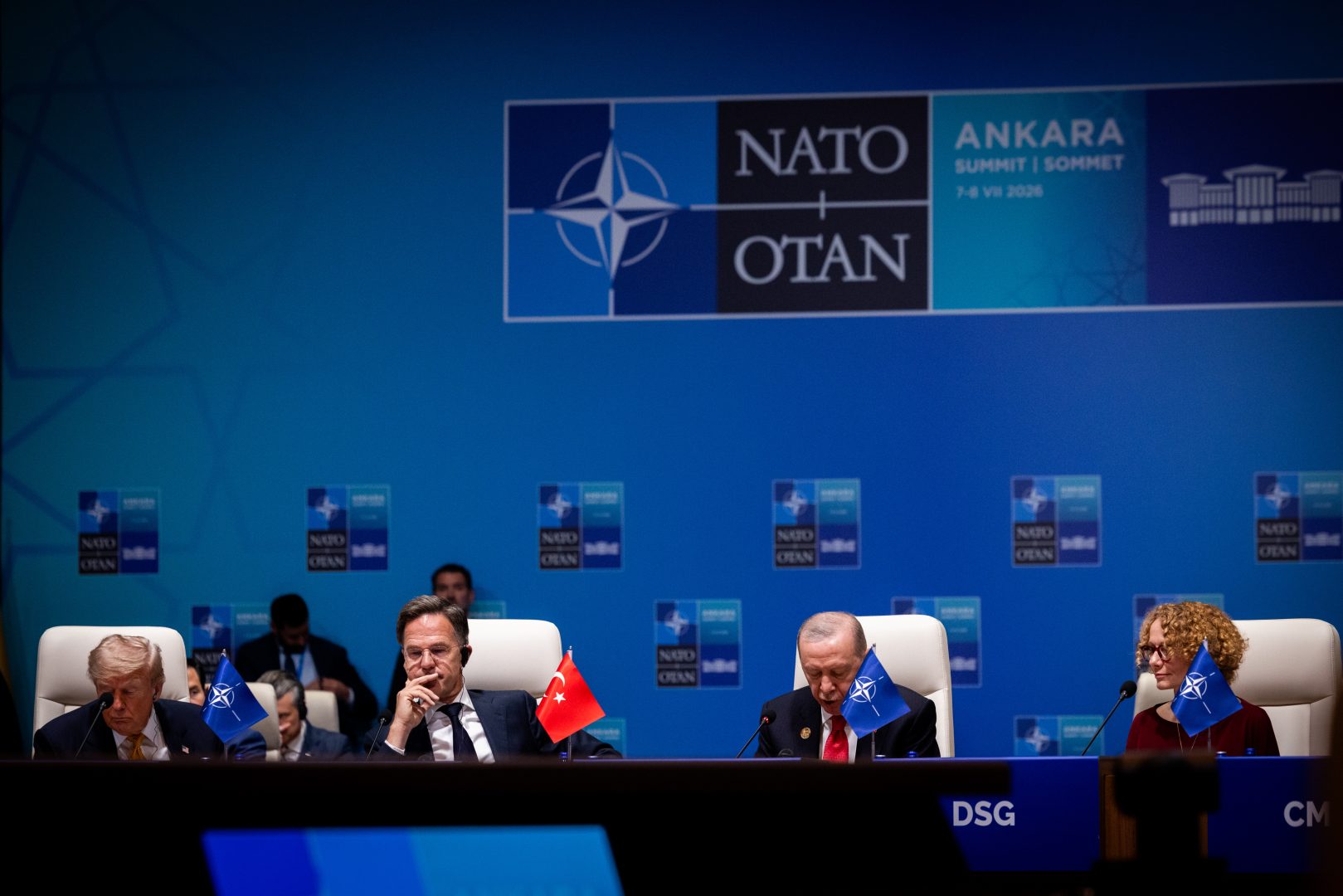
The 2026 NATO summit in Ankara (7–8 July) was designed to transform political commitments into tangible military capability, secure multiyear backing for Ukraine, and navigate transatlantic tensions—particularly those driven by President Donald Trump’s demands on defense spending and regional alignment. Rather than unveiling new doctrines, the gathering focused on converting pledges into production, financing, and visible burden‑sharing that Washington could present as a triumph.
The Summit Agenda: Capability, Cash, and Cohesion
Defense Investment and the 5% Target
At the heart of the summit lay the push toward 5% of GDP defense‑and‑security spending by 2035, extending the trajectory set at The Hague. NATO Secretary General Mark Rutte and allied leaders framed this milestone as the bedrock of “industrial deterrence,” where manufacturing capacity, logistics, and funding form the core of military strength. The agenda prioritized ramping up arms production, eliminating internal trade barriers, and accelerating defense innovation to ensure readiness translates into real-world capabilities. As a result, European governments had to make difficult budget decisions while managing economic recovery and energy transition goals. Although an increase in public spending programs helped to strengthen strategic independence, it also forced governments to redistribute public spending.
Ukraine: Locking in Long‑Term Aid
Ukraine remained a central focus. Allies committed €70 billion in 2026 for military equipment, training, and assistance, with sovereign pledges to maintain at least equivalent support through 2027. This shifted Ukraine aid from reactive packages to a stable, multi‑year framework, largely channeled through the EU’s loan facility to finance defense procurement and domestic industrial growth. The message was unmistakable: Europe is becoming the primary financial backer of continental security, even as the U.S. concentrates on technology transfers and co‑production arrangements. This realignment carries major implications for the future. Although the USA keeps its influence through intelligence and advanced technology, Europe is carrying a large share of the financial cost of Ukraine’s defense.
Southern Flank and Iran
The declaration reaffirmed that Iran must never acquire a nuclear weapon and urged Tehran to respect freedom of navigation in the Strait of Hormuz, language shaped by ongoing regional escalation and U.S. strikes over shipping disruptions. This positioned the southern flank as a live test of alliance unity: would members align with Washington’s mid-summit actions or pursue independent courses that risked transatlantic strain? The responses of the European countries are not the same. Those countries seem cautious about the escalation of conflict in the Middle East, which depends on the Gulf states for their energy needs. While other countries, those that have strong ties with America, supported Washington’s actions but also encouraged a diplomatic solution. This divergence underscored the difficulties of maintaining cohesion amid multipolar competition and regional crises.
Türkiye’s Defense Industry and F‑35 Access
As host, Türkiye highlighted its expanding defense industry and pressed for the removal of remaining intra-alliance trade restrictions. Ankara also sought progress on F‑35 re‑access and advanced missile defense cooperation (such as SAMP/T with France and Italy), leveraging its strategic location and control of the Bosporus and Dardanelles under the Montreux Convention. The agenda thus linked capability development with Türkiye’s longstanding bid to rejoin the F‑35 program.
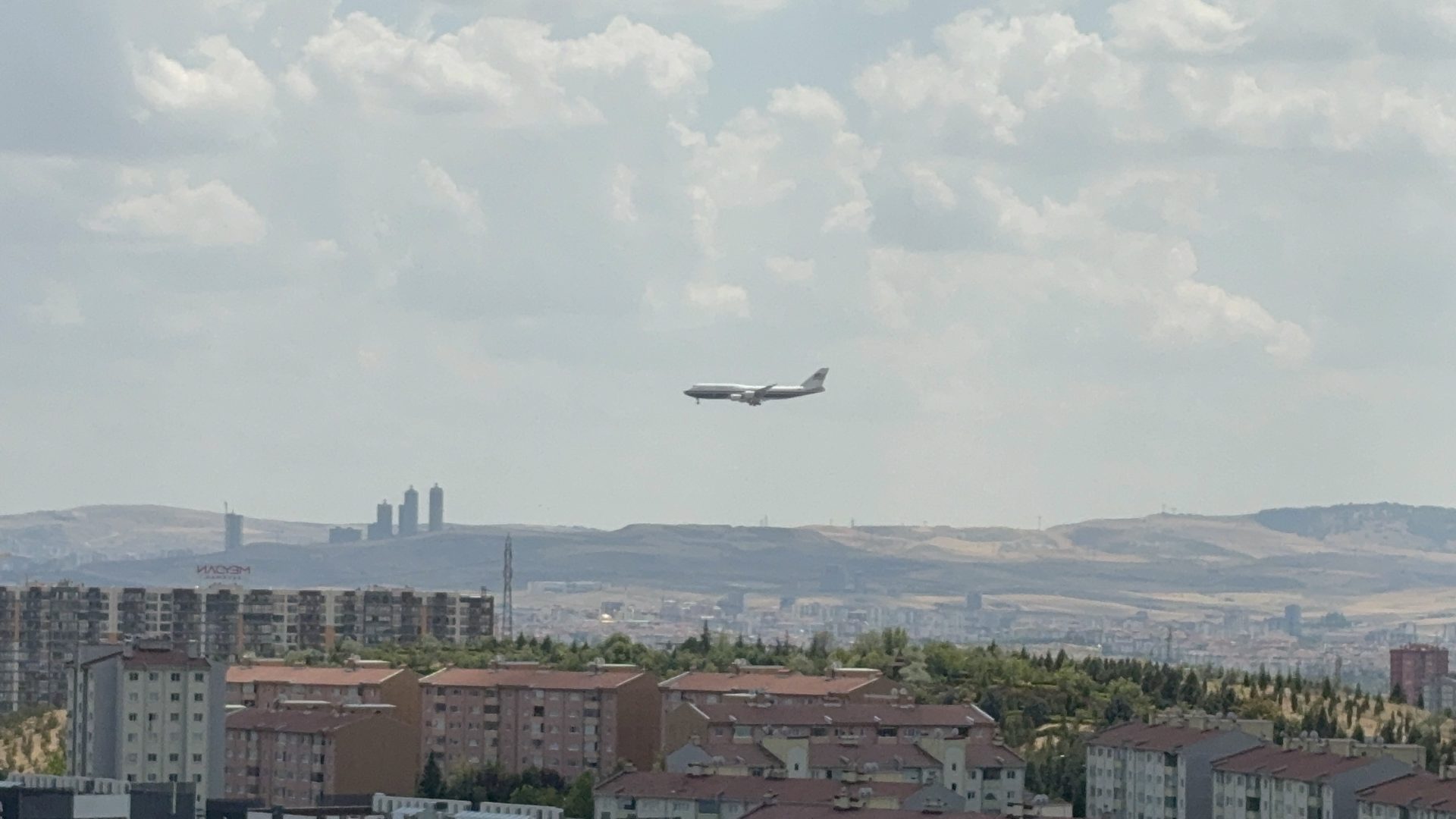
On a file, Trump indicated a willingness to advance in exchange for clearer burden‑sharing commitments. Türkiye’s position was fraught with contradiction. Its geographical assets remain indispensable for the alliance, yet domestic crackdowns on dissent ahead of the summit drew sharp criticism from human rights organizations and complicated the unity narrative. This tension between strategic utility and democratic norms continues to shape NATO’s relationship with Ankara.
Readiness, Cyber, and Resilience
Beyond spending, the agenda emphasized cyber defenses, military readiness, and new multinational initiatives such as a defense, security, and resilience bank backed by several allies. These efforts aim to bridge the gap between planning and sustained operations, ensuring that logistics, fuel infrastructure, and digital resilience can support prolonged, multi‑theater engagements. NATO’s agenda focuses on resilience, learning the lessons from recent wars that disrupt the supply chain and attacks on systems that are similar to traditional military attacks. Hence, NATO is strengthening its security and defenses, providing long-term resilience to challenges.
Trump’s Objectives: Leverage, Optics, and Realignment
Enforcing the 5% Commitment
Trump’s main objective is to convince NATO allies to increase their defense spending to 5% of GDP, describing it as a fair way of burden sharing, and it would protect both NATO and U.S. interests. This Ankara summit becomes an opportunity for the Trump administration, reflecting that applying pressure to European nations could increase defense budgets and provide more opportunities for the U.S. defense industry. From the surface, this summit gained support, but underlying dissatisfaction arose from several European countries that see it as coercive rather than collaborative.
Shifting Responsibility: “NATO 3.0”
NATO 3.0, the recent summit vision that has been promoted by the administration, under which European nations are expected to take their own defense responsibility. This allows the U.S. to shift its focus to other strategic challenges. Moreover, Trump praised countries that have increased spending on military budgets. On the other side, there are warnings to face trade and military consequences for those who contribute less. This policy change has major consequences on global security. The strong European military strength can provide deterrence against Russia, but in the context of the U.S., European nations could also develop independent policy in terms of major security issues.
Leveraging Regional Crises
By tying alliance cohesion to support for U.S. actions on Iran and pressing allies on defense spending as a condition of goodwill, Trump tested whether NATO would align politically with Washington’s mid-summit escalation. The aim was to ensure European capitals back U.S. moves in real time or face public criticism and potential penalties. This particle approach has produced immediate results; however, in the long run, it could harm the trust among allies. European leaders are trying to protect NATO from changing U.S. internal policies; at the same time, they continue to rely on America’s military support.
Bilateral Gains and High‑Profile Moves
On the sidelines, Trump signaled willingness to lift sanctions on Türkiye and consider restoring F‑35 access, while also reviving the Greenland demand to underscore Arctic priorities. These high-profile moves serve dual purposes: extracting concessions on defense trade and spending and crafting a narrative of success that validates Trump’s pressure tactics. The Greenland demand, in particular, illustrates Trump’s willingness to use provocative rhetoric to signal priorities and extract concessions. While unlikely to yield immediate results, such moves keep pressure on allies and maintain Trump’s reputation as a dealmaker.
Bottom Line: Deliverables and Unresolved Questions
The summit’s agenda is clear: industrial deterrence plus predictable Ukraine aid, framed within a broader push for higher defense investment and readiness. Trump’s aim is equally clear: lock in higher European spending, accelerate burden‑shifting, and claim a political win that validates his pressure tactics.
What remains unresolved is the long‑term predictability of U.S. engagement. Even as European spending climbs toward the 5% benchmark, the absence of a firm commitment to schedule next year’s summit underscores anxieties about American strategic continuity. In that sense, Ankara delivered hard military‑industrial momentum while exposing political fault lines—especially around U.S. predictability and Türkiye’s domestic trajectory.
The emergence of “NATO 3.0” reflects a fundamental rebalancing of transatlantic security. Europe is assuming greater responsibility for its own defense, while the U.S. focuses on gaining influence and shaping public perception. Whether this new balance can maintain unity in the face of future challenges remains the defining question of the post‑Ankara period.
If you want to submit your articles and/or research papers, please visit the Submissions page.
To stay updated with the latest jobs, CSS news, internships, scholarships, and current affairs articles, join our Community Forum!
The views and opinions expressed in this article/paper are the author’s own and do not necessarily reflect the editorial position of Paradigm Shift.

Mahnoor Gujjar is a student of English literature and linguistics at the National University of Modern Languages (NUML), Hyderabad Campus.