Lithuania’s Nuclear Turn
On July 2, 2026, the lawmakers of Lithuania agreed to strip Article 137 out of its constitution, the clause that banned nuclear weapons and foreign military bases from Lithuanian soil. Before Lithuania, Finland had already decided to lift its own legal restrictions on nuclear weapons. Two frontline NATO states, with borders close to Russia, decided to strengthen their borders themselves.
Their decision reveals that NATO members no longer fully trust the system that was built to protect them. For more than seven decades, NATO’s real power was the promise that no member would have to face a threat alone. That promise depended on trust that Washington would always look up to its allies before any military invasion and trust that the burden of defense would be shared properly. In 2026, all these expectations were shattered at once.
The US-Iran war was the turning point. When the key NATO allies, including Germany, France, Italy, and the UK, said that there was no consultation by the US before the attacks and refused to help with the reopening of the Strait of Hormuz. President Trump called allied leaders cowards publicly and warned that Washington would “never forget” how they behaved.
NATO lacked a proper mechanism to manage this and resolved the disagreement. Lithuania’s and Finland’s decisions to allow nuclear weapons and foreign military bases on their soil were not conventional adjustments. It was the direct aftershock of this rift among the allies. States have admitted that collective deterrence alone is not enough, and they have to be self-sufficient for their own defense and national interests. In short, NATO lacked certainty in its decisions for the mutual benefits of members.
From Collective Security to Strategic Autonomy
A similar kind of response is shown by Germany from a different angle. In May 2026, the Pentagon suddenly cancelled the planned US missile deployment to Germany. Chancellor Friedrich Merz did not wait for Washington to overlook its decision and, at the recent Ankara summit in July, announced its own deal to buy American Tomahawk cruise missiles and Typhon launchers. Germany is building an independent long-range strike force owned by Germans, funded by Germans and most significantly operated by the Germans because America can no longer be relied on during wartime to show up.
Poland is doing something parallel. Along with the United Kingdom and France, Warszawa has opened discussions on a European nuclear-sharing arrangement outside NATO’s official structure. None of this is happening through NATO’s collective machinery. It is happening in bilateral discussions and in national parliaments, because states no longer believe in the alliance’s shared institutions to consult them when it is required.
The Rise of Bilateral Defense Pacts
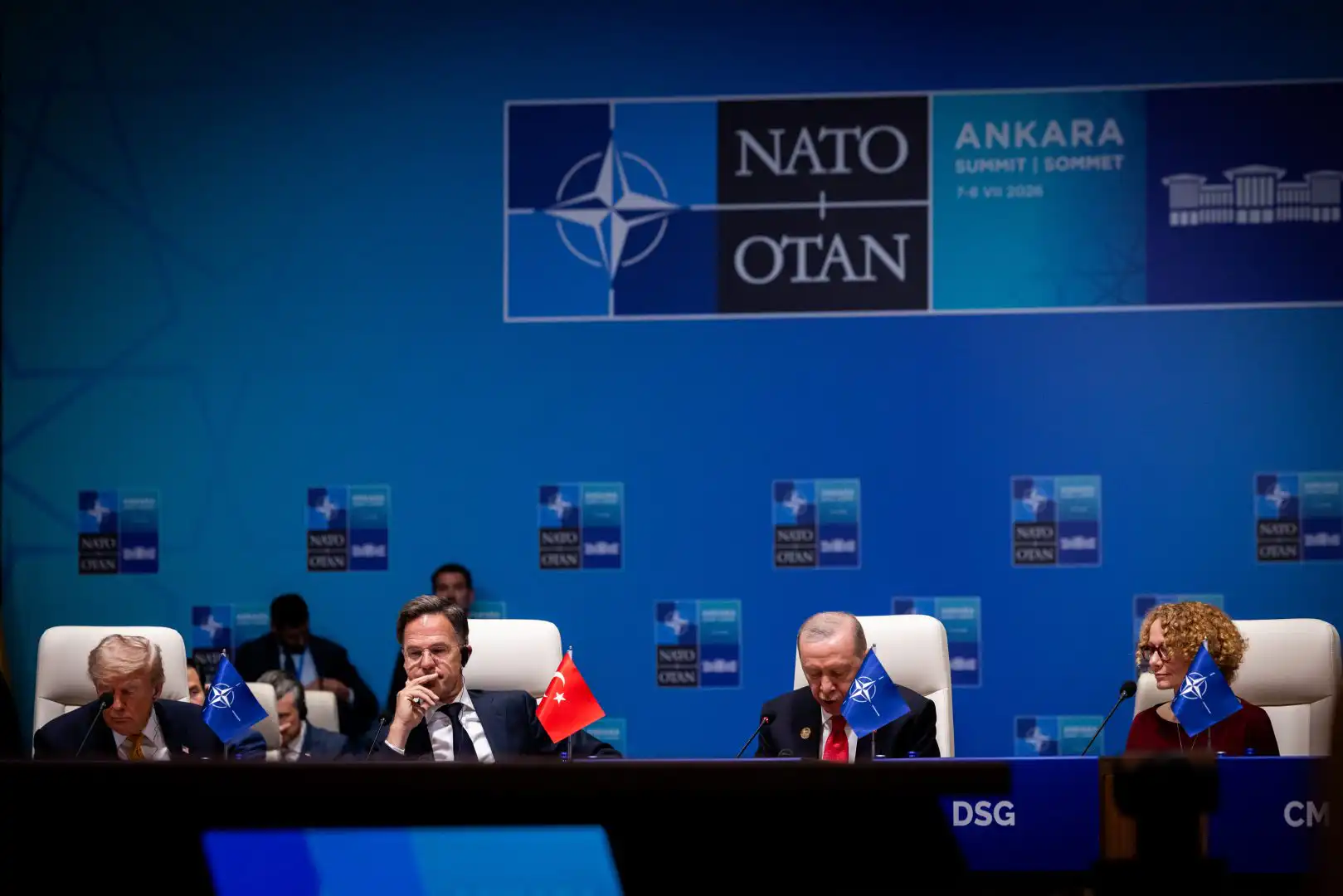
This is the real backdoor story of traditional photographs from the July 2026 Ankara summit. NATO’s twelve-member Deep Precision Strike Pact and its $50 billion budget, signed by these twelve countries acting together, ignoring the alliance framework, are not unity. It is kind of quietly replacing the existing and already established working system. When members build their own nuclear weapons, their own missile stockpiles, and their own bilateral deals instead of working for collective reforms and betterment of NATO. As a result, the alliance cohesion is getting weaker and losing the trust of its member states as well.
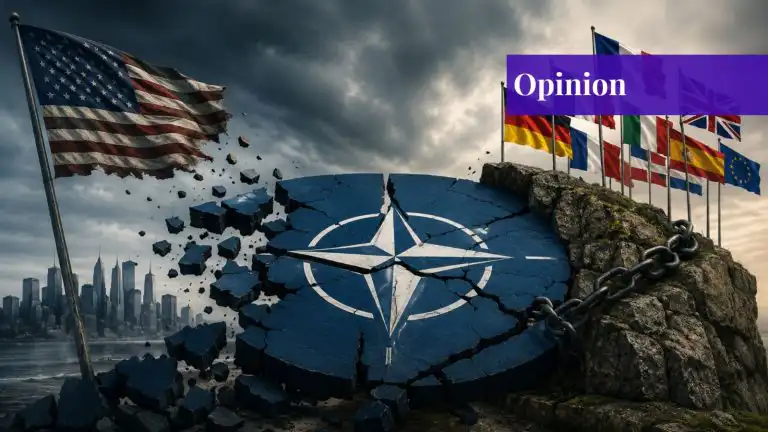
NATO is not finished yet; the main purpose of collective protection and mutual coordination is being renegotiated by bilateral agreements without any official platform. Lithuania and Finland did not leave the alliance by changing their laws; they just assumed that NATO’s promise of everyone’s security was not enough on its own. This is a more dangerous kind of crisis than an official summit because it is not revealed in a single meeting. It shows up years later, when allies understand that they have built their own defenses instead of a shared one to protect their borders.
If NATO wants to overcome these growing concerns, it needs more summits like this and a real and practical diplomatic rule that binds all the members to consult with each other before any major military operation. If Washington had consulted with European states before attacking Iran, the circumstances might be different. Lithuania’s constitutional amendment was not a betrayal of NATO. It was a message NATO should be listening to very carefully.
If you want to submit your articles and/or research papers, please visit the Submissions page.
To stay updated with the latest jobs, CSS news, internships, scholarships, and current affairs articles, join our Community Forum!
The views and opinions expressed in this article/paper are the author’s own and do not necessarily reflect the editorial position of Paradigm Shift.

Khansa Waris is associated with the Center for Counter Terrorism and Violent Extremism, Institute of Regional Studies, Islamabad. She is a scholar of international relations from Government College University, Lahore.