The Bystander Effect
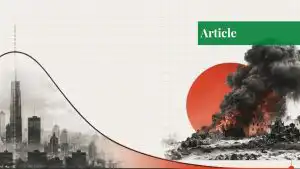
In the neighbourhood of Queens, New York, 28-year-old Kitty Genovese was raped and stabbed to death outside her apartment on March 13, 1964. The New York Times reported that 37 people either witnessed her murder or heard her cries of distress, but not one called the police. Kitty’s case became a much-cited example of what was termed the “bystander effect.”
Even though it was later found that the claim of 37 witnesses was an exaggeration on the part of the news outlet, the bystander effect became the center of research in psychology, which ultimately concluded that humans had a capacity for inaction when placed in groups. There is a general diffusion of responsibility in a group.
Individuals were more likely to call out for help or help someone in distress when alone. It was noted that when these individuals were organized in groups, they were less likely to offer help. This diffusion of responsibility, compounded by an increased desensitization, is the very crisis that our nation faces today. A majority shrugs off their moral and social obligations onto others or has become indifferent to tragedies.
Shrugging Responsibilities and Shifting Focus
Recently, a family of 13 drowned in the Swat River. They waited for hours to be rescued, but the general indifference of those in power and the incompetence of the system pulled them under the water. As they drowned, politicians prepared for press conferences to absolve themselves of blame and point fingers at rivals. The news mourned the loss of life, and social media raged at the injustice of it all. Edits were made, social commentary was done, but soon the trend changed.
We flinched at the tragedy and lamented for a few seconds in silence before we too moved on to the noise. This isn’t the first tragedy this country has faced, nor will it be the last, but there is a persisting commonality in the public response. People rage at those responsible online; they run hashtags and share posts on their stories, but soon the chronically short attention span of the nation shifts and moves on to the next tragedy or comedy. Have we collectively as a nation become desensitized to such tragedies, or are we simply playing out the role of a bystander?
Silent Compliance
I say we, as a nation, have become bystanders to our demise. We watch the fabric of our society fraying, but we stand by and wait for another to grip the threads and weave them back together. If we won’t come out in protest, someone else will. If we don’t shoulder the burden of holding politicians responsible, someone else will.
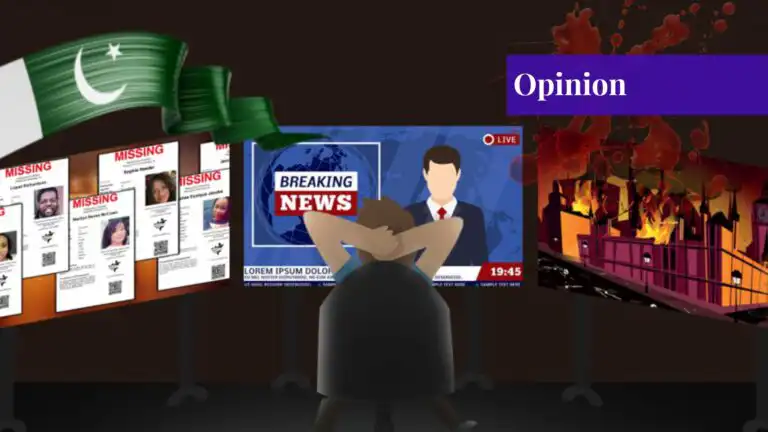
Our silence is our compliance with the raging injustice that plagues our country. Compounding this is the growing desensitization. Social media serves as a great tool for highlighting issues that otherwise wouldn’t gain much traction with traditional media; however, it also augments the growing desensitization.
We scroll through tragedies on repeat. We watch decapitated, burned bodies of Palestinians. We witness young women of this country being murdered in their homes and families being crushed under vehicles. We like, share, and comment, and the issue gets raised by traditional media, politicians talk about it, cases are filed, and then everyone loses interest. Nobody cares to follow the trail, especially when most cases reach an out-of-court settlement. The dust settles, and we move on to the next reel.
Recently, a video of a woman being dragged by a man was posted. It was alleged that the woman was being kidnapped. Most people questioned why the men were busier recording the incident than helping the women. It is because we have limited our responsibility to witnessing injustice, recording it, and making sure it reaches the masses, but not actively trying to resolve the issue.
We as a nation now collectively live in the virtual reality of social media. We wait for our algorithms to provide us with details of the tragedy, who to hold responsible, and who to feel sorry for. Sana Yosuf wasn’t the first woman in this country to get murdered, and unfortunately, she will not be the last. Countless women are murdered in the name of honor but their names never even reach our mobile screens.
While we post online for the safety of women, do we call out these harassments in the streets, workplaces, and universities? Do we actively help such women when they call out those responsible, or do we remain bystanders to their suffering? Do we wait for someone else to take the first step?
Making a Difference
We have forgotten that change requires footsteps on the ground. For things to change permanently, those in power need to be brought to the realization that we are capable enough to protest. We need to protest not just on social platforms but on the streets, attend trials, and follow through with these cases until those responsible are punished. We need to call out these injustices as they happen.
When a young boy was slapped by a much more affluent man for an accident, his sister pleaded while the men surrounding them looked on. Instead of taking out our cell phones to record, we need to take them out to call for help and step forth to lend a helping hand. While we run at the risk of collective desensitization, we must remain connected to our emotions while keeping ourselves updated.
We must push through the crowd to help those in need instead of shrugging responsibility onto others. We need to protest injustices done far beyond our cities, districts, or provinces. We must protest for a better Pakistan. While social media remains our generation’s biggest source of news, it is also erratic, as algorithms decide what the point of discussion remains and what tragedy gets buried under the roar of upcoming trends. We must not limit our activism to social media posts but rather move out of the solace of our homes into the scorching heat for a better future.
If you want to submit your articles and/or research papers, please visit the Submissions page.
To stay updated with the latest jobs, CSS news, internships, scholarships, and current affairs articles, join our Community Forum!
The views and opinions expressed in this article/paper are the author’s own and do not necessarily reflect the editorial position of Paradigm Shift.