

Introduction
India and Pakistan came into being after more than 8 decades of British colonial rule. Even after years and decades of Pakistan’s inception, the colonial mindset still continues to affect the social, political, and economic landscapes of the country. The tilt towards the English language and Western attire, dependence on foreign aid on stringent conditions, prevalence of VIP culture and elitist power setups, and prioritization of the Western interest in foreign policy exhibit how the persisting colonial mindset is hindering the way of Pakistan’s success. This article explores in detail the arguments illustrating how the colonial mindset serves as a significant barrier to the country’s growth.
Understanding a Colonial Mindset
Before delving deeper into the underlying reasons for Pakistan’s hindered growth, rooted in the colonial mindset, let us first understand what a colonial mindset actually refers to. Colonialism refers to a phenomenon wherein a powerful country maintains its control over a weaker territory.
The colonizing power dominates the social, political, and economic spheres of the state and imposes its culture, values, and governance structures on the weaker state. A colonial mindset refers to an internalized belief system shaped by colonial rule where the colonized people view their own culture, identity, and capabilities as inferior to those of the colonizers. Even after gaining independence, a colonial mindset can persist, influencing social, cultural, political, and economic decisions, and often hindering a nation’s self-reliance, growth, and development.
How is the Colonial Mindset Hindering Pakistan’s Success?
Tilt Towards the English Language
The subcontinent was a colony of the British from 1858–1947. Even after decades of independence, one of the official languages of Pakistan continues to be English. Rooting from the colonial mindset, English is much more than just a language for Pakistani society. It is a symbol of superiority for the masses, with people prioritizing English-medium schools over Urdu-medium ones.
The elite class of society continues to train their children to speak English rather than the national language. Only 9% of Pakistanis speak Urdu as their first language, whereas Pakistan is surprisingly one of the largest English-speaking populations in the world (58% of people in Pakistan can speak English as a second language).
This mentality in Pakistan originates from British colonial rule, during which English was designated as the language of administration, education, and social advancement. English was perceived as a symbol of privilege and authority, exacerbating class disparities and elevating Western ideals above indigenous languages. This colonial mindset undermines the country’s national language, usually a symbol of pride for the nation. This becomes a barrier for those not proficient in English, creating a chasm and consequently hindering equal opportunities in education and career.
Dependence on Economic Aid
The reliance on economic assistance under strict conditions in Pakistan originates from the colonial mentality established during British rule, wherein local resources and economies were exploited for the benefit of the colonizers, thereby fostering a legacy of dependency. The British structured the economy to serve their interests, imposing taxes and trade policies that prioritized British goods while stifling local industries. This has continued, as Pakistan has often relied on foreign aid which is given on condition that benefits the donor more than Pakistan’s development.
Today, similar conditions are evident when Pakistan accepts loans from international institutions like the IMF, which often dictate austerity measures and economic reforms that can stifle local growth and social welfare. The recent $7bn bailout package is just another instance. This cycle of dependency reduces the capacity to come up with independent economic policies, thus negatively prolonging sustainable development.
Sustenance of VIP Culture and Elitist Power Setups
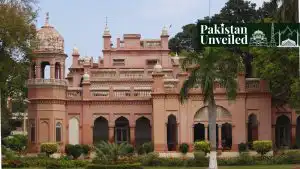
The British colonizers constructed grand estates, such as the famous Lawrence Garden in Lahore for themselves and lived lavish lives to dominate the local population. This still influences Pakistani society in the form of VIP culture and the maintenance of elitist power setups. One of the finest examples of colonial architecture is Lahore Gym Khana Club, which gives a glimpse of the royal lifestyle.
This colonial disposition perpetuates a culture of the underprivileged, substandard lifestyle of the majority while an unfair share of the facilities is accorded to the privileged, affluent few. It creates deep social divides, fosters corruption, and undermines meritocracy, preventing equitable development and progress, as resources are concentrated among the powerful few instead of being directed toward national growth and public welfare.
Inclination Towards Western Dress
There is a stark contrast between the attire of the people and the national dress, especially in urban centers, where both males and females are often seen wearing Western apparel. Suits, which are a crucial part of formal dressing in Pakistan today, originated in the 17th century in Europe, specifically in London. The preference for Western attire over local and national attire reflects the deep-rooted colonial mindset in the masses.
Such cultural disconnection can weaken national identity and self-reliance, making the country more reliant on foreign norms and ideas, which may hinder authentic and inclusive growth. By equating success with Western styles, innovation and pride in local traditions are often overlooked, limiting diverse development opportunities.
Prioritizing Western Interests in the Foreign Policy
Every state designs its foreign policy based on national interests, whereas Pakistan’s foreign policy prioritizes emotions and Western interests over national ones. From joining the Western bloc in the Cold War to fighting the Soviet war in Afghanistan, Pakistan faced serious repercussions in the form of extremism, financial dependence, the rise of terrorism, and loss of regional trust.
The colonial mentality results in a foreign policy that pursues the endorsement of Western powers and is primarily structured around their interests. Post 9/11 alliance with America and the war on terror, which cost Pakistan almost $126.79 billion This mindset limits Pakistan’s ability to chart an independent path, leading to reliance on foreign powers, which undermines self-reliance, stifles innovation, and perpetuates economic and political instability.
Impact of the Colonial Mindset on Society
The colonial mindset instills a sense of inferiority complex among the masses, owing to the perceived Western supremacy whether it be language, education, or culture. This mindset not only perpetuates social disparity, creating a widening gap between the elite and the rest of society, but it also further alienates marginalized communities, pushing them into deeper neglect.
As this sense of inferiority prevails, it leads to cultural erosion, where the rich traditions, languages, and heritage of the nation slowly disappear, overshadowed by the glorification of foreign values. A foreign policy shaped by this colonial mindset often prioritizes the interests of Western powers over national concerns, leading to decisions that undermine the country’s own strategic objectives.
This compromises national sovereignty, reducing the country’s ability to make independent choices on the global stage. The result is a state of internal chaos, international embarrassment, and weakened global standing, where the lack of autonomy further erodes confidence in the nation’s future direction. Reclaiming sovereignty and pride in national identity is crucial to breaking free from this colonial legacy.
Can This Mindset Be Reversed?
Although this mindset has been deeply entrenched in the masses, there are several ways to minimize its impacts on the country’s overall growth. Fostering nationalism and patriotism and raising awareness about the significance of cultural symbols are essential for national integrity and the eradication of the colonial mindset. An ethnocentric approach, where people prioritize their culture over other cultures, can prove useful in this scenario.
Moreover, revamping the curriculum to include more focus on local history, cultural heritage, and the contributions of indigenous leaders, can be helpful in eradicating the colonial mindset. This may help to neutralize the fantasizing of colonial powers and to present quite a more or less realistic view of history. Fostering self-reliance by supporting local industries and reducing dependency on foreign aid or policies tied to Western interests will also be useful.
Combating elitism and VIP culture by implementing transparent, merit-based systems in government, education, and employment will ensure that opportunities are accessible to all, not just the privileged few. Participation in public discourse with regard to the residual colonial impact through media, arts, and civil society organizations would help create more awareness and therefore select for decolonization of thinking.
Conclusion
Although the colonized mindsets are depicted in all the social, political, and economic aspects of the country, and have been hindering the country’s growth for several decades now, there still is room for change. The colonial mindset has to be hit where it hurts, challenging the systems of elitism, cultural inferiority, and dependency that sustain it, and fostering a renewed sense of pride in national identity, self-reliance, and meritocracy.
If you want to submit your articles and/or research papers, please check the Submissions page.
The views and opinions expressed in this article/paper are the author’s own and do not necessarily reflect the editorial position of Paradigm Shift.
She has a bachelors in electrical engineering from GCU, Lahore. She is currently pursuing her MSc in Artificial Intelligence from UET Lahore.