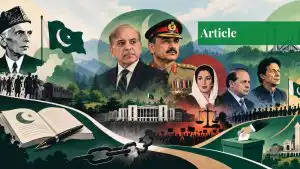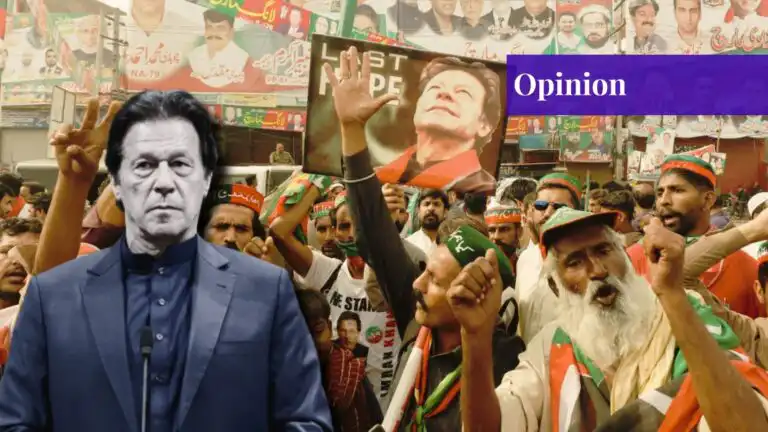
The story of the founder of PTI is one that almost every person in Pakistan knows. He was once a cricket legend who lifted the nation’s spirit and later stepped into politics with a promise to change everything. When he came into power in 2018, people felt hopeful. He spoke about justice, fairness, and building a country where the powerful couldn’t walk over the weak. For many, he was a breath of fresh air in a system that had been stuck for decades.
But politics is never easy. Soon after taking office, the founder of PTI found himself surrounded by challenges. The same forces that had shaped Pakistan’s politics for years were still strong. The behind-the-scenes power players didn’t always see eye to eye with him. And when he lost office in 2022, things took a sharp turn.
Since then, the founder of PTI has taken a bold stand. He refuses to make deals that only serve his own interests. He says if there are going to be talks with the establishment, they should be about the country, not about saving his own skin. This has made him a symbol of resistance. Even while facing jail threats and pressure from all sides, many people still believe in him. They see him as someone who won’t bend, who won’t play the usual political games. But now the big question is whether this approach is helping or hurting his cause.
There are reasons why talking to the establishment might be a smart move. In Pakistan, the establishment has always been involved in the governance of the country, and all political leaders have had to reach some level of cooperation with it to ensure a positive way forward. Right now, the founder of PTI and his party are being pushed to the edge. Many of his close allies have either left or gone silent. The party is struggling to stay active and relevant. If he opens the door to talks, it could help PTI stay alive and prepare for future elections.
It could also protect the younger members of the party who are facing legal trouble. These are the people who carry the message forward. If the founder of PTI wants the party to last beyond his own leadership, he might need to make some tough choices. Talking doesn’t mean giving up. It could be a way to push for fair elections, better laws, and a more balanced system. It could be a chance to fix things from the inside.
But there’s a risk. The founder of PTI built his image on standing up to power. If he starts making deals, people might feel disappointed. They might think he’s just like the others. That could damage his support. Pakistan’s history is full of broken promises and deals that went nowhere. He could end up losing more than he gains.
There’s also the danger of dividing PTI even more. Some people in the party might support talks, while others might see it as a betrayal. Keeping the team united would be hard, especially if the founder of PTI isn’t free to lead directly. The party could fall apart and lose its voice.
So what should he do? Maybe the answer lies somewhere in the middle. The founder of PTI could agree to talk, but only with clear goals. He could focus on fixing the system, not saving himself. He could demand fairness, transparency, and real change. That way, he stays true to his values but also keeps a door open for progress. It would show that he’s still fighting for the people, not just for power.
This moment is bigger than one person. It’s about the future of Pakistan. The founder of PTI has a chance to shape that future. Whether he chooses to keep resisting or to start talking will decide what comes next. It’s a hard choice, but it could be the one that makes all the difference.
People are watching. Supporters are hoping. And the country is waiting. The path he chooses now will echo for years to come.
If you want to submit your articles and/or research papers, please visit the Submissions page.
To stay updated with the latest jobs, CSS news, internships, scholarships, and current affairs articles, join our Community Forum!
The views and opinions expressed in this article/paper are the author’s own and do not necessarily reflect the editorial position of Paradigm Shift.

Muhammad Bilal Khan is a journalist specializing in non-traditional security (NTS) threats. He is currently affiliated with the Institute of Strategic Studies Islamabad. He can be reached at mbkh0107@gmail.com.