Every era has had its own definition of power. For centuries, it was land, then industrial capacity and oil, and more recently, data and digital infrastructure. Today, artificial intelligence is emerging as another foundation of power. The front-runners in this domain will shape the future, while those who rely on foreign systems will risk long-term dependency on external powers.
For Pakistan, artificial intelligence is a fundamental necessity rather than a superficial trend or an easy route to modernisation. Relying on foreign AI tech is a trap. Eventually, it hands outsiders control over defence, economy, and governance. Pakistan is now working on its own cloud systems, local data centres, and AI technology. However, the construction of physical infrastructure is a necessary prerequisite, but it is by no means sufficient in itself. True digital independence will depend on whether Pakistan can develop the human capital, energy capacity, cybersecurity, technological resilience, and institutional capabilities needed to maintain it.
Data centres can be constructed, and computing power can be imported, but expertise is not a commodity that can be imported along with servers and processors. It requires sustained investment in human capital over time. Pakistan, therefore, needs to invest not only in AI education but also in specialised fields such as machine learning, semiconductor engineering, cloud architecture, cybersecurity, and data science.
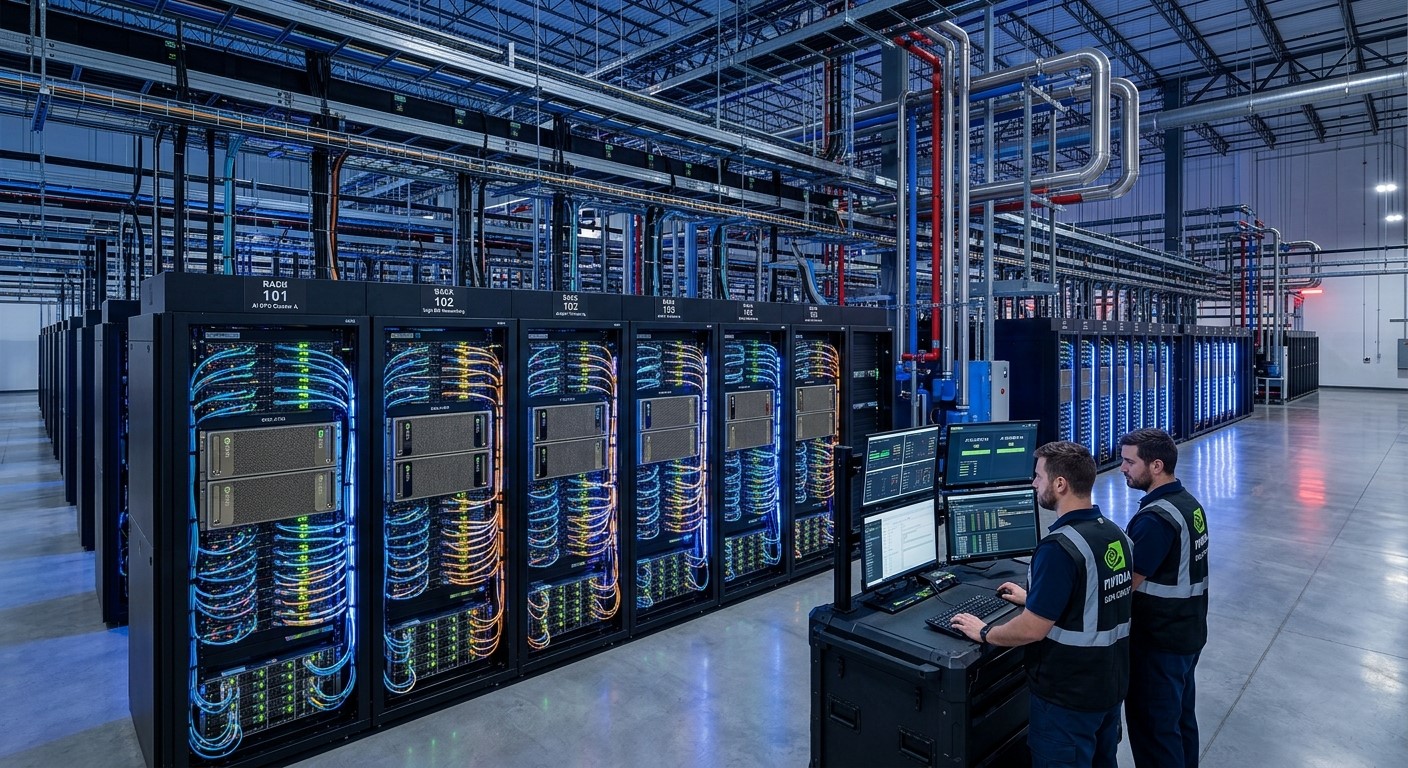
This requires strengthening universities, research institutions, and industry linkages to bridge the gap between academic research and practical technological capabilities. Furthermore, Pakistan should create incentives for skilled professionals to remain in the country. The persistent migration of highly skilled engineers and researchers leaves Pakistan dependent on the very expertise it is seeking to develop domestically.
Otherwise, Pakistan risks creating a paradox, and it may achieve physical control over its digital infrastructure while remaining dependent on foreign expertise to make that infrastructure functional and secure. In that sense, true sovereignty will depend not on where the servers are located, but on whether Pakistan has the people capable of controlling what those servers do.
Additionally, tech infrastructure demands immense electricity and water for digital systems. Water, therefore, becomes an important, but often overlooked, part of the AI infrastructure. This concern is especially critical for Pakistan, where annual per capita water availability has fallen from over 5,000 cubic metres in 1951 to an estimated 899 cubic metres in 2025, a figure that places the nation well beneath the global benchmark for water scarcity.
At the same time, Pakistan’s reservoirs store only about 30 days of water, creating zero buffer for climate shocks or extra demand. Furthermore, according to a 2025 report by the Islamabad Policy Research Institute, intensive AI usage will heavily strain Pakistan’s water supply due to data centre cooling needs. By 2030, this cooling infrastructure could drain an extra 6.3 million cubic metres of water every year.
Data centres need power all the time. They need it to be reliable. Also, when we use intelligence for complicated computing, it generates a lot of heat. We need to use cooling systems to get rid of this heat. So, water is an important part of the artificial intelligence infrastructure. Hence, digital sovereignty should not be pursued in isolation from resource security. To ensure long-term viability, Pakistan must be underpinned by strategic investment in renewable energy, energy-optimised computing, low-water-cooling innovations and site selection processes informed by environmental sustainability criteria.
As artificial intelligence is rapidly becoming the defining technology of the twenty-first century, digital sovereignty is emerging as a new measure of national power. Pakistan’s ongoing deployments of localised data centres indicate a clear recognition of this geopolitical reality, but infrastructure alone cannot deliver technological sovereignty. Without skilled human capital, Pakistan could remain dependent on foreign expertise, while without reliable and sustainable energy and water systems, its digital ambitions could become another source of economic and environmental vulnerability.
Digital independence, therefore, should not be understood as technological isolation or the unrealistic goal of producing everything domestically. It should mean possessing sufficient domestic capacity to control critical data, understand and audit the technologies being used, secure essential systems, and sustain them without being excessively vulnerable to external pressure. Pakistan has begun building the foundations of this autonomy. The challenge now is to ensure that these foundations are supported by people, resources, and institutions capable of sustaining them. Otherwise, Pakistan may succeed in bringing the servers home without truly bringing digital power home.
If you want to submit your articles and/or research papers, please visit the Submissions page.
To stay updated with the latest jobs, CSS news, internships, scholarships, and current affairs articles, join our Community Forum!
The views and opinions expressed in this article/paper are the author’s own and do not necessarily reflect the editorial position of Paradigm Shift.

Masood Ahsan is an MPhil scholar of international relations at the National Defence University and a research and analysis intern at the Islamabad Policy Research Institute (IPRI). His research interests include artificial intelligence, emerging technologies, and the changing nature of international security, with a particular focus on the intersection of technology, geopolitics, and strategic autonomy.