Introduction
“A drone is a weapon. When it works badly, it is terrible and counterproductive.”
Bernie Sanders
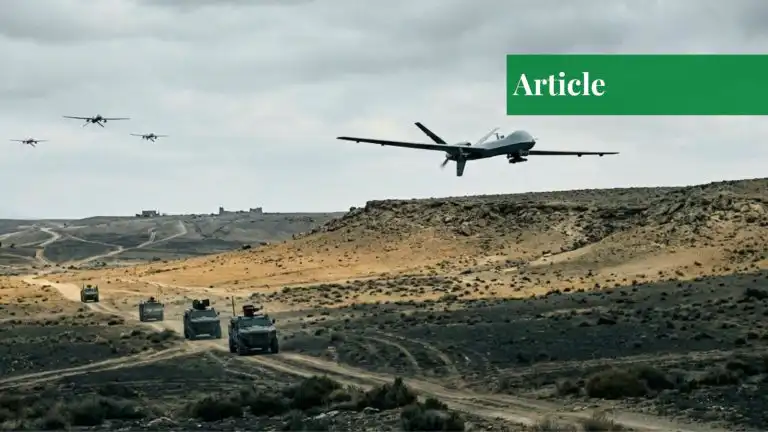
Unmanned Aerial Vehicles (UAVs) emerged in the 21st century as the most modern warfare technology. They are also known as drones. These drones are operated remotely and can remain in the air for longer periods. Manned aircraft systems were designed for observation, but these unmanned drones can conduct combat operations. They can observe, set the target, and then strike. In short, these drones can effectively serve as technological scouts, which provide foreknowledge to commanders so that they can make tactical decisions. The MQ-9 Reaper and the RQ-4 Global Hawk are the best examples of how these drones can conduct strikes in combat. Today, many countries, including the United States, China, Russia, and Turkey, rely on UAVs.
A basic structure of a UAV consists of an airframe, propulsion, flight control, payload, communication, and ground control station. The body of the drone is made of an airframe; the UAV is powered by a propulsion system, the flight control system enables the UAV to maneuver accurately, and the payloads relay information to the communication system. Frequency is used in communication systems to transmit data to the Ground Control Station (GCS). GCS enables a human operator to observe the flight of the drone and provide instructions when needed.
Through this system, one can gain foreknowledge of the enemy, which can provide victory. As Chanakya, in his book Arthashastra, writes, “foreknowledge cannot be elicited from spirits, nor from gods, nor by analogy with past events, nor from calculations. It must be obtained from men who know the enemy situation.” In modern warfare, UAVs can capture real-time data from the enemy’s battleground, which is a key strategy to be victorious.
Evolution of Drone Technology
Traditionally, UAVs provided Intelligence, Surveillance, and Reconnaissance (ISR) capabilities. RQ-4 Global Hawk is one of the best examples of high-altitude surveillance drones. It can fly above 60,000 feet and remain airborne for more than 30 hours while collecting information.
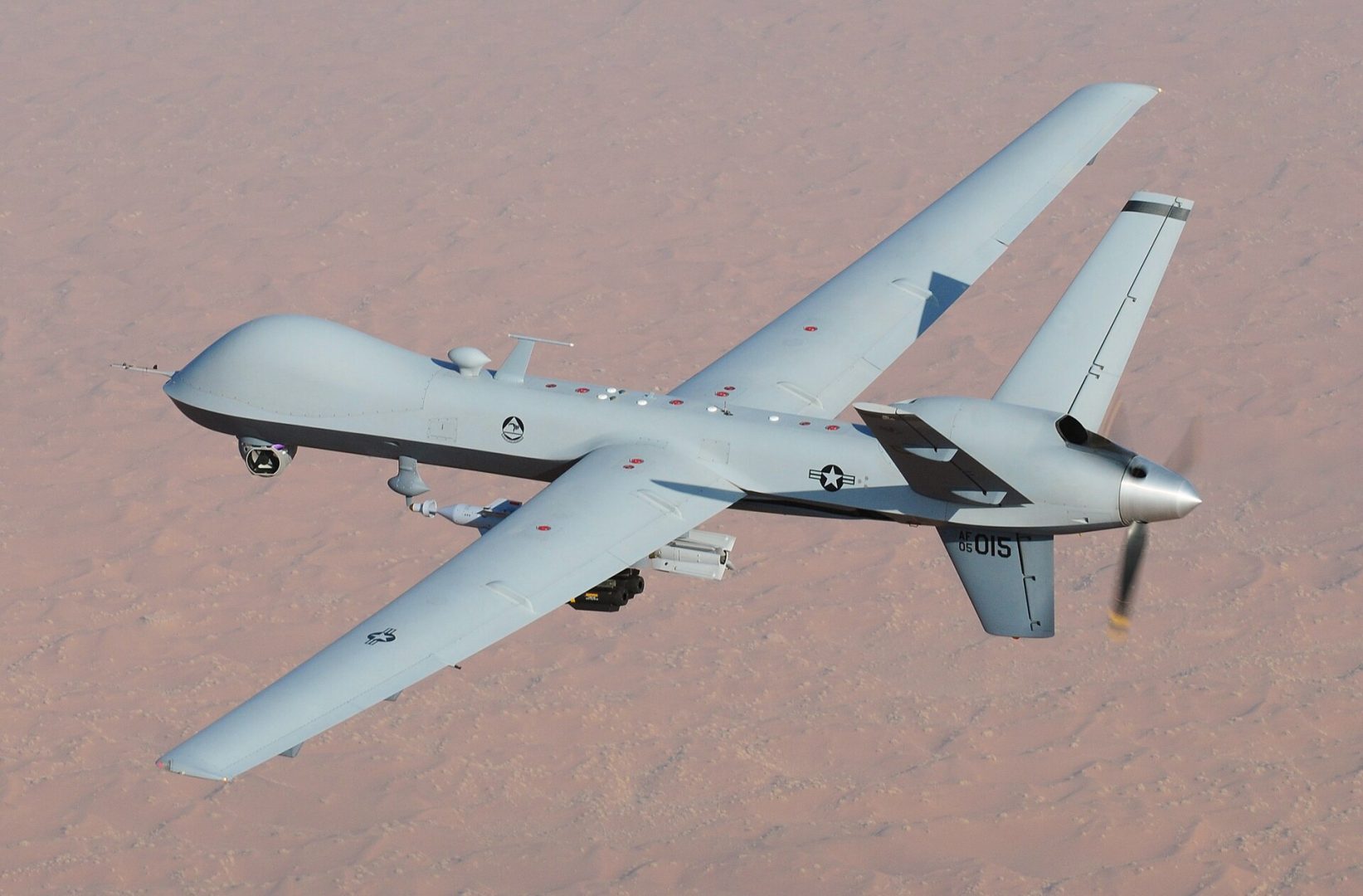
The next phase in UAV evolution saw the transition from reconnaissance drones to armed unmanned combat aerial vehicles (UCAVs). They have missiles and bombs integrated with them. This transition occurred when militaries integrated precision-guided weapons with drones. It enabled them not only to observe and provide data but also to conduct airstrikes. MQ-9 Reaper is an example of a UCAV, which can carry precision weapons such as Hellfire missiles and guided bombs. These drones are widely used in counterterrorism operations and in modern conflicts.
Modern UAVs are equipped with technology that can allow them to transmit real-time data from thousands of kilometers away. Missiles attached to these drones can do more damage compared to traditional drones because these drones can capture intelligence from far away. It also reduces the risk of pilot injury or death.
Over the past few years, the use of these drones has increased. Countries like the US, China, Turkey, Iran, and Israel have designed and exported different UAVs. The Bayraktar TB2 has attracted the attention of the international community in terms of its ability to fight a war, especially in the war of Nagorno-Karabakh and the conflict between Russia and Ukraine. Using these UAVs, a soldier can learn a lot about the enemy state since they provide information to them and hit the target with unmatched precision.
“If you know the enemy and know yourself, you need not fear the result of a hundred battles.”
Sun Tzu
Types of Drones
Drones are categorized on the basis of endurance, payload capability, and altitude. The following are some of the types of drones and their specifications:
Surveillance and Reconnaissance Drones
They are designed for intelligence sharing, monitoring on the border, and long surveillance. They have cameras and sensors integrated with them. They can remain in the air for over 30 hours. RQ-4 Global Hawk is a surveillance drone mainly used by the United States.
Combat Drones
These drones are dual-capable. They can do surveillance and conduct precision attacks. They are equipped with guided missiles and bombs. They are mostly used in counterterror operations. The MQ-9 Reaper is an example of a combat drone. These drones are mostly used by the United States and allied forces.
Medium-Altitude Long Endurance (MALE) Drones
MALE drones operate at medium altitudes for a longer time. They are also used for surveillance and precision strikes. Also, they are cost-effective compared to combat aircraft. Bayraktar TB2 is a MALE drone mainly used by Turkey. Pakistan also has Bayraktar T2 drones.
Loitering Munitions
They combine features of MALE and surveillance drones. They loiter over a target area and then strike once a target is identified. They are often known as “Kamikaze drones.” The IAI Harop is a kamikaze drone used by Israel. These drones have more precise accuracy, and they have also reduced the strike time.
Other than these long-range and advanced drones, there are some tactical and commercial drones like the DJI Mavic. They have short-range surveillance. Mostly non-state actors use them, as they are available easily at a low price. Different types of drones have different specifications. As technology is advancing, these drones are also modernizing through the integration of new technologies. These unmanned drones provide benefits to a country, as the country can win the conflict without having its boots on the ground.
Ethical and Legal Debates
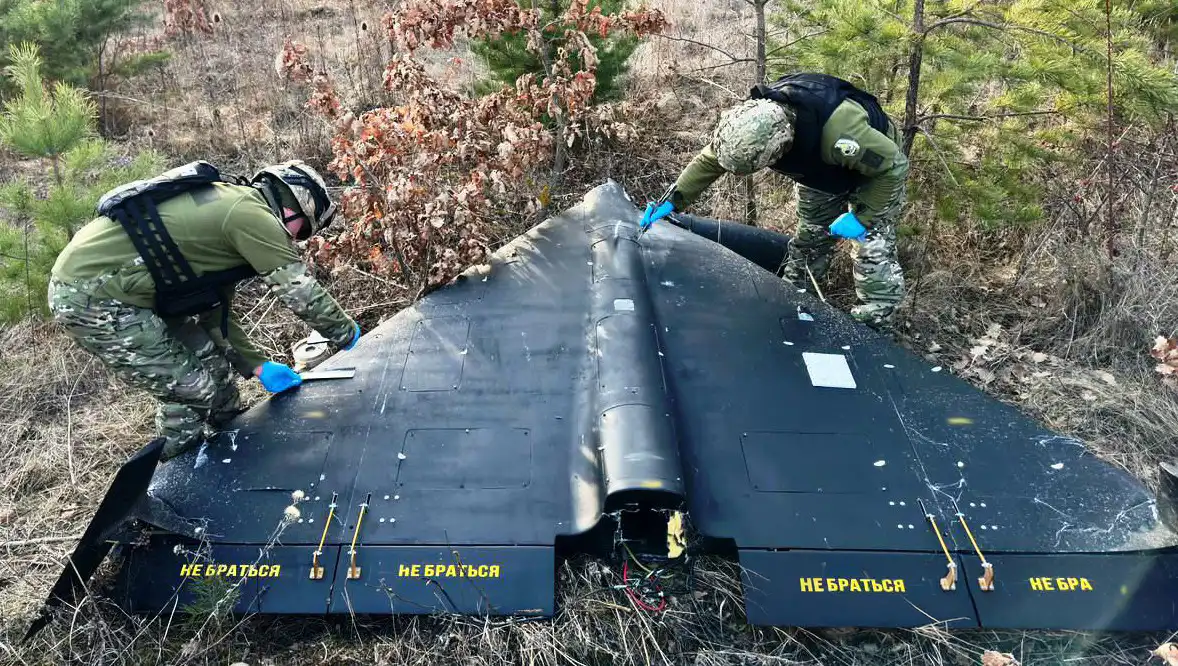
The Islamic State of Iraq and Syria (ISIS), Hezbollah, Hamas, and Houthis are non-state actors that have been engaged in long-range drone-based attacks. They mostly use Quadcopters produced by Da-Jiang Innovations (DJI) of China. The use of drones by these terrorist organisations poses a threat to counterterrorism operations and state security. They use drones in populated areas, which leads to the death of civilians. The other challenge is state sovereignty and transboundary strikes. The use of drones in military operations across the boundaries of nations without the direct agreement of the state involved in the target creates legal and diplomatic strains.
According to the rules of international law, force should not be used in the territory of another country except in self-defence actions or with the permission of the United Nations Security Council (UNSC). There are still debates about whether some of these drone attacks are acceptable under the UN Charter and customary international law. The United Nations has been keen to stress the need to follow international humanitarian law and human rights in the context of unmanned systems and targeted operations.
Future of Drone Warfare
The future of drone warfare is shaped by artificial intelligence (AI) and autonomous systems. Countries are trying to integrate AI into UAVs. AI-enabled drones can provide more accuracy in attacks and clearer images, and they can have more speed. But we should keep in mind what Elon Musk said about AI: “It is far more dangerous than nukes.” If, in any case, an AI system erupts, it can cause damage to the host state. Also, they can be hacked easily, and the enemy state can use them as a benefit against the host state.
Another major development is drone swarm technology. Multiple UAVs will operate and distribute their tasks across dozens of small drones. This system is beneficial, as the loss of one drone cannot disable the entire swarm system. The Defense Advanced Research Projects Agency (DARPA) has conducted experiments demonstrating drone swarm technology. Also, militaries are trying to design counter-drone defense systems to neutralize hostile drones. The Iron Dome is an example of a counter-drone defense system.
Conclusion
Drones have transformed modern warfare strategies. Traditionally, there were conventional frontline battles, but now it is the age of hybrid and asymmetric warfare. Drones have proven beneficial in making fast decisions because they provide real-time intelligence, which makes it easy for commanders to make decisions faster than before. They often have lower operational costs and also reduce risk to personnel as they are unmanned. Despite its advantages, it has some disadvantages, which include civilian harm, sovereignty violation, etc. Effective international regulation will be essential to ensure that drone technology strengthens the security of a state while maintaining legal standards.
“The supreme art of war is to subdue the enemy without fighting.”
Sun Tzu
If you want to submit your articles and/or research papers, please visit the Submissions page.
To stay updated with the latest jobs, CSS news, internships, scholarships, and current affairs articles, join our Community Forum!
The views and opinions expressed in this article/paper are the author’s own and do not necessarily reflect the editorial position of Paradigm Shift.

Syeda Farani Fatima is an undergraduate student of International Relations at the International Islamic University of Islamabad, with a strong interest in anti-corruption, counter-terrorism and geopolitics. Strongly committed to fighting corruption, terrorism, and supporting national reform through research and public service.