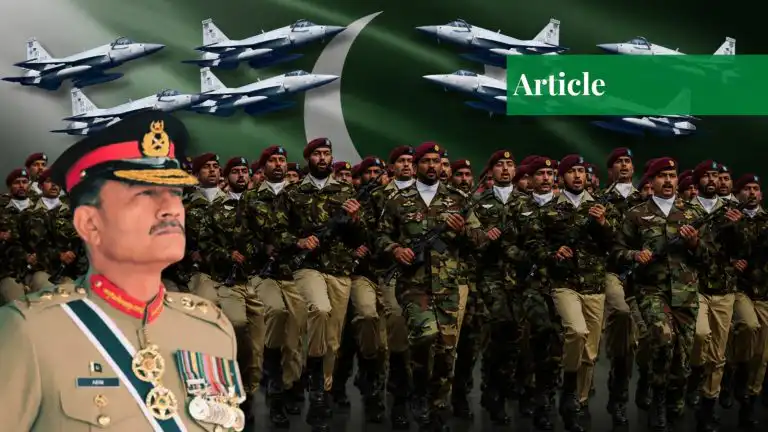
There are times in the life of nations when they quietly, but decisively, change their course. Pakistan seems to be at such a point of defining moment today, with the past resilience intermingling with the present opportunity to influence a more confident and assertive future. The achievements of Marka-e-Haq and the positive role of Pakistan in offering an off-ramp in the context of Iran-US tensions have boosted its international profile as well as revived national confidence.
A Turning Phase and Renewed National Spirit
The key to this transformation is the sense of resilience, which is rooted. Pakistan has encountered terrorism, economic pressures, climate issues, and a complicated regional setup. Nonetheless, the country has evolved and survived. This history of endurance is now forming a new sense of direction and conviction, which boosts confidence on a national and institutional level.
Claiming Power and Tactical Self-Confidence
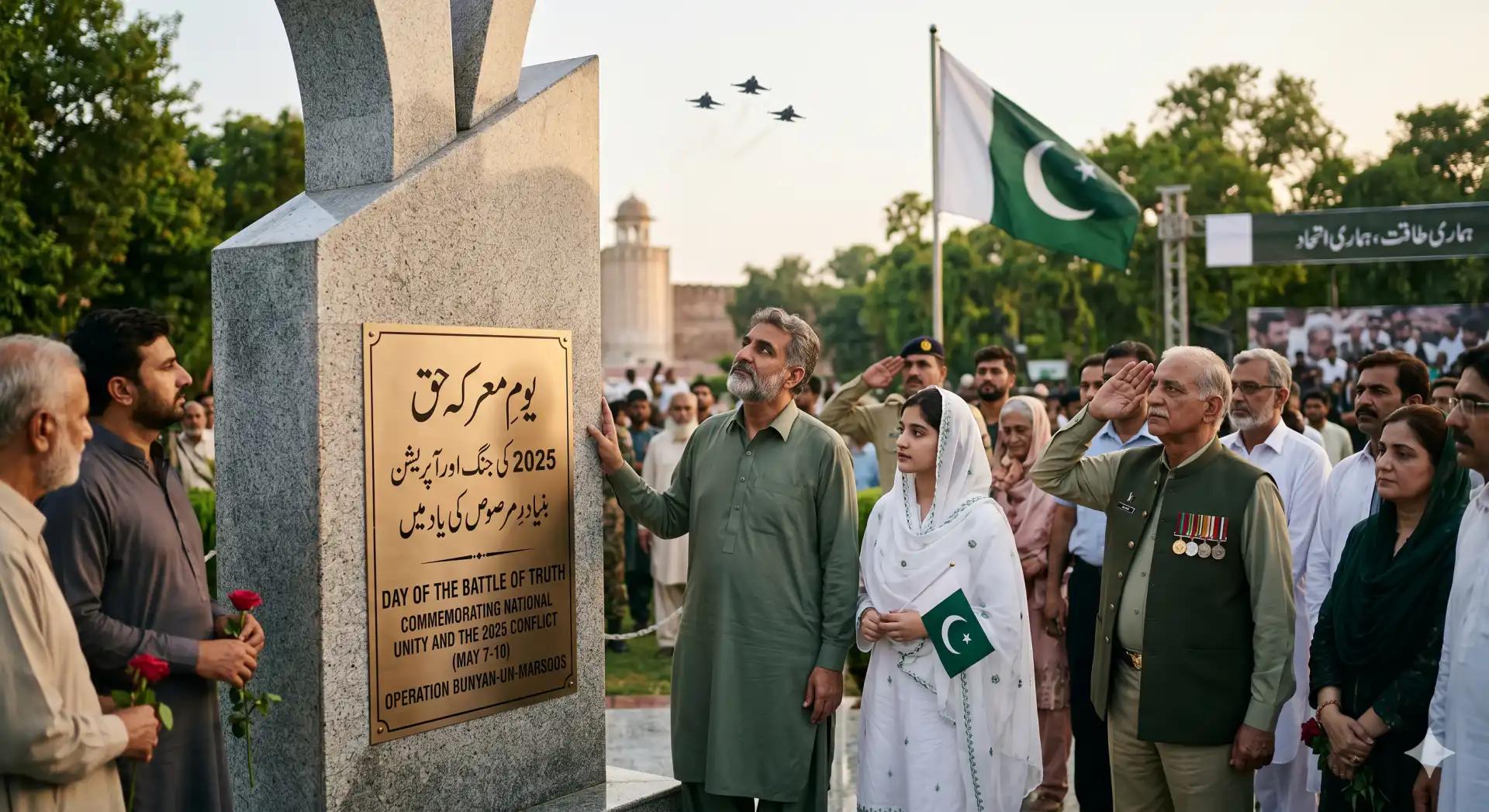
One of the factors that has contributed to this confidence has been the aggressive role of Pakistan in Marka-e-Haq. Pakistan proved to be not only tactically sound but also tactically clear in confronting India, which was bigger and more resourced. This enhanced unity, boosted morale, and enhanced faith in national strength. With this success nearing its first anniversary, its importance has grown beyond the military victory into the realm of diplomacy, a sign of the emergence of Marka-e-Haq 2.0. This concept of being strong without fighting and yet reaching a goal can be seen in the way Pakistan intervened in the situation between Iran and the United States to calm the situation. This is an expression of maturity, wisdom, and calculated diplomacy. On the contrary, the move by India to isolate Pakistan in the international system failed to deliver the desired outcomes.
Increasing Diplomatic Bearing and International Confidence
There is a growing trend whereby Pakistan is being perceived as an actor of responsible and credible behavior in international relations. Its capability to involve both Iran and the United States emphasizes trust, balance, and vision. Strategic clarity also represents a progressive and progressive attitude. The fact that Pakistan supports Saudi Arabia adds to its regional obligations and emphasizes the role of diplomacy as the initial defense mechanism.
Notably, the diplomacy of Pakistan has been informed by values as opposed to short-term political interests. The values that continue to influence its peace and reconciliation efforts are based on religion, and this can be seen as an extension of its responsibility to maintain unity and harmony, particularly between Muslim states.
Managing Internal and External Pressures
Pakistan has demonstrated the capability of handling several challenges simultaneously, too. As it took part in international mediation, it made sure that the domestic supply chains were not disrupted, as they could cause shortages and disruptions. Meanwhile, internal security issues were being solved, especially in the Pakistan-Afghanistan border, whose threats have been associated with the Afghan Taliban and militant groups. In economic terms, Pakistan was disciplined and credible, as the three point five billion dollars were repaid to the UAE, meaning a strong message of money responsibility.
Core Strengths and Long-Term Potential
The long-term strength of Pakistan is its geographical location, which links South Asia, Central Asia, and the Middle East. This renders it a natural conduit of trade and connectivity of the region. Natural resources that support this advantage include fertile land, minerals, and energy potential, as well as a young population that is capable. This was evident in the recent events during the tensions in the region, with Gwadar and Karachi ports becoming key points of trade and contact.
There is also a lesson that history teaches. Periods marked by strong national confidence and active diplomacy have often been followed by economic growth. This trend was experienced in Pakistan in the 1960s. Even though the modern world is more complicated, the lesson is that confidence and credibility can enhance the capacity of countries to attract investments and gain in the long-term development.
Future Direction and Policy Priorities
Going forward, Pakistan needs to translate this momentum into sustainable development. This demands uniformity in policy, vision, and a stress on national long-term interests.
- Enhance international relations by preserving a balanced relationship with the key players and the major powers in the region.
- Concentrate on economic stability through reforms, the attraction of investment, and the expansion of trade.
- Increase domestic security and management in order to have confidence that can be maintained in a country.
- Invest in the development of youth and technology to make it competitive in the future.
Conclusion
The establishment of nations is slow and on the basis of trust, transparency, and decisiveness. The transformation of Marka-e-Haq 1.0 to Marka-e-Haq 2.0 in Pakistan is more of a transition between military victory and diplomacy. This is not just a moment of achievement but a moment of responsibility. It requires tactical patience, a steady policy-making, and the capacity to turn short-term advantages into long-term resilience. The present stage gives Pakistan a chance to redefine its position in the world, enhance its institutions, and create a stable economic future. To continue this course, we will need harmony back home, a reputation abroad, and leadership that puts national interest first. Even the greatest momentum can die without continuity and discipline.
History remembers not those who rise briefly, but those who transform their rise into lasting power. Pakistan now stands at that threshold, and the choices made today will determine whether this moment becomes a turning point or a missed opportunity.
If you want to submit your articles and/or research papers, please visit the Submissions page.
To stay updated with the latest jobs, CSS news, internships, scholarships, and current affairs articles, join our Community Forum!
The views and opinions expressed in this article/paper are the author’s own and do not necessarily reflect the editorial position of Paradigm Shift.

Eman Alam is an International Relations student with a keen interest in global politics, public diplomacy, and international security. Her work focuses on analyzing contemporary geopolitical challenges and their implications for global power dynamic