


In Pakistan’s widespread digital financial landscape, where cryptocurrency investments and mobile wallets have been gaining the attention of youth and middle-income individuals, a new kind of cybercrime known as a ‘pig butchering scam’ has covertly marked its territory. What began as a tale of deception in East Asia, moving onto the West, has now found firm grounding in Pakistan.
According to the recent reports of the FBI on pig butchering scams, it has been revealed that such scams leave a devastating financial impact on victims, as thousands of people have lost millions of US dollars by falling prey to such scams. Another shocking aspect of such scams is the demographic profile of victims, as large transaction amounts ranging from 10,000 to 100,000 US dollars in scammer accounts suggest that the targets are usually not people with limited savings but rather those with a well-established financial demographic.
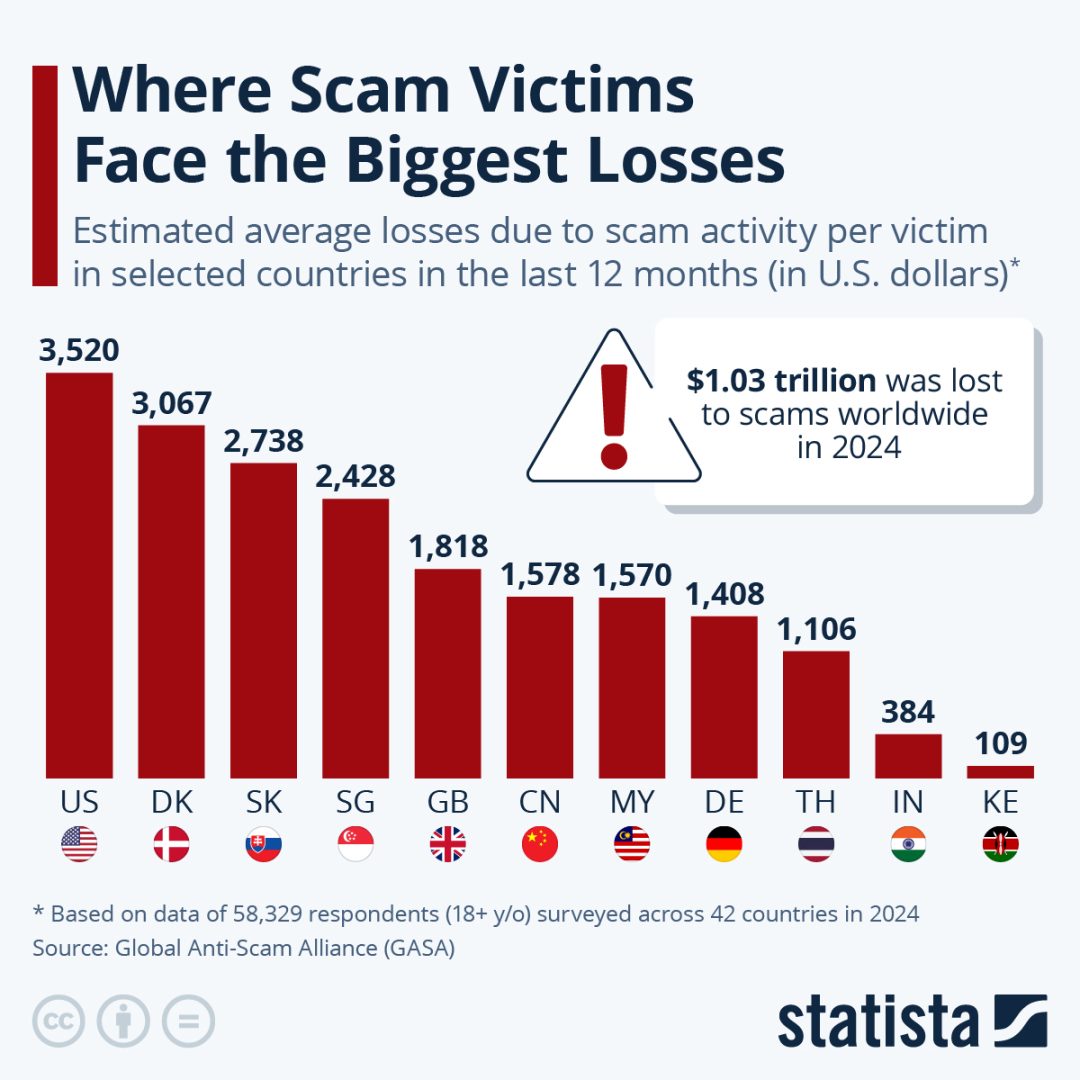
In 2024 alone, an estimated $1.03 trillion has been lost to these scams. The average estimated loss has been highest in developed and rich countries such as the US and Denmark; however, developing nations have also faced a major impact. According to a report by the Global Anti-Scam Alliance (GASA), Pakistan has lost about 4.2 percent of its GDP due to such scams.
What Is a Pig Butchering Scam?
Pig butchering is known as criminal slang. Initially, the victims of this scam are made to trust a fake online persona of the scammer. This phase of the scam is known as fattening the pig. The next phase is “slaughtering the pig,” where once the trust of the victim has been fully gained, the scammer takes their money and runs away. These scams are also known as “romance scams.” In simpler terms, these are highly targeted scams where the scammers put in extra effort to develop a fake relationship with the victim and ultimately convince them of investment fraud, which is usually conducted through cryptocurrencies.
Pig butchering emerged in the last six years, and recently, scam centers have been detected all around the world, working with different intensities yet having the same goal. Dubai, being the wealthiest and most authoritarian city in the UAE, has become a major epicenter of pig butchering since 2021. On the other hand, Nigeria, being a hub for digital scamming, has also adopted the conceits of pig butchering. Gangs that were already carrying out romance scams have quite easily adopted the tactics of pig butchering. The law enforcement agencies of Nigeria have increasingly pursued cases regarding pig butchering scams.
Moreover, Gallagher and Intelligence for Goods have explained that, while interacting with the scammer, technical indicators have been observed, which show that pig butchering attacks could have been coming out of Ghana as well. Thus, it can be observed that such scams have been spreading like wildfire among various states and are now deepening within Pakistani society.
Pakistan’s Context
For instance, a young IT freelancer in Pakistan engages with a well-spoken and polite stranger who claims to be a crypto investor from America. Over a few weeks, the conversation between the two turns into a cordial bond. Initially, the freelancer would be cautious and decide to test the waters with small amounts. When the platform shows profits and the withdrawals seem to be possible, he invests a bigger amount. At this moment, the platform would vanish along with his investment and the trusted friendships.
In Pakistan, this scam is taking advantage of the social isolation and economic desperation of people, especially the young generation. Unlike traditional scams, romance scams, or pig-butchering scams, they operate by emotionally manipulating individuals. The fraudsters flatter, befriend, and entrap the victims psychologically. They occasionally operate out of scam centers in Southeast Asia and are frequent members of multinational crime syndicates. To maintain the illusion they have created, they use deepfake identities, phony trading applications, and scripted conversations.
Moreover, a perfect storm is brewing in Pakistan as young people look up to digital assets as they seek financial stability. The government of Pakistan has yet to regulate cryptocurrency, and most victims are reluctant to report the scam out of shame. In addition to this, the cybersecurity units are also not properly staffed and trained for such kinds of advanced and tech-savvy threats within Pakistan. The most bothersome thing about these scams is that they are not only financial crimes but also psychological warfare that victims have to go through for a long period.
Plausible Solutions
To deal with these scams, firstly, awareness is most crucial. All the digital platforms in Pakistan, such as WhatsApp, Facebook, Instagram, Twitter, and TikTok, need to warn people about such scams in all the regional languages of Pakistan. This would warn each citizen about the intensity of these scams and would minimize the increasing rate of these scams. Also, educational institutes need to include digital literacy as a compulsory part of their curriculum.
Secondly, the government needs to act more swiftly in this matter. FIA’s cybercrime wing needs to be allocated more resources, and international support or collaborations are needed in order to gain the trust of the public. Without establishing this kind of trust, such scams cannot be detected and timely addressed by the units. Moreover, special task forces are needed to be established in order to handle financial cybercrime, including the ones regarding cryptocurrency.
Lastly, support systems should be introduced in society so that victims of these pig butchering scams can be consoled and their mental well-being can be ensured. Therapy options and helplines should be provided to those who have been emotionally and economically impacted by these scams.
Conclusion
The silence around these pig butchering scams in Pakistan is worrisome. Such crimes operate quietly and have fatal impacts on both the well-being of individuals and the economic growth of the country. Therefore, it’s time to break the silence over these scams, and to do so, warnings are simply not enough. There is a dire need to take action by focusing on digital awakening, the establishment of FIA cybercrime units, financial training, and timely reporting of these scams.
If you want to submit your articles and/or research papers, please visit the Submissions page.
To stay updated with the latest jobs, CSS news, internships, scholarships, and current affairs articles, join our Community Forum!
Find our FREE quizzes and MCQs here!
The views and opinions expressed in this article/paper are the author’s own and do not necessarily reflect the editorial position of Paradigm Shift.
Areej Ajmal is a lecturer at the University of Lahore. She possesses a robust academic background in political science from Punjab University, Lahore. Her expertise encompasses democratization, global and gender politics.