

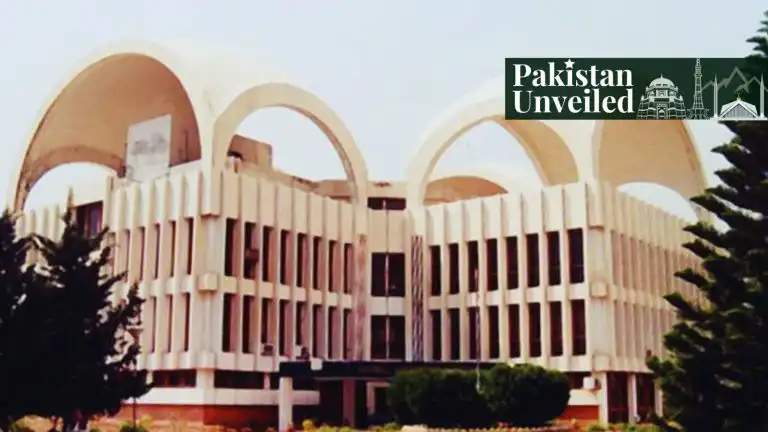
The National Archives of Pakistan is a silent but strong organization that is placed within one of the most secure areas of Islamabad. The more you read, the more you see that it is not a government office. It is the place where Pakistan preserves its memory – its decisions, struggles, letters, newspapers, and voices of the past.
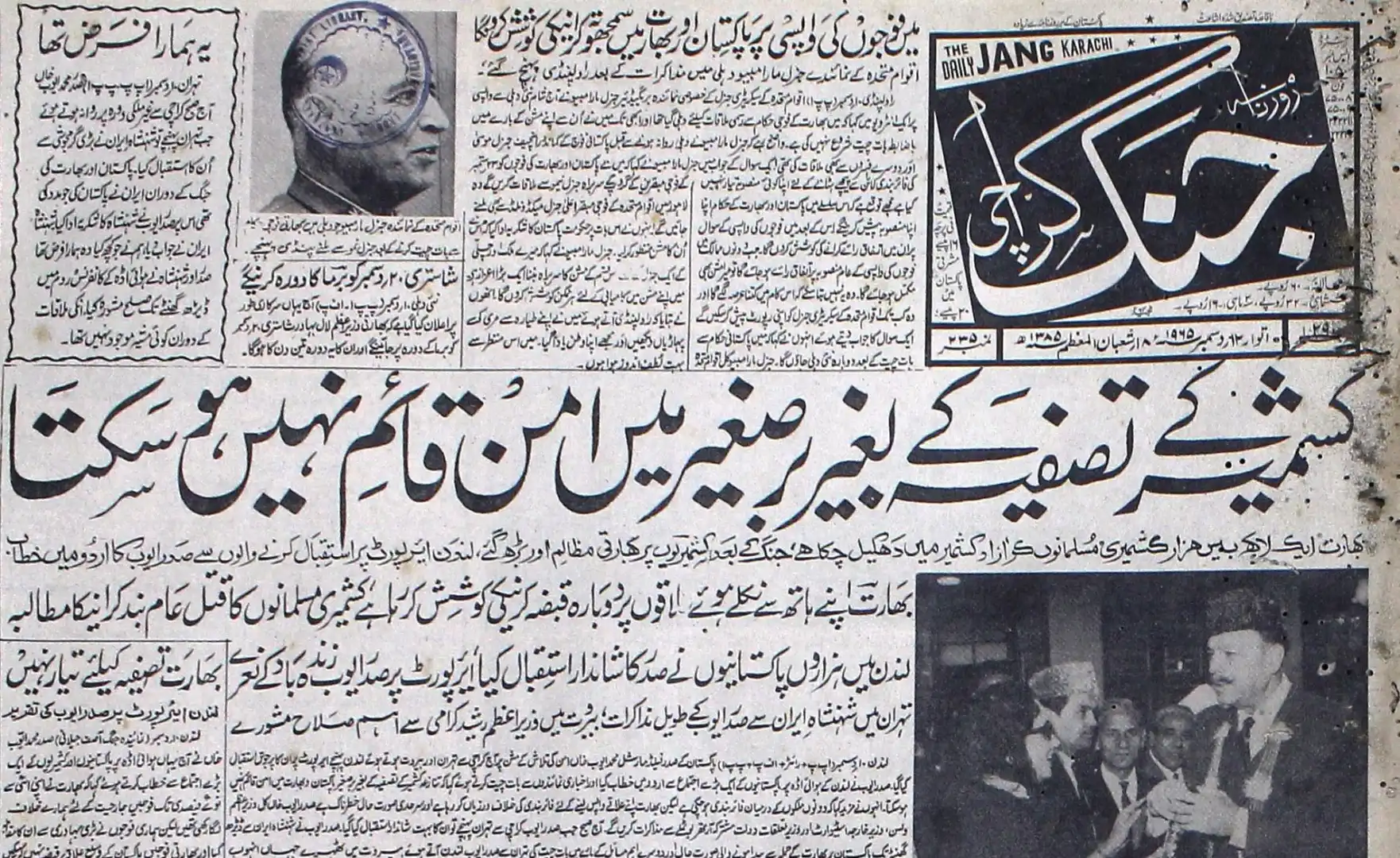
The National Archives of Pakistan (NAP) stores the documents explaining the creation of this country and the development it experienced after independence. This is where the written history of Pakistan is quietly preserved in the papers of Quaid-e-Azam, in old cabinet files, in hidden books, in historic newspapers, and in historic photographs.
What Is the National Archives of Pakistan? (NAP Explained Simply)
The National Archives of Pakistan is the main Government archival organization. It operates under the Cabinet Division, and it is tasked with keeping public and private records that are of national, historical, and cultural significance.
Simply put, when state archives are no longer used daily, but remain relevant to history, they are sent to NAP. The same applies to donations of the private collections by families, scholars, or institutions.
The National Archives of Pakistan is also a part of the International Council on Archives (ICA) and its local organization SWARBICA, which binds Pakistan to international standards of archiving.
A Short History of the National Archives of Pakistan
From Independence to an Independent Institution
The history of archival development in Pakistan began at a very early stage. The government understood, after gaining independence, that documentation of the new state had to be taken care of.
- 1948: The Pakistan Historical Records and Archives Commission was established.
- 1951: The Directorate of Archives and Libraries was formed under the Ministry of Education.
- 8 December 1973: The directorate was divided into two entities:
- National Archives of Pakistan
- National Library of Pakistan
This was later supported by the National Archives Act 1993, which established a solid legal base for NAP and how public records need to be kept and accessed.
The idea was straightforward: records were not to be lost, destroyed, or locked permanently.
National Archives of Pakistan Act 1993
The act that regulates the working of the archives in Pakistan is the National Archives of Pakistan Act 1993.
The following are the most important points that you may consider:
- Non-current records that are held by government departments should be transferred to NAP.
- The historical value records should be kept indefinitely.
- The majority of the government records are released to the general public after 20 years.
- There are records that might not be open to the public because of national security.
- The Director-General has the power of access, reproduction, and preservation.
This law ensures that records are not lost in a random manner and that history is available.
National Archives of Pakistan Address & Location Details
Where Is the National Archives of Pakistan Located?
The National Archives of Pakistan address is:
Block-N, Pakistan Secretariat, Red Zone, Islamabad, Pakistan
A lot is explained by the location itself. The archives are located within a high-security government area, which implies that there is control and monitoring of access.
National Archives of Pakistan Contact Number
Some commonly listed contact numbers include:
- Director General Office: +92-51-9246288
- General Contact: +92-51-9246162 / +92-51-9202044
What’s Inside? Precious Collections of the National Archives of Pakistan
This is where things get truly fascinating.
Quaid-e-Azam Papers
These include personal correspondence, notes, and official documents of Muhammad Ali Jinnah. Many historians rely on these papers to study Pakistan’s early decisions.
Fatima Jinnah Papers
These records highlight her role as the “Mother of the Nation” and her political and social contributions.
Muslim League & Freedom Movement Records
Original documents from 1906 to 1947, including letters, resolutions, and internal communications of the All-India Muslim League.
Government Records & Cabinet Files
- Cabinet decisions
- Gazette notifications
- Reports from the British Raj
- Post-1947 federal ministry files
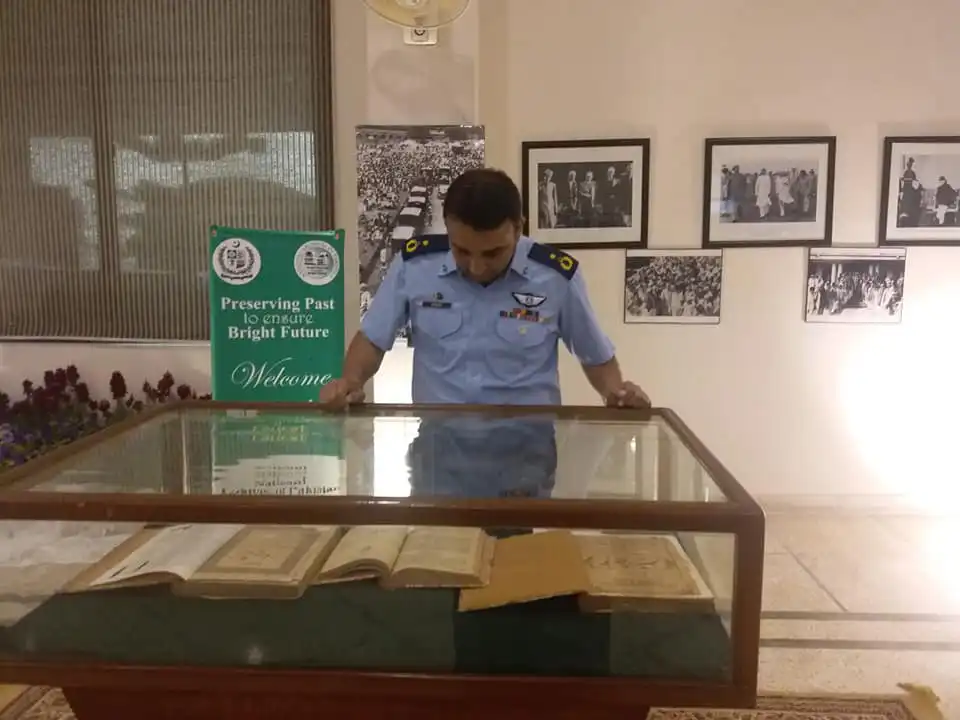
Newspapers, Microfilms & Rare Books
- Old issues of Dawn, Pakistan Times, and other newspapers
- Thousands of microfilms
- Rare books in Urdu, Persian, Arabic, and English
- Approximately 19,000 books in the archives library
How the Archival Process Works
One of the questions that is usually posed is how an archive is created. The procedure is, however, highly organized.
1. Acquisition of Records
- File transfers take place between government departments.
- Document donations are made by private persons.
- A portion of this material, bought or received as a bequest.
2. Accessioning & Cataloging
Each document is recorded, labeled, and given a unique reference number.
3. Conservation & Preservation
Fragile papers go through:
- De-acidification
- Chemical treatment
- Special lamination using archival tissue
4. Digitization & Microfilming
To protect originals, documents are scanned or microfilmed. This also improves access.
How to View Documents in the National Archives of Pakistan?
Who Can Visit the National Archives of Pakistan?
- Researchers
- University students
- Historians
- General public
- Government officials
Foreign researchers usually need approval from the Ministry of Interior.
Step-by-Step Access Process
- Apply for Research Membership
- Submit CNIC or passport copy
- Provide a recommendation letter (for students/scholars)
- Request files through the catalog
- Use documents under supervision in the research room.
National Archives of Pakistan Online Presence: What’s Available Digitally?
The National Archives of Pakistan’s online presence is growing, but it is still limited.
- Online catalogs are available
- Some digitized collections can be viewed
- Full document downloads are not publicly available
- Most serious research still requires an in-person visit
Official website:https://www.archives.gov.pk
Security Rules You Should Know Before Visiting
Because of its location and the nature of the records:
- ID checks are mandatory
- Bags and phones may be restricted
- No food, drinks, or pens near documents
- Photography is usually prohibited
These rules protect fragile material that cannot be replaced.
National Archives of Pakistan Jobs & Careers
National Archives of Pakistan jobs are not announced regularly, but when they are, they appear through:
- Federal Public Service Commission (FPSC)
- National Job Portal (NJP)
- Official NAP website
Common roles include:
- Archivists
- Conservation specialists
- Librarians
- Digitization staff
- Data entry operators
Visiting Timings of the National Archives of Pakistan
Most sources confirm standard government timings:
- Monday to Friday: 9:00 AM – 5:00 PM
- Closed on weekends and public holidays
It is always better to confirm before visiting.
Where Paper Becomes Memory
While researching the National Archives of Pakistan, you will realize this place does not chase attention. It quietly protects it. Every file, letter, and newspaper stored here explains something about who we are and how we reached this point.
In a time when digital content disappears in seconds, the National Archives of Pakistan stands as proof that history needs care, patience, and structure. If you care about Pakistan’s past — or want to understand its present — this is one institution you should not ignore.
If you want to submit your articles and/or research papers, please visit the Submissions page.
To stay updated with the latest jobs, CSS news, internships, scholarships, and current affairs articles, join our Community Forum!
The views and opinions expressed in this article/paper are the author’s own and do not necessarily reflect the editorial position of Paradigm Shift.