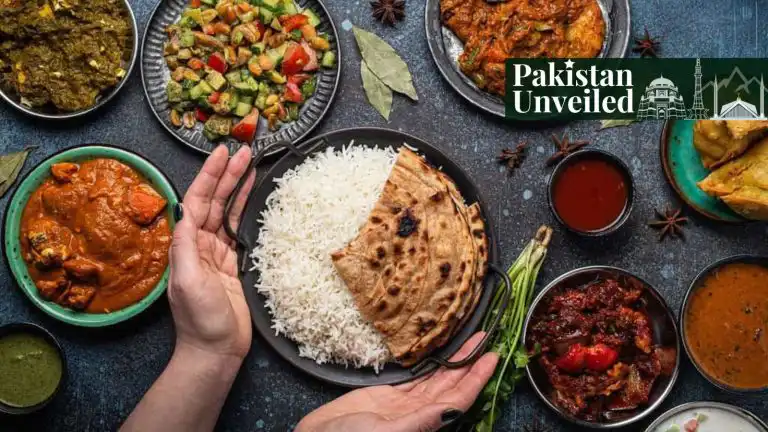

The Pakistani food is a hearty mixture of the Central Asian, Persian, and Indian cuisines, developed over the centuries by the palaces of the Mughal Empire and the rugged Indus valley traditions. These flavors are a developing story since the partition in 1947, which were once a secret of the royalties, to the snack food we are fond of in the streets. We will discuss the Pakistani food culture in this guide, from the migration of 1947 to the present food boom.

The national dishes of Pakistan are not just a fragrance of cardamom and cumin, it is a roadmap of history. Dining in the ghetto streets of Gawalmandi in Lahore, and in the salt-grilled grills in Peshawar. Our cuisine is a genuine, breathing representation of immigration.
The 1947 Legacy: How Migration Defined the National Dishes of Pakistan
According to the elders, the national dishes of Pakistan shifted overnight in August 1947. The local staples in the region were the simple grains and meat before independence. However, they did not leave behind the royal taste, and when millions of people left Delhi, Lucknow, and Hyderabad (Deccan), they took it with them.
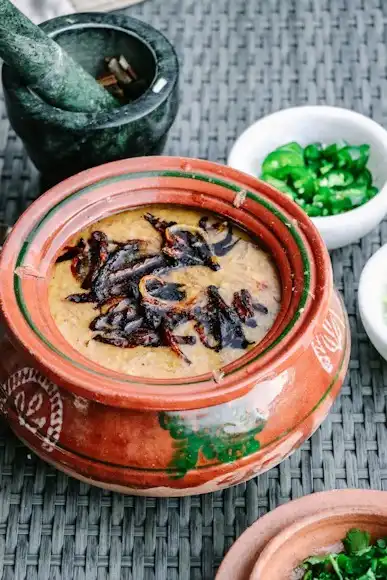
Foods such as Nihari and Haleem moved out of the kitchens of nawabs into the streets of Karachi. The muhajir population made Karachi a melting pot of the culinary world, and spices started being used heavily, which we now consider a staple of Pakistani traditional food.
The Hall of Fame: Top 10 National Dishes of Pakistan
These ten dishes are targeted by a starter pack of Pakistani flavors. These are the foods that make us what we are, from the Arabian Sea to the Karakoram mountains.
- Nihari: It is a beef or mutton shank stew, which is cooked slowly and was invented in the 18th century in Delhi. It is considered the undisputed king of Pakistani cuisine.

- Biryani: Biryani, particularly the Sindhi and Karachi varieties, is spicy, aromatic, and layered.
- Chicken Karahi: This is a wok-style curry prepared using tomatoes and ginger. None of the authentic versions include onions!
- Haleem: This is a hearty lentil, wheat, and meat porridge, which is the most comforting dish of all.
- Chapli Kebab: This is a masterpiece of Peshawar, an oversized, flat minced meat patty that is laced with pomegranate seeds.
- Sajji: Roasted whole lamb or chicken (Balochistan), normally filled with rice.
- Siri Paya: This is a breakfast dish made of goat or cow trotters.
- Saag & Makki di Roti: Mustard greens with cornmeal flatbread—the heart of rural Punjab.
- Seekh Kebab: Spiced minced meat molded onto skewers and grilled over hot coals.
- Zarda: Sweet, yellow-tinted rice garnished with nuts and ashrafi (dried fruits).
Map of Flavor: Traditional Food of Pakistan Provinces
The spice content decreases as you head west of Pakistan, and the meat grade assumes the leading role.
Punjab: The Land of Butter and Ghee
Punjab is all about richness. Punjabis consume high amounts of dairy and butter as well as desi ghee. Foods such as murgh cholay (chicken and chickpeas) and butter chicken are local.

Sindh: The Spicy Seafood Hub
Sindh is where the spice is! The reason why Sindhi biryani is loved is that it is more tangy, with some dried plums (aloo bukhara). Their other cuisine is also known as palla fish, a delicacy of freshwater from the Indus River.

Khyber Pakhtunkhwa (KP): The “Land of Meat”
The province of Khyber Pakhtunkhwa is concerned with salt and animal fat as opposed to heavy masalas. You must not leave KPK without trying the namak mandi and shinwari karahi, which is made with just tomatoes, salt, and ginger. It’s a minimalist’s dream.
Balochistan: Slow-roasted Simplicity
Balochistan offers sajji and dampukht. The latter involves steaming meat in its own fat with potatoes. It’s a very ancient way of cooking that has stayed alive for centuries.

History in a Pot: Where Did These Dishes Come From?
Pakistani food is a “melting pot” of several empires. Based on culinary history, we can trace back most of our favorites:
- The Mughals: They provided us with qorma, pulao, and the artistry of saffron and nuts.
- Central Asia: Silk Road traders brought with them the naan and the kebab.
- The British Raj: You will be surprised to know that the high tea type of culture in places such as Lahore and Islamabad is a colonial legacy that we have made ours with samosas and pakoras.
From A to Z: The Pakistani Traditional Food List
As a food student, you will find this fast Pakistani food names A to Z reference guide interesting:
- A: Aloo Gosht (Meat/Potato stew)
- B: Bun Kebab (The Pakistani street burger)
- C: Charsi Karahi (Famous from Peshawar)
- D: Daal Chawal (Lentils and rice)
- F: Falooda (A sweet, cold dessert drink)
- G: Gulaab Jamun (Syrup-soaked dough balls)
- H: Hareesa (A smoother version of Haleem)
- K: Kabuli Pulao (Fragrant rice with raisins and carrots)
- L: Lassi (The ultimate yogurt drink)
- N: Nargisi Kofta (Meatballs with a hidden egg inside)
- P: Pakora (Gram flour fritters)
- S: Sheer Khurma (Eid vermicelli pudding)
- Z: Zarda (Sweet rice)

Eating with the Seasons: Weather-Specific Pakistani Foods
The weather in Pakistan dictates what to cook. We have experienced scorching hot summers and foggy winters, but the menu will always change accordingly.
- Rain: When it starts raining, it is almost a rite of passage to go and fry pakoras and make karak chai.
- Winter: It is the time of gajar ka halwa (carrot halwa) and Kashmiri chai (the well-known pink tea with salt and pistachios). Fish stalls are also crowded with people getting their deep-fried spicy fish.
- Summer: We drink lassi, sattu, and falooda to survive the heat of 45 °C.

Occasion-Specific Foods: More Than Just a Meal
Festivals are the most radiant periods of Pakistani food culture. It is noteworthy that food unites people, whatever their walk of life, in these times:
| Occasion | Signature Dish | Why It Matters |
|---|---|---|
| Eid-ul-Fitr | Sheer Khurma | To celebrate the “Sweet Eid” after a month of fasting. |
| Eid-ul-Adha | Kaleji (Liver) Fry | The first meal made from the sacrificial meat. |
| Ramadan | Fruit Chat & Dahi Bhallay | Light but energy-packed foods for Iftar. |
| Muharram | Haleem | Cooked in huge pots (deghs) and shared with the poor. |
| Weddings | Chicken Qorma & Zarda | The classic festive combo for any guest. |
The Daily Grind: Breakfast, Lunch, and Dinner
- Breakfast (Nashta): On an average Sunday, families and friends enjoy halwa puri as an obligatory celebration. The difference between the sweet and the spicy chickpeas and the halwa is flawless.
- Lunch: The most basic meal is normally daal chawal (lentils and rice) or a vegetable curry.
- Evening Tea (Sham ki Chai): 5.00 PM is like a holy time. It is tea with samosas or biscuits.
- Dinner: As the “main event,” it is at this point that we take out the karahi, seekh kebabs, and fresh naan from the local tandoor.
Beyond the Plate: Why Pakistani Food is a Love Language
Reading and discussing the national dishes of Pakistan will make you feel that Pakistani food is not only about calories. It is about that sort of mother who will insist that you take a second plate of biryani, or how a local villager will give you a cup of tea when they don’t even know your name.
Our food has been our greatest connection to our own roots, from the spice-crammed food of 1947 to the hip-hop fusion cafes of modern times. You are either having a chapli kebab in one of the dusty streets or having a fine nihari in one of the fancy restaurants, you are tasting the strength and the heart of Pakistan.
If you want to submit your articles and/or research papers, please visit the Submissions page.
To stay updated with the latest jobs, CSS news, internships, scholarships, and current affairs articles, join our Community Forum!
The views and opinions expressed in this article/paper are the author’s own and do not necessarily reflect the editorial position of Paradigm Shift.