People often say that moving from fuels to renewable energy will end the fights over oil and gas. For a time, controlling oil has shaped how countries talk to each other and has even caused wars. Now the world is moving toward vehicles, solar power, wind energy, and battery storage. This shift is starting fights over minerals like lithium, cobalt, nickel, graphite, and rare earth elements. It looks like the world might be leaving oil wars behind. We are not escaping the fight for resources. Instead, the competition is just changing. We are no longer just fighting over oil fields and pipelines; now we are fighting to secure minerals, factories, new tech, and supply chains.
We all know how much oil matters to the world. During the century, oil became a must-have for factories, cars, and even armies. Because of this, the Middle East became an important place for global politics. Big countries wanted to make sure they could always get oil, and countries that had oil used it to gain power. The 1973 oil crisis showed us how much power a country can have when it stops selling oil to others. Recently, we saw how Russia used its oil and gas to put pressure on Europe.
The green transition is changing everything. Electric vehicles do not need gasoline, and renewable energy can help countries stop buying much fuel from others. You can use panels and wind turbines even if a country has no oil. This means energy could become more local and safer for nations. There is a catch. Clean energy tools need a lot of minerals. The International Energy Agency says an electric vehicle needs way more minerals than a normal car. As we want clean tech, getting these minerals is becoming a huge political problem.
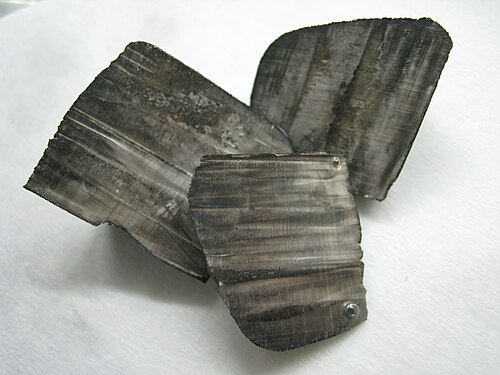
Lithium is a deal right now because it is used in almost all modern batteries. Countries like Australia, Chile, Argentina, and China are the players in the lithium supply chain. There is a place called the “Lithium Triangle,” made up of Argentina, Bolivia, and Chile, that has a lot of lithium. Bolivia wants the government to have control over how lithium is taken from the ground. Because lithium is so valuable, many governments and companies are now fighting to make sure they have enough for the battery industry.
The problem is not just about where we dig for minerals. Refining and cleaning those minerals is just as important. China is currently the leader in processing minerals and making batteries and solar panels. This makes the United States, Europe, and Japan worry that they rely too much on just one country. Because of this, the U.S. passed the Inflation Reduction Act, and the European Union is trying to build its mineral supply chains to stay safe.
Cobalt is another example of how tricky this transition can be. The Democratic Republic of the Congo has most of the world’s cobalt. Mining cobalt has caused many problems with bad working conditions, child labor, and damage to nature. This shows a truth about the green transition. The tools we use to save the planet can sometimes rely on mining that hurts people and the earth. If we do not set mining rules, we might just repeat the same mistakes we made with oil.
The fight for minerals is also changing how big countries treat one another. The United States and China are racing to gain influence in places that have resources. At the same time, countries in Africa and Latin America realize their minerals are worth a lot. Instead of just selling raw rocks for a low price, some of these countries want companies to build factories and make batteries on their own lands. This could help them make money from the green economy.
Still, it is not right to say we are just entering “lithium wars.” Minerals are different from oil. Minerals are found in different places, and we can often find ways to use different materials or recycle them. New technology is already making batteries that use cobalt or even no cobalt at all. Recycling old batteries could also give us a way to get minerals. Sunlight and wind are everywhere, unlike oil, which is stuck in certain spots. This might make the new energy system harder to control through politics.
The real goal is to make sure the green transition does not just create a kind of dependence. We need different ways to get supplies, better recycling, and new ideas. Countries with lots of minerals should be able to grow their economies instead of just shipping raw materials away. The countries that use the energy must also remember not to push the costs of mining onto nations.
In the end, the way we think about energy is changing deeply. The time when oil ran everything is slowly ending. Now lithium, cobalt, nickel, graphite, rare earths, batteries, and clean-energy technologies are taking its place. The green transition does not stop the fight for resources; it just makes the fight different. Whether the future is full of conflict or cooperation depends on how leaders manage these mineral supply chains. We should not just swap oil for lithium. We should build an energy system that’s safe, fair, and good for everyone. The success of the transition will be measured by more than just lower carbon; it will be measured by whether we can avoid the unfairness of the old oil era.
If you want to submit your articles and/or research papers, please visit the Submissions page.
To stay updated with the latest jobs, CSS news, internships, scholarships, and current affairs articles, join our Community Forum!
The views and opinions expressed in this article/paper are the author’s own and do not necessarily reflect the editorial position of Paradigm Shift.

Muhammad Imroz hascompleted his BS in International Relations from BUITEMS and an MA in Political Science from UOB, Quetta.