
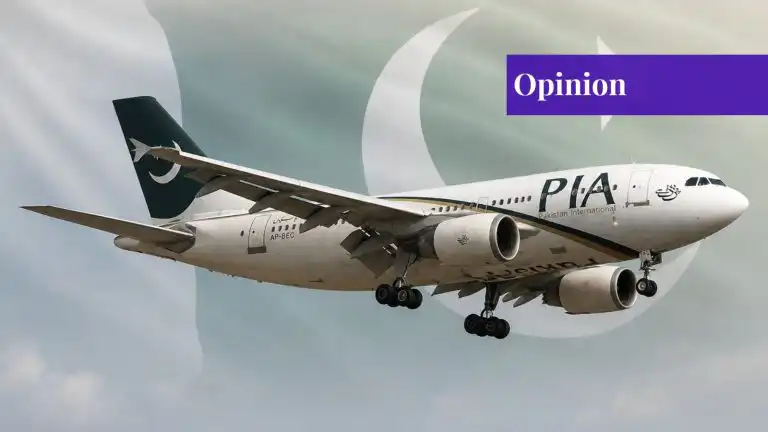
Pakistan’s aviation model rests on a false premise: air travel has been treated as an elite convenience rather than an engine of economic growth. This structural flaw has reduced aviation to a privilege rather than a driver of national productivity. The provincial comeback of Rahim Yar Khan Airport, or the revival of private carriers like Air Indus, should not be mistaken for evidence of state vision. That interpretation is misleading.
These developments are not the product of calculated policy but reactive, market-driven adjustments within a system shaped by decades of centralized control. When profitability on major routes declines and regional demand is ignored, the market intervenes. What we are witnessing is not reform but correction—an unintentional response to a system that has constantly failed to incorporate its peripheral regions.
The real problem is not the number of flights. It is the model itself. Pakistan’s aviation sector remains concentrated around Islamabad, Karachi, and Lahore, while regional airports stay inactive despite their capacity to reduce travel time, bridge geographical divides, and open local economies. Until aviation is expanded to these peripheral hubs, where genuine economic activity can emerge, “economic sovereignty” will remain an empty slogan. Pakistan’s aviation policy will continue to fail unless it transforms mobility not as a luxury, but as infrastructure, one that urges productivity, integration, and growth.
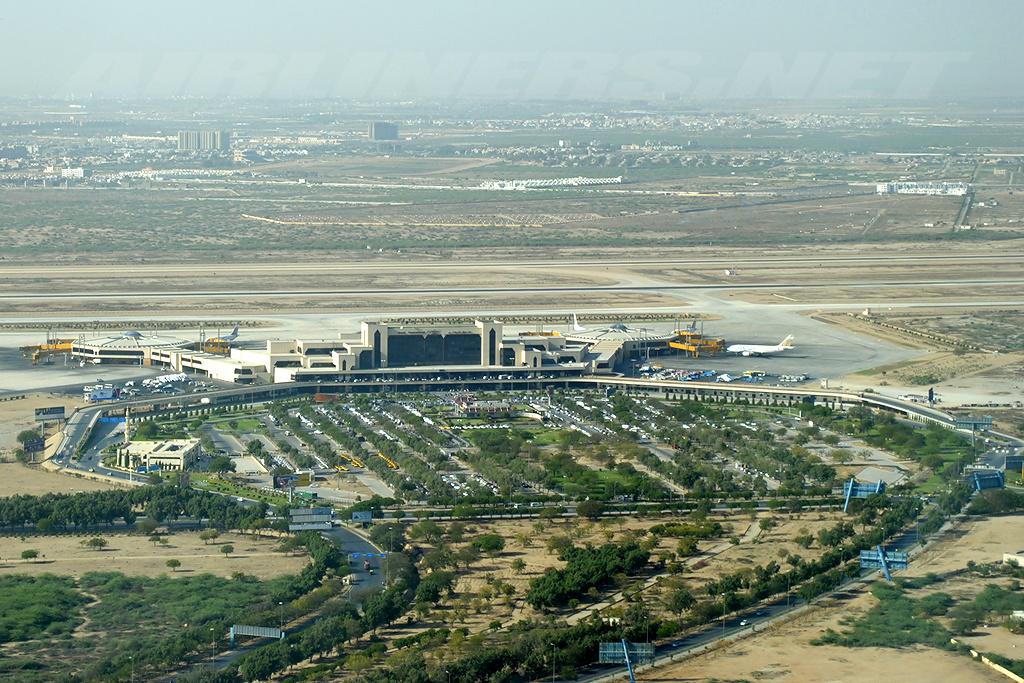
This structural failure is most visible in Pakistan’s logistics system. Transporting high-value industrial goods and agricultural produce along congested highways to a handful of major airports is not inefficiency; it is a clear policy failure. It leads to delays, product damage, and rising transport costs long before goods reach global markets. Regional airports are not optional infrastructure; they are economic connectors that can bypass this bottleneck and link local industries directly to international demand.
Yet many of these airports remain underutilized, exposing systemic failures in infrastructure management. Keeping them inactive turns national resources into fiscal burdens. Activating these facilities would transform passive infrastructure into revenue-generating hubs through landing fees, ground services, and airspace utilization, while also reducing travel time for investors and businesses.
More importantly, it would break the strong grip big airlines have on the market. Limited competition on key routes has kept ticket prices high and service quality low. Opening regional airports to private carriers would break this control, reduce costs, and transform aviation as a driver of economic growth rather than just a privilege for the elite.
Achieving this requires confronting a harsh reality: Pakistan’s aviation sector has been controlled by state-backed monopolies for many years. The Civil Aviation Authority has long operated more like an objective regulator than a protector of legacy carriers, limiting regional competition through high fees and strict route approvals.
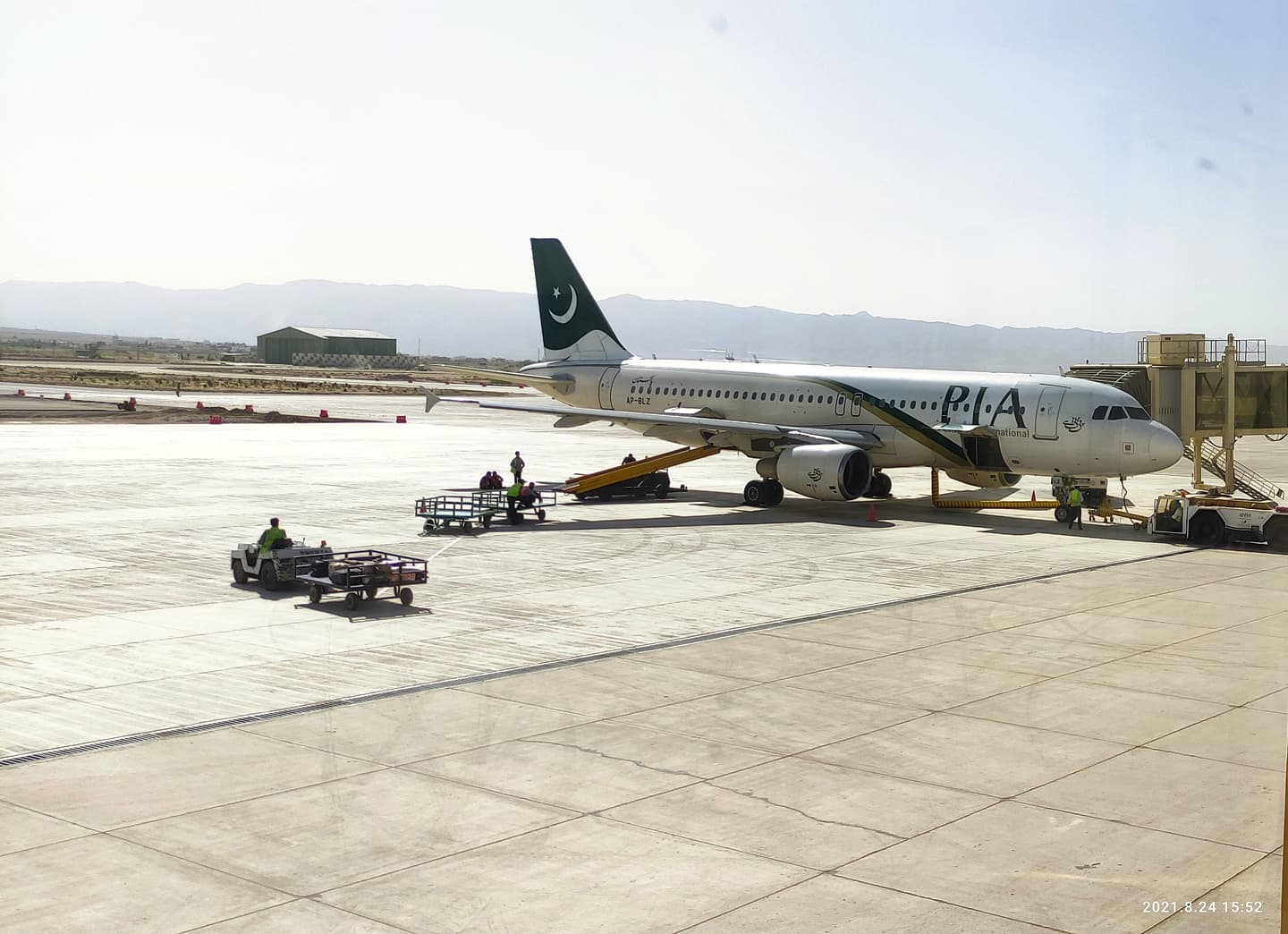
Breaking this entrenched cartel system cannot be achieved through small administrative adjustments; it requires strong open-skies deregulation. As competition increases on regional air routes, major airlines will no longer be able to keep fares artificially high. This will make air travel a practical business necessity for regional economies, rather than a privilege enjoyed by only a few.
To turn this vision into real geoeconomic strength, Pakistan needs practical and targeted policy reforms. First, major airports such as Karachi, Lahore, and Islamabad should adopt a strict “use it or lose it” airport slot policy. This would require major airlines to allocate at least 15% of their operations to secondary airports such as Rahim Yar Khan, Sukkur, and Gwadar.
At the same time, these regional airports should be designated as Free Aviation Zones, with a 100% tax exemption on jet fuel and ground equipment for five years. A fully digital, paperless export system should also be introduced to simplify business processes and eliminate unnecessary bureaucracy.
Reopening regional airports alone, without making major structural reforms, is like putting fuel into a plane with a broken engine. If the government limits these projects to ribbon-cutting ceremonies and publicity campaigns, these air corridors will fail once again. They will remain permanent monuments to financial mismanagement.
Pakistan can no longer afford to delay its economic development. Modern states do not concentrate economic growth in a few major cities. They turn their entire geography into a source of economic strength. If Pakistan fails to transform its regional air routes into sustainable commercial air corridors, it could become an irreversible setback to the country’s national geoeconomic strategy.
If you want to submit your articles and/or research papers, please visit the Submissions page.
To stay updated with the latest jobs, CSS news, internships, scholarships, and current affairs articles, join our Community Forum!
The views and opinions expressed in this article/paper are the author’s own and do not necessarily reflect the editorial position of Paradigm Shift.

Memoona Nawaz is an international relations graduate and a research intern at the International Institute of Regional and International Studies (IIRIS). Her research interests include diplomacy, foreign policy, South Asian studies, and aviation policy.