Gig Work Earnings
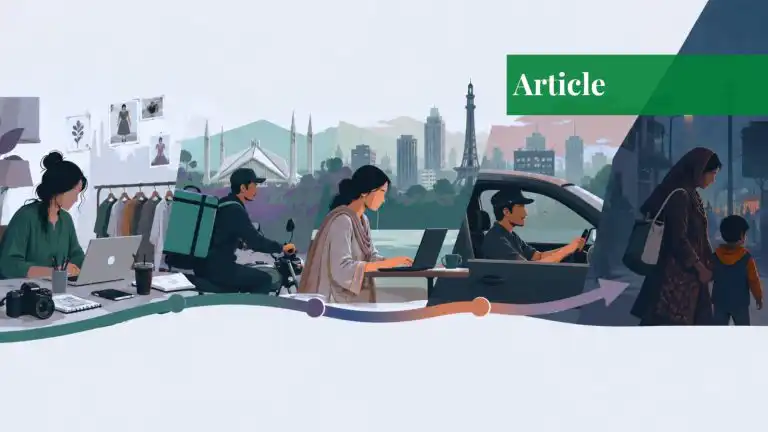
Many motorcycles fill the roads in Pakistan every evening. Some of those are on their way home after their 9-to-5 job. While many begin their real jobs: food delivery, app riding for InDrive or Bykea, or package delivery. Meanwhile, thousands of young people are working on their laptops across many cities of Pakistan. Many of those are working freelance on websites like Upwork and Fiverr for international clients.
These are two very distinct groups in the gig economy. One uses a motorbike and manual labor; the other uses the internet and a laptop. Both point to the same shift: what once served as extra income or a side activity has now become a way of survival and a main source of income.
2026 is the record-breaking year for freelance revenue in Pakistan. As reported by the State Bank of Pakistan, Pakistani freelancers generated $1.76 billion in foreign exchange, an all-time high this fiscal year, according to an advisor to the finance minister. It is a sharp increase of 78% compared to the previous year, when it was $984 million.

Now the interesting fact is the source of this growth. Technical and IT freelancers, developers, and coding specialists earned $1.16 billion, a significant amount. But the non-IT freelancers made record-breaking growth from $205 million to $592 million, which is 188% in a single year.
The figures show that freelancing is not limited to programmers and IT workers. Even people with basic skills can now take part in the freelance economy. Today, Pakistan stands among the top five freelancing countries in the world. There are over 2.3 million active freelancers, with 75% of them under 35. This does not mean they are becoming technology experts. It shows that our youth are exploring new income-generation means.
Why Has Gig Work Expanded Today?
Now the question arises: why is it happening rapidly today? The answer is simple: alternative ways of earning are now less secure.
Over the years, a job board, particularly in the Gulf region, was the main source of income for Pakistani households. Where a person from the family would shift abroad, earn, and financially support the whole family. Right now, this safety net has become less reliable. The Gulf region has become very insecure due to conflicts in the Middle East, with operational pressure on remittances.
Government data shows overseas worker registrations from Rawalpindi falling from 29,290 in 2023 to 25,781 in 2025, with an estimated 19,500 projected for 2026. National registrations are more volatile: Saudi Arabia’s fell about 32% in 2026 versus 2025, and Oman’s dropped 92%, the sharpest of any country, while the UAE’s rose. State Bank data show a similar swing, with UAE and Saudi inflows rising in May 2026 before falling again in June.
Economist Dr. Ghulam Mohey-ud-din cautions against overstating the link: gig work is “functioning as a fallback or supplementary income source when returning to Gulf employment becomes less certain,” but “the aggregate data do not yet establish a systematic substitution effect.” The two trends are moving together, but the link between them hasn’t been proven—visible so far at the household level, not yet in the national data.
Since this way of earning has become unstable, it has made policymakers and economists find a substitute, such as gig work. People are now looking to generate income from home through the internet, instead of going abroad. A transition from going abroad for earnings to virtually providing services to clients anywhere in the world.
An Overlooked Part of the Story
Generally, people only consider online freelance workers as a part of the gig economy. However, a larger part of this economy is often ignored.
Pakistan’s gig economy comprises about 2.2 million people. As per the Labor Force Survey 2024–25, online freelancing contributes to 2.9% of overall employment in Pakistan. This is a small figure, but the total working population of the country is huge, so a small percentage represents millions of freelancers. The most surprising fact is that 97.1% of all platform freelancers are not working online. This includes delivery riders, drivers, and workers instead of writers or designers.
This side of the gig economy is less discussed. Only the success stories of digital workers are often published in articles and on social media.
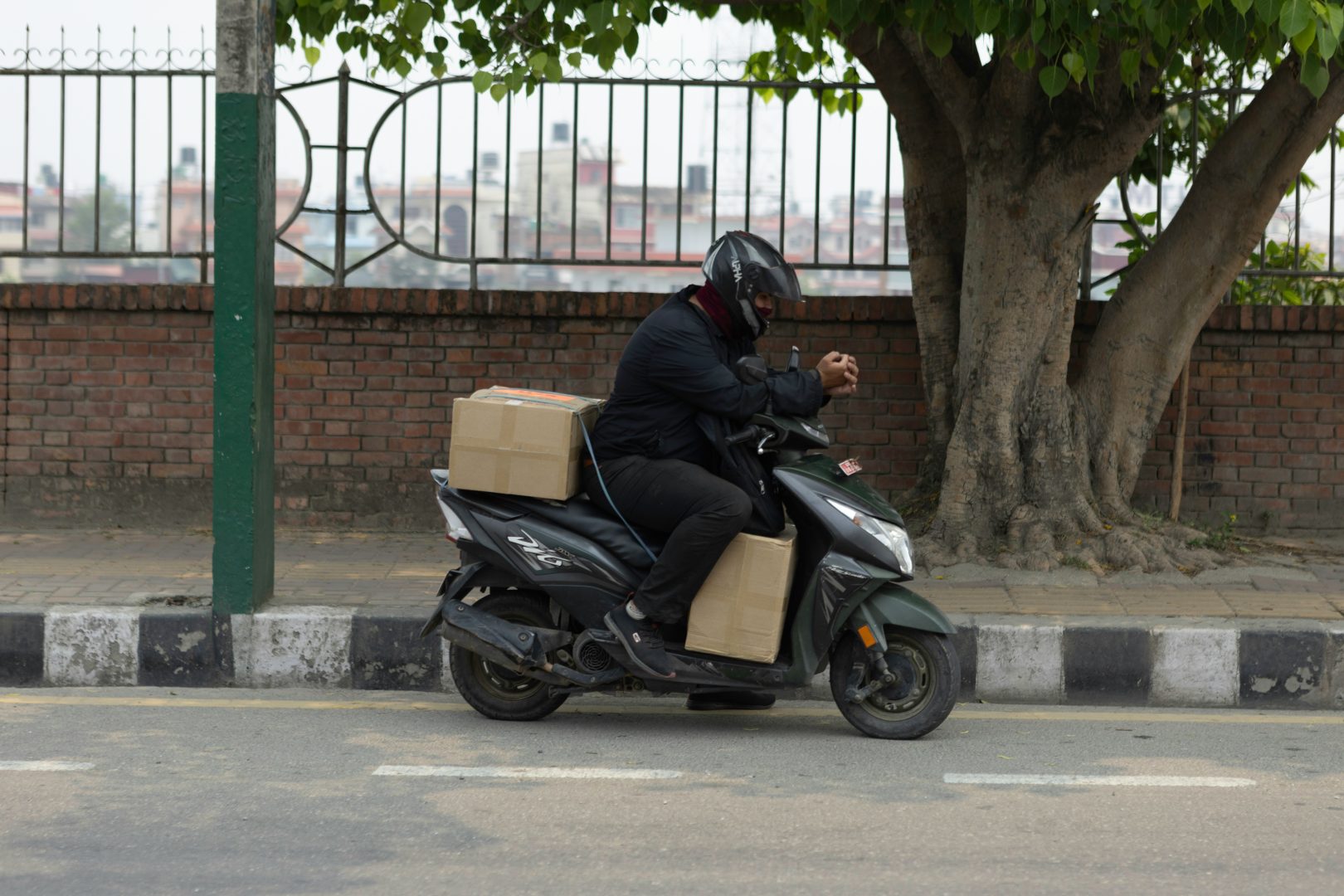
Growth in gig work is real, but it brings some problems with it. Many people are not working online by choice, but they are working for extra money to finance rising prices and as a backup for unstable market jobs. Most gig workers make high but unpredictable incomes. This comes with several disadvantages, such as non-fixed amounts, unpaid leave, and no health insurance.
Basically, gig work supports many homes, but the gig workers themselves have no personal support.
Adds to the Economy but Neglected
Seeing the wider context of gig work trends in the economy of Pakistan. The majority of youth are not looking for formal, stable jobs. They are generating their own income through freelance projects. This is not only supporting their families in this financial uncertainty but also bringing foreign remittances to Pakistan.
But there are many future insecurities connected to this safety net. What if the global need for online workers declines? Also, when there is no health or life insurance for these gig workers, what if they are not in a condition to work due to health problems?
Our government needs to understand the importance of gig workers in the economic contribution of the country. As gig work is not only a side income today, it has also become a major source of survival. Policy decision-makers and government authorities should develop a support structure for these gig workers or create more safety nets for families relying on gig work income.
If you want to submit your articles and/or research papers, please visit the Submissions page.
To stay updated with the latest jobs, CSS news, internships, scholarships, and current affairs articles, join our Community Forum!
The views and opinions expressed in this article/paper are the author’s own and do not necessarily reflect the editorial position of Paradigm Shift.

Mariam Jabeen is a researcher with an academic background in gender studies and a professional interest in governance, gender, and civic engagement. A gold medal graduate of Fatima Jinnah Women University, she has contributed to research on right-to-information assessments of district administration websites and an assessment of political parties' websites in Pakistan.