
Introduction
“Any form of harm or physical abuse on any living being, whether it is human or animal, must be equally reprehensible regardless of situation or gender.”
Sexual violence against children is often discussed through a gendered lens that primarily recognises girls as victims. Attention to this matter is necessary, but unintentionally, it has obscured another reality: boys being victims of sexual violence. Sexual violence is any form of harm or abuse against any living being, but unfortunately, society doesn’t consider or accept that boys can be victims of this abuse. Child protection awareness is growing, but abuse against boys is still not covered by the media. There are many reasons why this issue is underreported, including deep-rooted social expectations of masculinity that say that boys can’t cry or that boys cannot be victims.
According to reports, boys also suffer from gang rape and harassment at a similar percentage to that of girls. The issue is that boys do not expose their stories publicly because, from the day they are born, they are told that they are brave, they can’t cry, they are mentally strong, there is no room for emotions in them, etc. A brutal fact is that boys often don’t know how to cry, express their feelings, or tell someone, even their family or friends, when they’re feeling low, because if they do, they risk being mocked by their loved ones.
According to the reports of UNICEF, one in five boys worldwide suffers sexual violence before the age of 18. According to a report conducted in three different countries in the world, most incidents of sexual violence against boys happened in the perpetrators’ or victims’ homes in Haiti (60%), compared with outside the home in Kenya (65%) and Cambodia (52%). By failing to acknowledge boys as victims of abuse, society risks perpetuating trauma. It is necessary to highlight this issue to raise awareness among people about the incomplete justice system of the world, where a woman is seen as a victim, but if a man says that he has suffered from abuse, even if he brings evidence, he is not seen as a victim; he is laughed at, and society portrays him as non-masculine.
Causes of Sexual Violence Against Boys
The following are some of the major causes of increasing sexual violence against boys:
Societal Norms and Masculinity
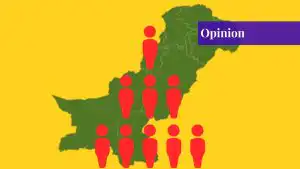
Research by ECPAT International on sexual exploitation of boys in Pakistan, carried out in 2021, notes that boys in Pakistan are subjected to harmful social and gender norms, which lead them to suppress their emotions and portray themselves as dominant. Especially in Pakistan, if a boy expresses his emotions, it becomes taboo for that family; parents scold him for behaving like a girl. In Pakistan, being emotional and expressive is categorised as female gender attributes, and being strong, harsh, and dominant is categorised as male attributes.
According to research by ECPAT International, a lack of education is another cause of the exploitation of boys. In Pakistani families, it is a common saying that boys enjoy more freedom than girls. But mostly, girls don’t know whether boys are enjoying it or being traumatised. In Pakistan, there is a lot of child labour, begging mafias, etc. Children working as labourers are often exploited, whether they are boys or girls. This exploitation is mostly done by their neighbours, owners, relatives, and even by their friends.
Our societal norms do not encourage children to be aware of sexual exploitation because saying the word “sex” is considered taboo, but doing such illicit activities and then being released from prison on bail is not considered taboo. Mostly in Pakistan, children learn about sexual exploitation from media and dramas, and from there they often get wrong information, or they interpret it wrongly because no one is there to educate them on this matter. Fathers assume that this is the responsibility of mothers, and mothers, being shy, don’t realise the importance of informing their children about these issues, and then often they get exploited.
Family and Community Silence
A major factor in the increase in sexual violence against boys is “silence.” This silence is due to many reasons, which include self-respect, masculinity, and sometimes poverty. Due to poverty, many families keep silent on this issue, as they know that the one who has committed this unbearable and unforgivable crime is from a powerful and wealthy family and has some connections with influential personalities. Sometimes, due to poverty, parents themselves sell their children into the hands of criminals; parents know that the person will exploit their children, yet they sell their children to fulfil their basic needs.
In 2010, the BBC conducted interviews with the victims and their families in Afghanistan, in which there was an anonymous 15-year-old victim who had been exploited for five years since his father died. When asked about this exploitation by his mother, she was more concerned about tomorrow’s meal rather than the situation of her son. She didn’t care about the emotions and trauma her minor son was going through.
The BBC reported another aspect of child exploitation in Afghanistan, which is “Bachebaze,” which literally means “playing with boys.” In this bazaar, grown adults force minor boys to wear women’s clothes and dance in public, humiliating them and making them easy prey for child predators. In Afghanistan, women are restricted from dancing in public, but boys are forced to dance wearing women’s jewellery and clothes. The BBC reporter, during the interview, asked to report on this issue, but the family denied it, saying our children are exploited by powerful families; if we file a case against them, they will make our lives miserable or even kill us.
The justice system of Afghanistan is only applicable to putting restrictions on women but not on these men who exploit boys for the sake of their so-called enjoyment. Unfortunately, bachebaze is still continuing in Afghanistan.
Institutional Gaps
A major cause of the increasing risks of sexual violence against boys is that many government officials deny the existence of this issue in society. Sometimes, the police officers themselves are involved in these crimes. Sexual violence in this case becomes not only a criminal act but also a violation of state responsibility. A UNICEF report on South Asia found that boys receive less legal protection than girls. There are many programmes and campaigns designed to counter sexual violence against women, but there are no such campaigns for boys; they are overlooked within protection frameworks.
Today, almost every home and every sector is like an individual island. The only difference is that Epstein’s files are on record, but this issue isn’t reported. Sexual exploitation of boys is not usually prioritised as an important child-protection issue, leading to poor implementation of policies. Therefore, the state’s ignorance supports social denial; as the system fails to recognise male victims, the rates of reporting decline even more.
Effects of Sexual Violence on Boys
Sexual violence against boys produces long-term consequences that are far beyond the incident of abuse. The following are the psychological, social and physical effects of sexual violence on boys:
Psychological Effects
Victims suffer from trauma and depression. Various feelings of shame and humiliation surround them. This leads to sudden behavioural changes in them, such as anger over small things. When abuse remains hidden for years, trauma becomes deep inside their heart, affecting emotional development.
Social Effects
Sexual violence disrupts trust in relationships. Mostly, the violence is carried out by loved ones, which is why victims don’t trust anyone. It becomes difficult to trust anybody because the one whom they loved and trusted exploited their integrity. They suffer from social isolation, have a fear of intimacy, and have problems maintaining healthy relationships due to a lack of trust.
Physical Health Effects
Sexual violence can also cause serious effects on health. Survivors often suffer from sexually transmitted infections (STIs), chronic pain, and other injuries. Additionally, prolonged psychological stress can also affect physical health, which includes sleep disorders, fatigue, a weakened immune system, and other issues related to mental and physical health.
Conclusion
Sexual violence against boys is one of the most overlooked forms of child abuse. This issue is hidden behind stigmas. There are legal frameworks for the protection of children’s rights, but there are still no clear laws related to sexual abuse against boys. In 2013, a movement named “menism” arrived in response to the third wave of feminism. It was actually a parody of feminism and was seen as a misogynistic movement, which is why it didn’t prevail. This is a fact of our society: feminism is still prevailing through CEDAW, Women’s Day, and other programmes, but menism is forgotten.
Many people don’t even know about this movement. To prevent this abuse, families must create a healthy environment at home. This generation is widely known as Gen Z. They openly discuss these issues with their siblings without any hesitation but are unable to discuss them with their families due to a generational gap. Gen Z is breaking many taboos, so they can also break the taboo of men being emotionless. We can assume that this generation will educate the next generation about these issues openly without any fear or shame. Addressing this issue is not only a matter of justice but also of moral responsibility.
“Society’s idea of masculinity says that if you speak up, you lose your manhood.”
A victim
If you want to submit your articles and/or research papers, please visit the Submissions page.
To stay updated with the latest jobs, CSS news, internships, scholarships, and current affairs articles, join our Community Forum!
Find our FREE quizzes and MCQs here!
The views and opinions expressed in this article/paper are the author’s own and do not necessarily reflect the editorial position of Paradigm Shift.

Syeda Farani Fatima is an undergraduate student of International Relations at the International Islamic University of Islamabad, with a strong interest in anti-corruption, counter-terrorism and geopolitics. Strongly committed to fighting corruption, terrorism, and supporting national reform through research and public service.