
International Islamic University Islamabad: An Overview
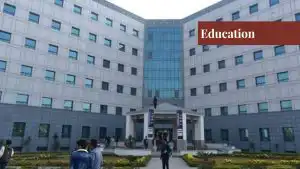
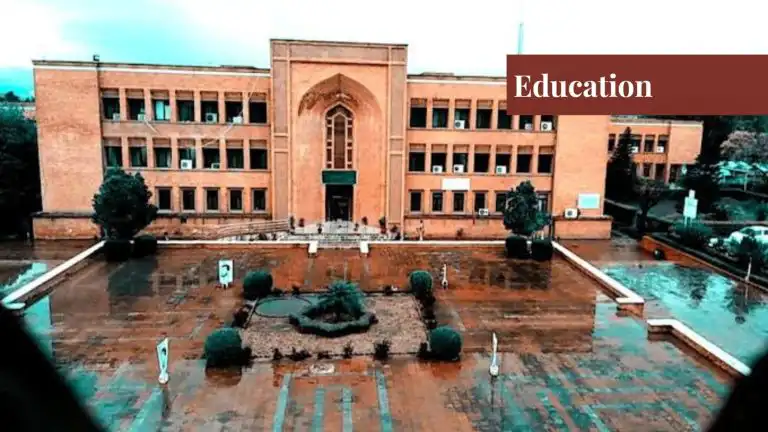
The International Islamic University Islamabad (IIUI) is one of the prominent public-sector universities of Pakistan, combining Islamic scholarship with contemporary academic disciplines. Established in 1980, the university was founded with the broader objective of developing an institution capable of addressing the intellectual, social, economic, and technological needs of the Muslim world.
Today, IIUI offers programs across fields ranging from Islamic Studies, Shariah and Law, Arabic and social sciences to computer science, engineering, management sciences and natural sciences. Its distinctive academic model seeks to bring Islamic perspectives into dialogue with modern education and research. The university has also developed an increasingly international academic profile. According to Times Higher Education’s 2026 data, IIUI has more than 24,500 students, with international students accounting for approximately 5% of its student population.
History of International Islamic University Islamabad
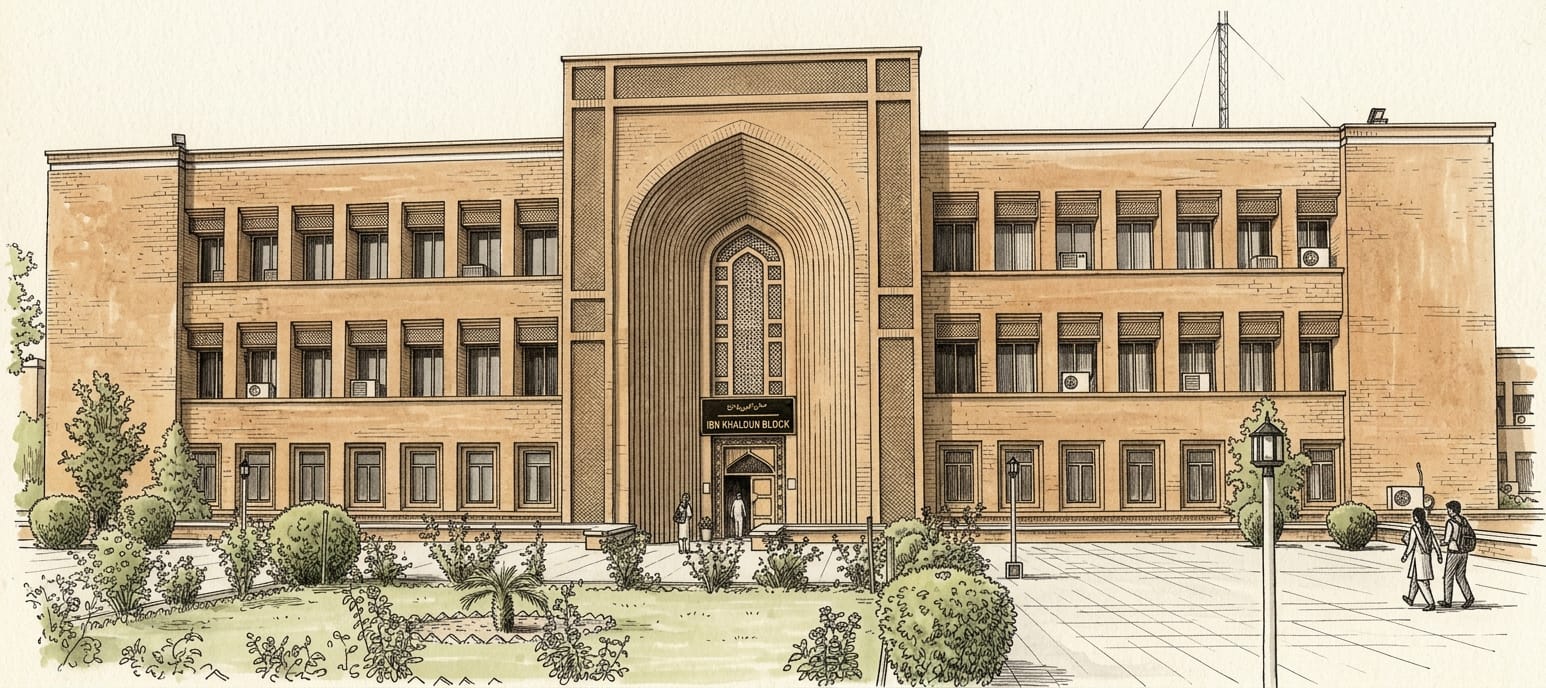
The foundation of the university was laid on November 11, 1980, corresponding to the beginning of the 15th century of the Islamic calendar. The institution was conceived as an international centre of Islamic learning that would combine Islamic values with contemporary knowledge. The university’s development was subsequently formalized through a restructuring in 1985. The Higher Education Commission (HEC) of Pakistan currently lists International Islamic University Islamabad as a recognized public-sector university located in Islamabad.
From its original emphasis on Islamic scholarship, IIUI gradually expanded into disciplines including social sciences, economics, management, computer science, engineering, natural sciences, education, and law. This expansion reflects one of the university’s central ambitions: to create an academic environment where traditional Islamic scholarship and modern disciplines can interact.
Where Is International Islamic University Islamabad Located?
IIUI’s main campus is located in Sector H-10, Islamabad, Pakistan, on approximately 704 acres. The university also has facilities associated with the Faisal Mosque complex, including several research and academic institutions. The university’s academic and administrative infrastructure includes separate campuses for male and female students, libraries, hostels, and other facilities. This campus structure is part of IIUI’s distinctive institutional model. The location also gives the university an unusual connection with one of Islamabad’s most recognizable landmarks, Faisal Mosque, where several IIUI-affiliated institutions and research centers are situated.
Faculties at IIUI
One of the major strengths of International Islamic University Islamabad is the breadth of its academic structure. The university currently lists faculties and academic areas including:
- Faculty of Arabic
- Faculty of Computing and Information Technology
- Faculty of Education
- Faculty of Engineering and Technology
- International Institute of Islamic Economics
- Faculty of Languages and Literature
- Faculty of Management Sciences
- Faculty of Sciences
- Faculty of Shariah and Law
- Faculty of Social Sciences
- Faculty of Usul-ud-din (Islamic Studies)
This diversity means that IIUI is not limited to Islamic Studies or religious education. Students can pursue degrees in areas such as computer science, engineering, economics, business, law, political science, history, psychology, mathematics, and the natural sciences.
Academic Programs at International Islamic University Islamabad
IIUI offers undergraduate, postgraduate, and doctoral-level education. Its computing and science programs, for example, include BS Computer Science, BS Software Engineering, MS Computer Science, MS Software Engineering, and PhD programs. The university also offers programs in mathematics, statistics, physics, environmental sciences, and biological sciences.
Its engineering programs include:
- BS Civil Engineering
- BS Electrical Engineering
- BS Mechanical Engineering
- MS Civil Engineering
- MS Electrical Engineering
- MS Mechanical Engineering
- MS Biomedical Engineering
- PhD programs in several engineering disciplines
The Faculty of Management Sciences similarly offers programs such as BBA, BS Accounting and Finance, BS Business Analytics, BS FinTech and E-Commerce, MBA, MS Management Sciences, and PhD Management Sciences. The Faculty of Shariah and Law offers programs including LLB, LLM, and PhD Law, with specializations such as international law, corporate law, international trade law, and human rights law. The eligibility criteria and other information about admissions for different programs in IIUI are given on the university website.
International Islamic University Islamabad for Social Sciences
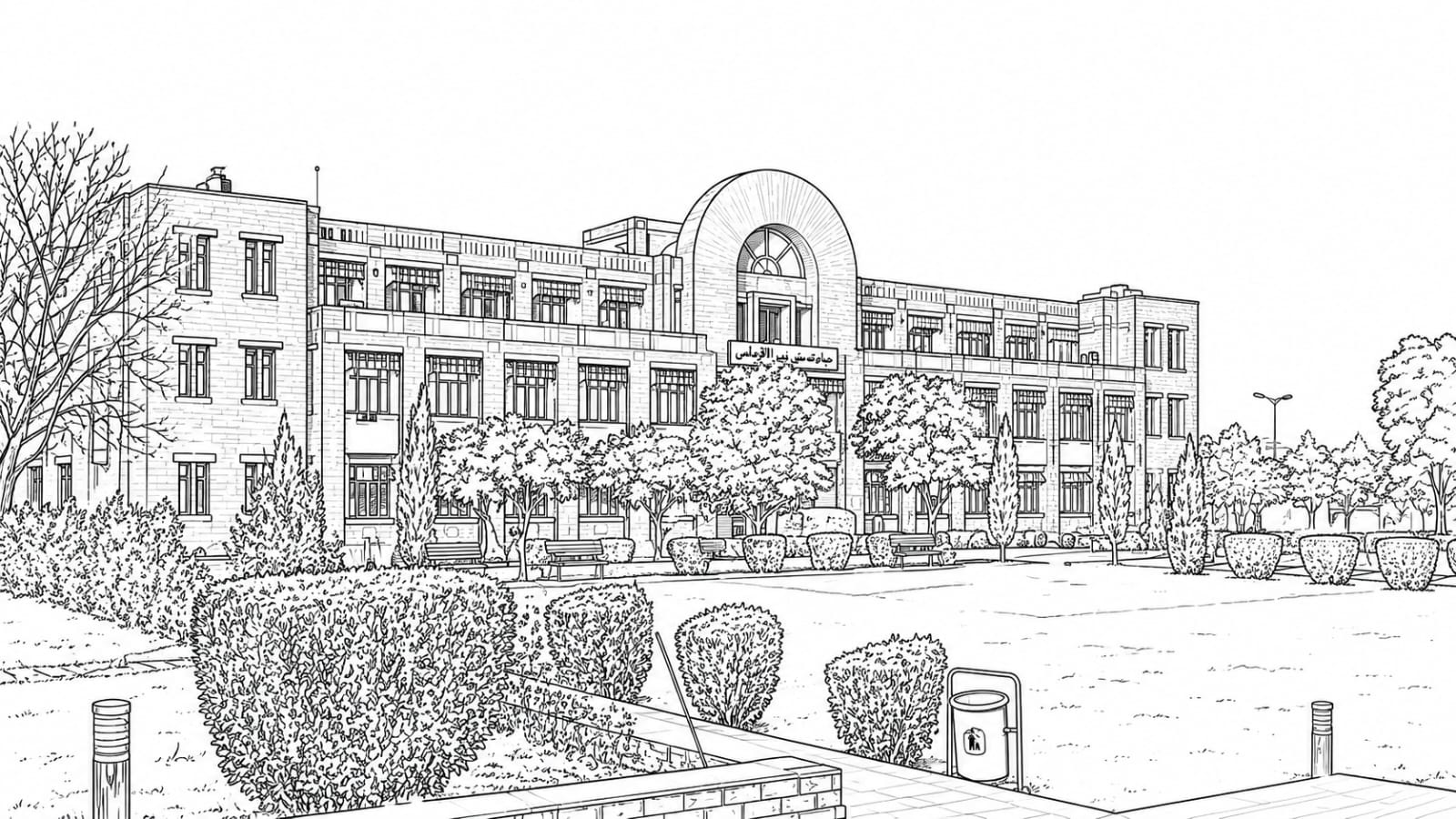
IIUI has a particularly broad social-sciences portfolio. The university offers education and research in areas such as political science, international relations, history, Pakistan studies, sociology, psychology, media and communication. The Department of History and Pakistan Studies, for example, offers BS, MS and PhD programs in History and Pakistan Studies. Its curriculum includes subjects such as Muslim history, world history, Pakistan’s political history, international relations, and research methodology. This makes IIUI an important institution for students interested in international relations, political science, history, Islamic civilization, and Pakistan studies.
Islamic Studies and Shariah: IIUI’s Distinctive Identity
What distinguishes IIUI from many conventional universities in Pakistan is its institutional emphasis on Islamic scholarship. The university was established with the objective of producing scholars and professionals who could combine contemporary expertise with an understanding of Islamic thought and values. The Faculty of Shariah and Law, in particular, attempts to connect Islamic legal traditions with contemporary legal questions. Its academic programs cover Shariah, Islamic law, and modern areas of legal study. This approach gives IIUI a distinctive position within Pakistan’s higher-education landscape.
International Islamic University Islamabad Ranking
University rankings provide one way of assessing IIUI’s international academic visibility, although rankings should not be treated as the sole measure of educational quality. According to Times Higher Education’s (THE) World University Rankings 2026, International Islamic University Islamabad is placed in the 801–1,000 band globally. THE also places IIUI in the 601–800 range for Business and Economics, Computer Science, Engineering and Physical Sciences, while Social Sciences are in the 801–1000 band.
IIUI has also reported progress in the QS World University Rankings 2026 by subject. It was placed in the 101–150 band for Theology, while Economics ranked in the551–700 band. Mathematics was placed in the 301–350 band, and Computer Science in the 751–850 band. The differing positions across ranking systems demonstrate why students should examine subject-level rankings alongside overall university rankings.
Research and International Outlook
Research is increasingly important to IIUI’s academic identity. The university has research centers and institutes working across Islamic studies, economics, technology, social sciences, and other disciplines. The University’s specialization in Islamic research is one of the major reasons behind its popularity among international students. Its international character is also reflected in its student body. THE’s 2026 data shows that international students make up approximately 5% of IIUI’s total student population, while the university itself describes its student population as coming from multiple countries. This international dimension is particularly relevant to IIUI’s original vision of becoming an institution serving not only Pakistan but the broader Muslim world.
Why Students Choose IIUI
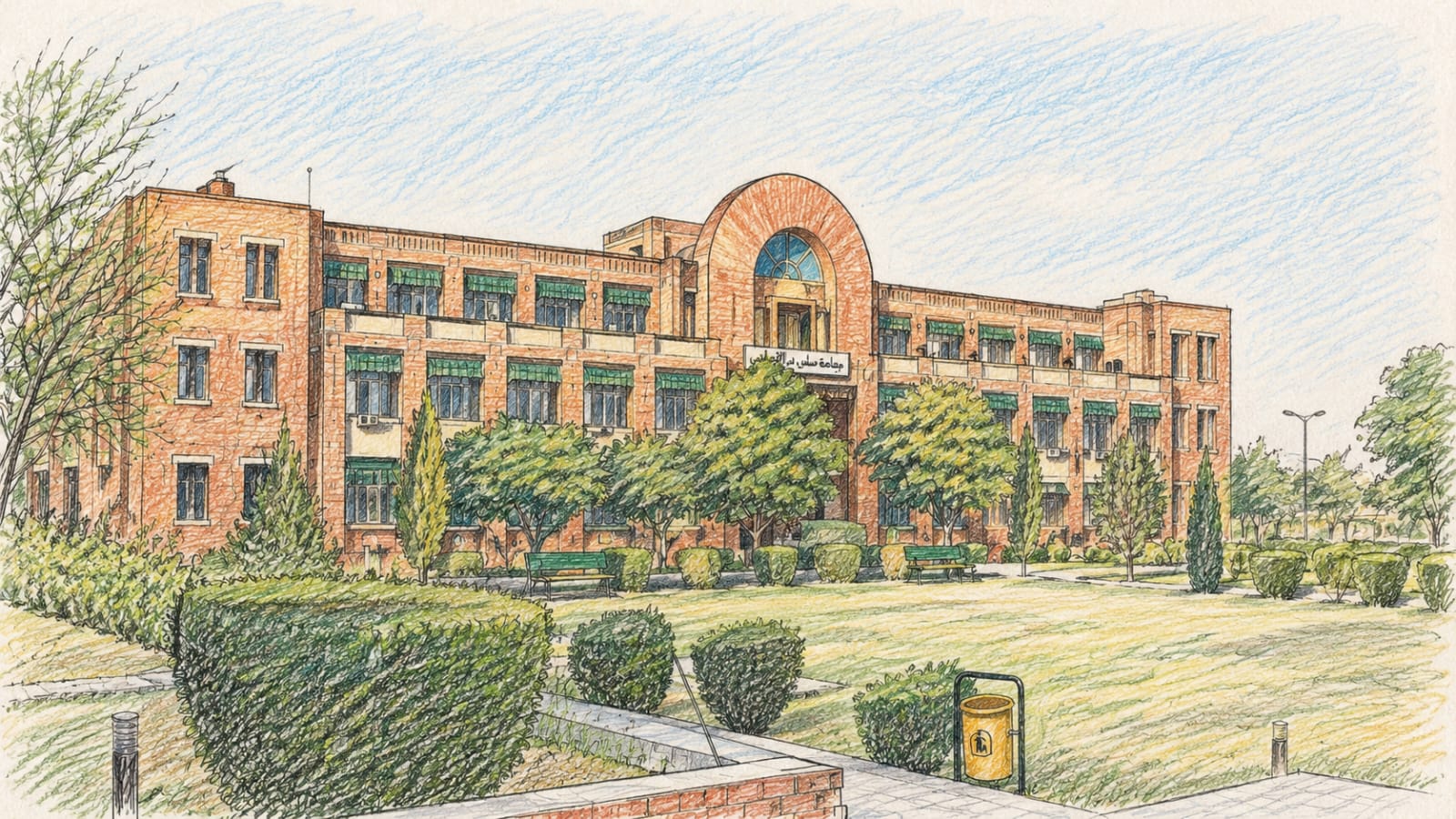
There are several reasons students may consider International Islamic University Islamabad. First, academic diversity. Students can study Islamic disciplines alongside contemporary fields such as computer science, engineering, economics, and social sciences. Second, its location. The university is situated in Islamabad, providing students access to Pakistan’s political, diplomatic, and administrative center.
Third, its Islamic academic identity. Students interested in Islamic thought, Shariah, Islamic economics, and related disciplines can find specialized programs that are less common at conventional universities. Fourth, international exposure. IIUI’s international student population and institutional orientation provide opportunities for interaction with students from different countries.
Challenges and Future Prospects
Like other large public universities, IIUI’s future development depends on its ability to strengthen academic quality, research output, institutional governance, and its connection with the employment market. Its expanding presence in international rankings suggests that the university has made progress in increasing its global academic visibility. At the same time, maintaining and improving that position will require sustained investment in research, faculty development, innovation, international collaboration, and graduate employability. The university’s challenge is therefore not simply to expand. It has to translate its distinctive Islamic academic identity into a competitive model of higher education that can contribute to both Pakistan and the wider international academic community.
Conclusion
The International Islamic University Islamabad occupies a distinctive position in Pakistan’s higher-education system. Since its establishment in 1980, it has developed from an institution centered primarily on Islamic scholarship into a broad-based university offering admissions in programs such as Islamic Studies, Shariah and Law, International Relations, social sciences, business, economics, computer science, engineering and natural sciences. Its combination of Islamic intellectual traditions, contemporary academic disciplines and international orientation makes IIUI different from many other Pakistani universities. However, its future significance will ultimately depend on how effectively it can change this distinctive identity into high-quality research, internationally competitive academic programs and graduates equipped to meet the demands of a rapidly changing world.
If you want to submit your articles and/or research papers, please visit the Submissions page.
To stay updated with the latest jobs, CSS news, internships, scholarships, and current affairs articles, join our Community Forum!
The views and opinions expressed in this article/paper are the author’s own and do not necessarily reflect the editorial position of Paradigm Shift.
Abdullah Nisar holds a degree in journalism and mass communication from the International Islamic University, Islamabad. He is currently working as a freelance journalist.