
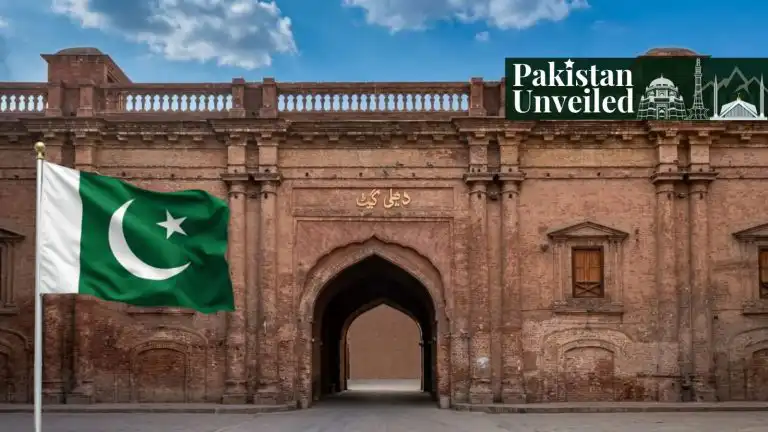
Quick Answer: What Is Delhi Gate in Lahore?
Delhi Gate is a historic gateway on the eastern side of the Walled City of Lahore, Pakistan, named after the old road that led to Delhi. First built during the reign of Mughal Emperor Akbar and rebuilt by the British in the 19th century, it is one of six surviving gates of old Lahore and the starting point of the Shahi Guzargah (Royal Trail), which leads past the Wazir Khan Mosque towards Lahore Fort.
As you move around Lahore’s walled city on its eastern side, you’ll soon come across the Delhi Gate, one of the few gates still existing out of the thirteen gates that existed here in the past. The gate was named thus because it opened onto a route heading towards Delhi. With a long history that has seen the rise of many dynasties, including the Mughals, Sikhs, and British, this gate offers visitors much more than history.
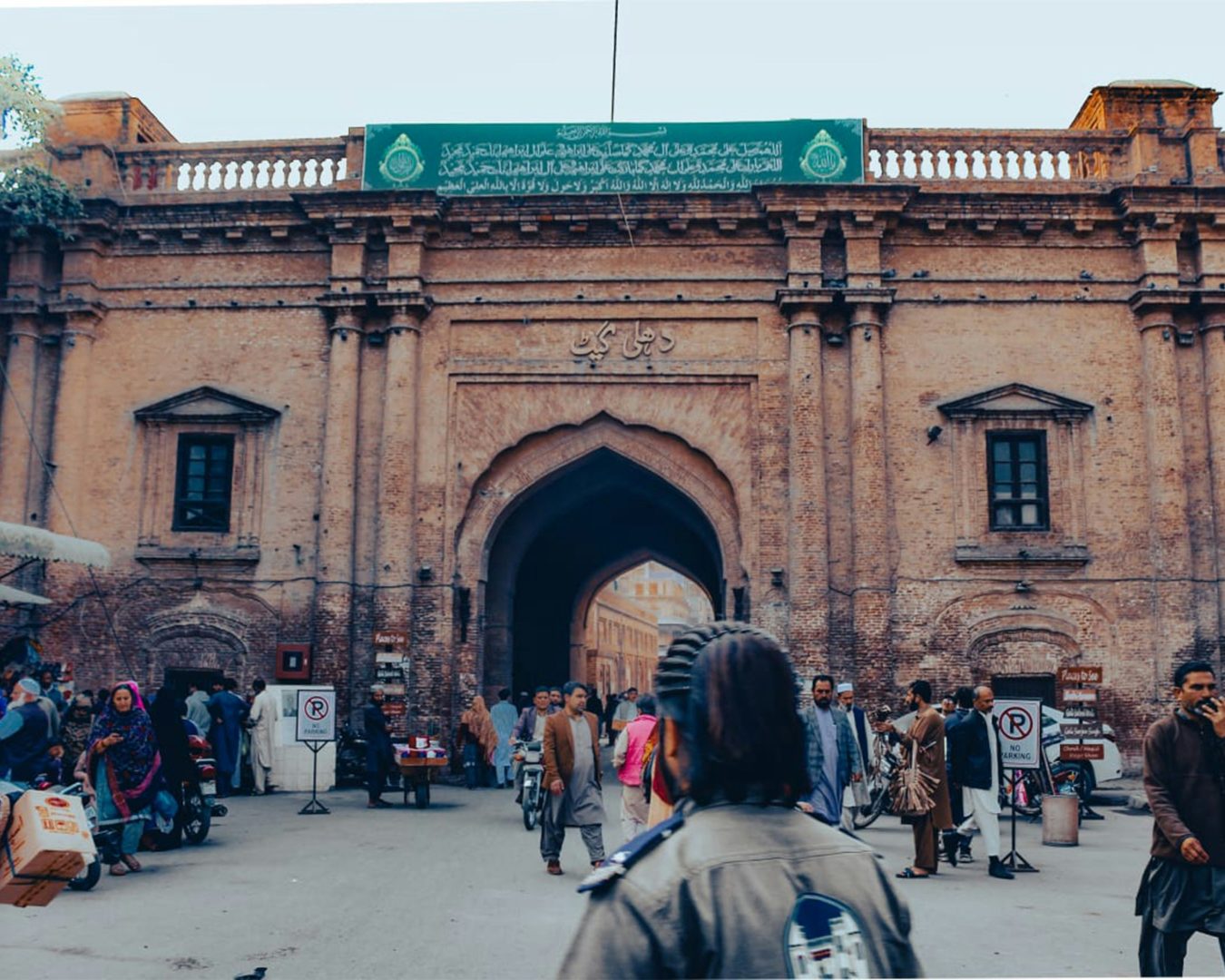
History of Delhi Gate
Delhi Gate’s history dates back to the era of Emperor Akbar in the 1500s, when the Lahore fortifications were enhanced by adding thirteen gates around the city, with a surrounding wall thirty feet high. The gate gets its name because it faces the road towards Delhi, which was then the capital of the Mughal Empire.
It is the gate’s alignment towards Delhi that made it one of the busiest gates to enter Lahore, as many traders, travellers, diplomats and royal officials used to pass through it; the area around it became very prosperous and developed into the main commercial centre, with markets, workshops and trade routes, where merchants from various parts would meet.
The fate of the gate changed with the start of the colonial era. After the Sepoy Mutiny of 1857, the British demolished much of Lahore’s original city wall and blocked almost all the gates for safety, except Roshnai Gate. The Delhi Gate itself was also demolished during that time, but it was reconstructed in the 19th century by the British. Since Pakistan’s independence in 1947, six of the thirteen gates, including Delhi Gate, still stand today.
Delhi Gate Timeline at a Glance
| Year | Event |
|---|---|
| 1584–1598 | Emperor Akbar rules from Lahore. The city is enclosed by a brick wall with 13 gates, including Delhi Gate, which faces the road to Delhi. |
| 1634–1641 | The Wazir Khan Mosque is built a short walk inside the gate by Hakim Ilmuddin Ansari (Wazir Khan), governor of Lahore under Shah Jahan. |
| 1635 | The Shahi Hammam, a royal public bath, is built beside Delhi Gate as part of Wazir Khan’s endowment. |
| 1849 | The British annex the Punjab and begin dismantling Lahore’s city wall. |
| After 1857 | Most of the wall is pulled down, and the gates are sealed, except Roshnai Gate. Delhi Gate is later rebuilt by the British. |
| 1947 | After Pakistan’s independence, the gate building houses a girls’ school. |
| 2012 | The Punjab government creates the Walled City of Lahore Authority (WCLA) and launches the Shahi Guzargah (Royal Trail) conservation project between Delhi Gate and the Wazir Khan Mosque. |
| 2014–2015 | Conservation of Delhi Gate was completed in 2014, and the restored Shahi Hammam opened to the public in 2015 after work by the WCLA and the Aga Khan Cultural Service–Pakistan. |
Architecture and Design
The Delhi Gate displays architectural excellence typical of Mughal-era construction. Made of strong bricks with decorative designs, this building features arches and excellent craftsmanship, showcasing the era’s architectural excellence. This building consists of two wings around the central gate and features load-bearing walls and vaulted roofs, with some areas still using the original wood beams and joists.
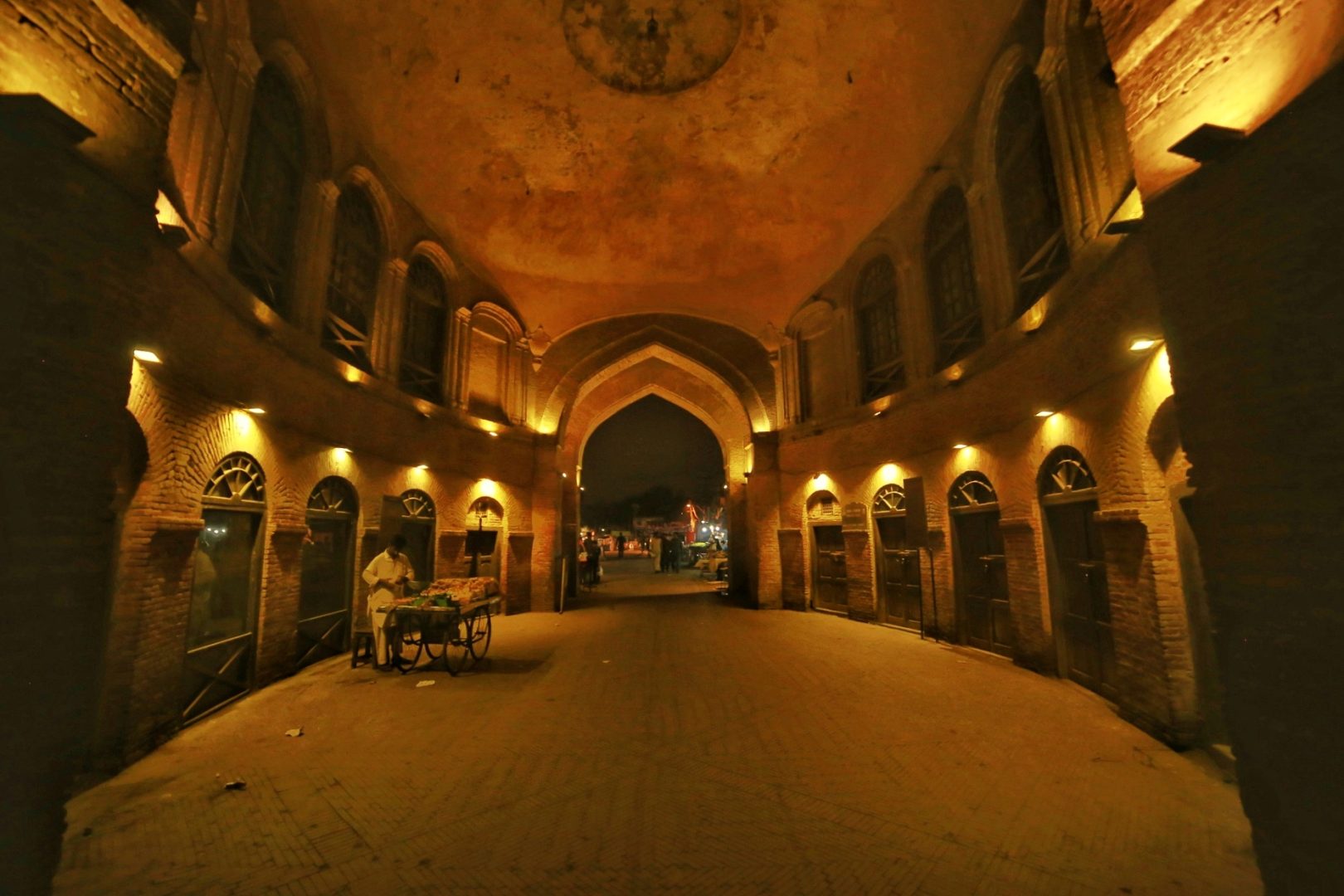
It consists of three floors, with the main part on the ground floor, which is elevated on an earthen platform. The Delhi Gate is unique as the largest gate in Lahore. Between 2012 and 2015, Delhi Gate and the Shahi Hammam were restored by the Walled City of Lahore Authority and the Aga Khan Cultural Service–Pakistan.
Things Around Delhi Gate
Wazir Khan Mosque
Located about 200 meters beyond the gate, the Wazir Khan Mosque is one of the landmarks that draws the most visitors in the Walled City. Constructed during the rule of Shah Jahan, the mosque is famous for its tilework and calligraphy, which rank among the best examples of Mughal decoration. Built between 1634 and 1641 by Hakim Ilmuddin Ansari, the governor of Lahore known as Wazir Khan, it has been on UNESCO’s Tentative List for World Heritage status since 1993.
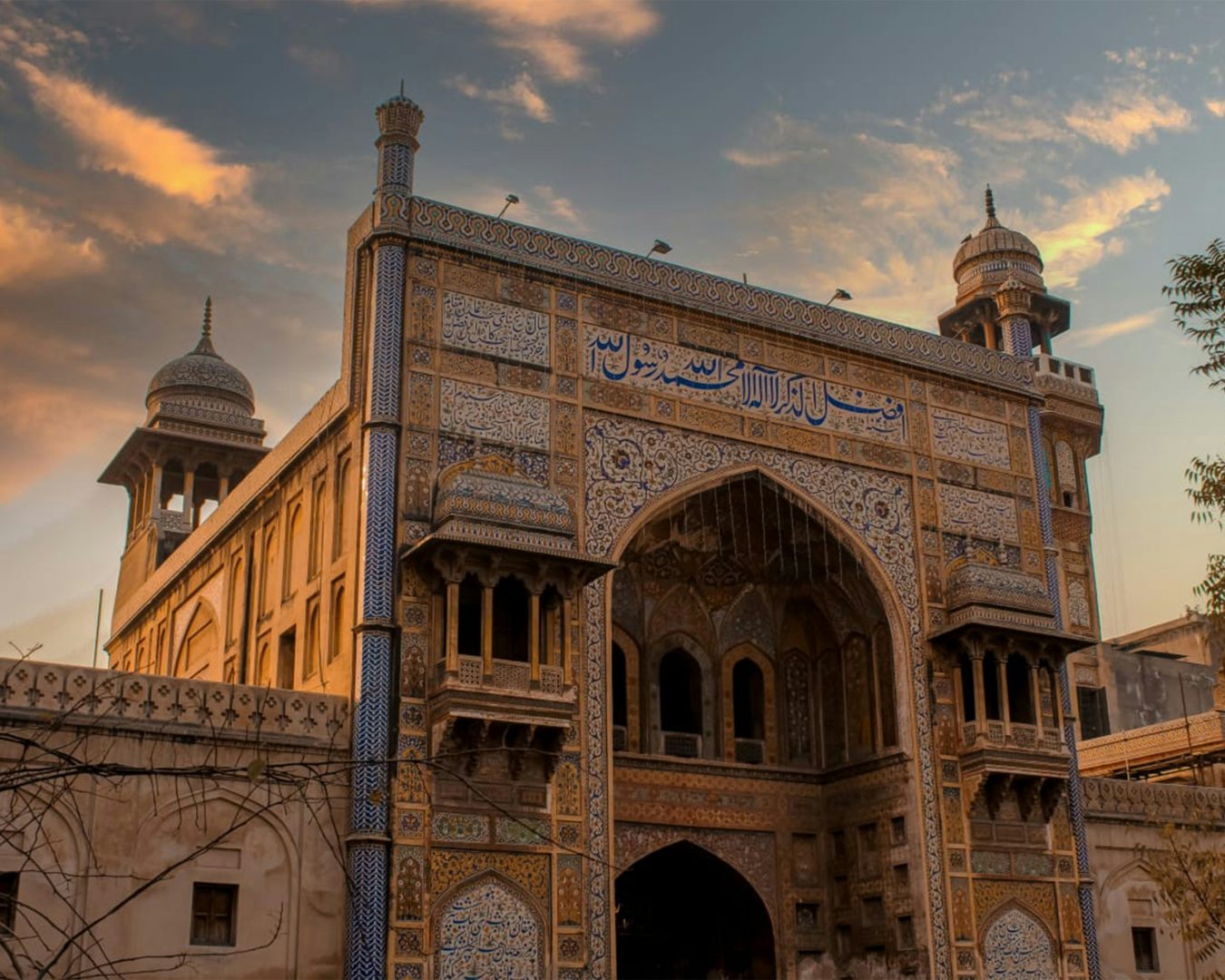
Shahi Hammam
This bathhouse, located next to the mosque, is the only surviving public bathhouse of the Mughal era. It was restored along with the gate in 2015. It was built in 1635 by Wazir Khan, the same governor who founded the mosque. Excavations during its conservation uncovered the bath’s original underfloor heating system, and historians believe part of the building was demolished when the British rebuilt Delhi Gate.
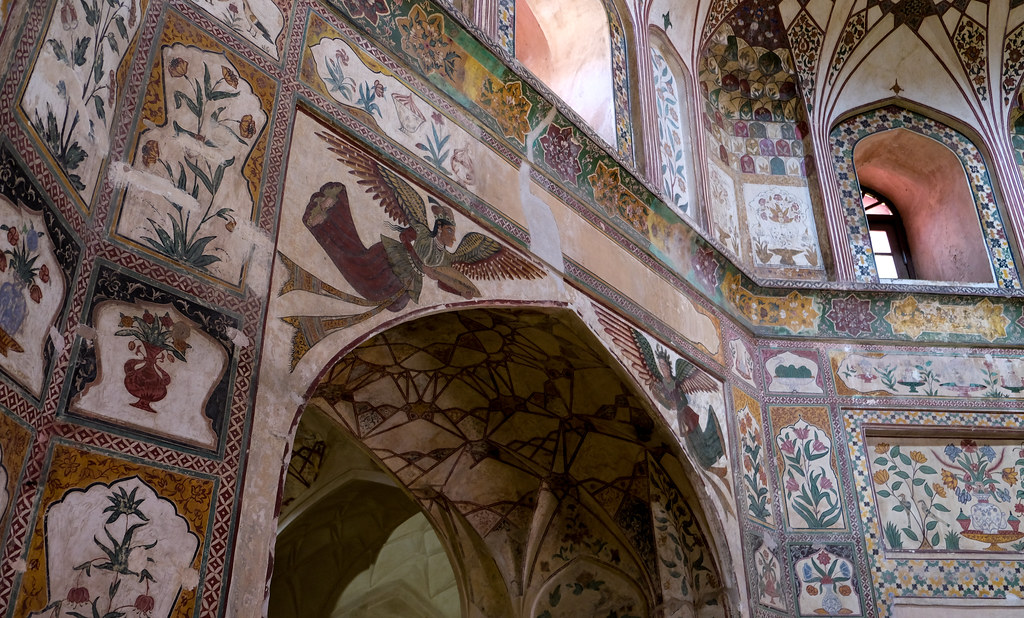
Delhi Gate Bazaar
By passing the gate, you enter a busy market full of traditional items, clothes, jewellery, and local food. Narrow streets and old buildings make you feel like you stepped back in time compared to modern Lahore.
Shahi Guzargah (Royal Trail)
Delhi Gate is the starting point of the Shahi Guzargah, the roughly 1.6 km route that Mughal royalty arriving from Delhi followed through the Walled City towards Lahore Fort. Restored in phases since 2012, with overhead wires moved underground and hundreds of façades repaired, it takes you past the Shahi Hammam, the Wazir Khan Mosque and the Sunehri (Golden) Mosque. It is the best way to see the old city on foot.
Lahore Fort and Badshahi Mosque
At the far end of the Royal Trail stands Lahore Fort, inscribed as a UNESCO World Heritage Site in 1981 together with the Shalamar Gardens. The Badshahi Mosque is right beside it, so you can end your walk at two of Lahore’s most famous monuments.

Facts About Delhi Gate
| Detail | Information |
|---|---|
| Built By | Emperor Akbar, late 1500s (c. 1584–1598) |
| Location | Eastern side of the Walled City, Lahore |
| Nearby Landmark | Wazir Khan Mosque (approx. 200m inside the gate) |
| Rebuilt | 19th century (British era), restored in 2015 |
| Restoration Partner | Aga Khan Cultural Service Pakistan |
| Nearby Gates | Yakki Gate (north), Akbari Gate (south) |
| Coordinates | 31.5822° N, 74.3264° E |
| Name Origin | Faces east, towards the old road to Delhi |
| Part Of | Walled City of Lahore; starting point of the Shahi Guzargah (Royal Trail) |
| Conservation Body | Walled City of Lahore Authority (WCLA) |
| Entry Fee | Free to walk through; the Shahi Hammam next door is ticketed |
| Best Time to Visit | October to March, ideally on a weekday morning |
| Time Needed | 2–3 hours for the gate, Shahi Hammam and Wazir Khan Mosque |
How to Visit Delhi Gate, Lahore
Where Is Delhi Gate Located?
Delhi Gate stands on the eastern edge of the Walled City of Lahore, on Circular Road, the ring road that encircles the old city. Yakki Gate lies to its north and Akbari Gate to its south. To find it on a map, search for “Delhi Gate, Walled City, Lahore” or enter the coordinates 31.5822° N, 74.3264° E.
How to Get to Delhi Gate
The simplest way is to take a ride-hailing car, taxi, or rickshaw and ask to be dropped at Delhi Gate on Circular Road. Lahore Junction railway station is a short rickshaw ride away. The streets inside the gate are narrow, and parking is very limited, so park outside the Walled City and walk in.
Opening Hours and Entry Fee
Delhi Gate is a working gateway, not a closed monument, so you can walk through it at any time without a ticket. The Shahi Hammam next door has fixed visiting hours and charges a small entry fee, with separate rates for local and foreign visitors. The Wazir Khan Mosque is an active place of worship, so plan your visit around prayer times. Check the Walled City of Lahore Authority’s website for current hours and prices before you go.
Best Time to Visit
The most comfortable months are October to March, when the weather is cooler. Summer temperatures in Lahore regularly climb above 40°C, which makes long walks through the bazaar tiring, and smog is common in November and December, so check the air-quality forecast. Weekday mornings are the quietest; Sundays are usually the busiest.
How Much Time Do You Need?
Allow two to three hours to see Delhi Gate, the Shahi Hammam and the Wazir Khan Mosque at an easy pace. If you want to follow the full Royal Trail to Lahore Fort and the Badshahi Mosque, set aside half a day.
Tips on Exploring Delhi Gate
Pair up Delhi Gate with Wazir Khan Mosque
As the mosque is located directly at the other end of the gate, it becomes easier to gain a complete picture of the area’s historical significance.
Visit the place during the daytime
The alleys and bazaar area are best visited when there is plenty of natural light.
Choose comfortable shoes
Most parts of the Walled City, including the Delhi Gate, have uneven roads and require a lot of walking.
Carry a camera
There are beautiful images that can be captured through the brickwork, arches, and surrounding old buildings.
Take your time when you visit the bazaar
You should spend some time exploring the market area instead of moving through it quickly.
Dress modestly and be respectful
The Walled City is a living neighbourhood, and the Wazir Khan Mosque is an active place of worship. Wear clothes that cover your shoulders and knees, carry a scarf to cover your head inside the mosque, remove your shoes before entering, and ask before photographing people.
Why Delhi Gate Still Matters Today
Delhi Gate is not just an artefact from the past. It is one of the most active gateways to the old city, a living part of Lahore’s current scene rather than a monument closed to the general public. This gate offers real insight into Mughal-era architecture and the restoration work undertaken during the colonial period for people interested in history, photography, and research. It is a very evocative place in Old Lahore for ordinary people.
FAQs
It was called Delhi Gate because it opened onto the road to Delhi, the capital of the Mughal Empire at the time.
Yes, Delhi Gate was among the original 13 gates constructed during Emperor Akbar’s fortification of Lahore in the late 1500s, and it is one of the 6 gates that remain standing today.
Wazir Khan Mosque, situated about 200 meters from the gate, is the nearest landmark, along with the nearby Shahi Hammam.
Yes, Delhi Gate and Shahi Hammam were restored between 2012 and 2015 by Aga Khan Cultural Service Pakistan.
Delhi Gate was first built during the reign of Mughal Emperor Akbar (1556–1605), when Lahore was enclosed by a brick wall with 13 gates. It was demolished in the colonial period and rebuilt by the British in the 19th century, and was most recently conserved by the Walled City of Lahore Authority.
Delhi Gate is on the eastern side of the Walled City of Lahore, on Circular Road, between Yakki Gate to the north and Akbari Gate to the south. Its coordinates are 31.5822° N, 74.3264° E, and the Wazir Khan Mosque is a short walk inside the gate.
No. Delhi Gate is an open, working gateway that anyone can walk through free of charge at any time. Nearby attractions such as the Shahi Hammam charge a small ticket fee, so check the Walled City of Lahore Authority for current prices.
Six of the 13 gates still stand today: Delhi Gate, Bhati Gate, Kashmiri Gate, Lohari Gate, Roshnai Gate and Shairanwala Gate. The others, such as Akbari, Mochi, Shah Alami and Taxali gates, have been lost, but their names live on in the bazaars and neighbourhoods around them.
The Shahi Guzargah, or Royal Trail, is a historic route of about 1.6 km that Mughal emperors and nobles used to travel from Delhi Gate towards Lahore Fort. Sections of it have been restored since 2012, and today it is the main walking route through the Walled City.
The best time to visit is between October and March, when temperatures are cooler, ideally on a weekday morning when the bazaar is less crowded, and the light is good for photography. Avoid summer afternoons and check air quality during the smog season in November and December.
Sources and Further Reading
- Walled City of Lahore Authority: Official website
- Aga Khan Development Network: Walled City of Lahore conservation programme
- Department of Archaeology and Museums, Pakistan: Delhi Gate site record
- UNESCO World Heritage Centre: Pakistan: World Heritage and Tentative List sites
- The Express Tribune (2014): Restoration of Delhi Gate completed
- The Express Tribune (2015): Shahi Hammam opens for public
If you want to submit your articles and/or research papers, please visit the Submissions page.
To stay updated with the latest jobs, CSS news, internships, scholarships, and current affairs articles, join our Community Forum!
Find our FREE quizzes and MCQs here!

Paradigm Shift is an official staff account.